Tendai Keith Guvamombe
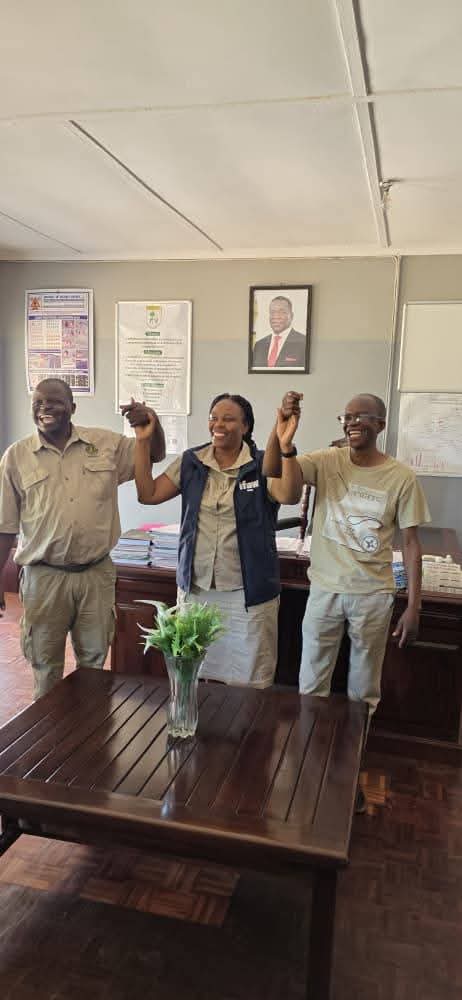
IFAW (International Fund for Animal Welfare) and ZimParks are engaged in a major, long-term partnership to safeguard the Greater Hwange Ecosystem, focusing on four core areas: wildlife protection, habitat management, tourism development, and community empowerment.
This collaboration is anchored by a landmark 25-year agreement signed in 2023, representing a committed investment of US$50 million.
Key Conservation Work in Greater Hwange
- Strengthening Wildlife Protection
The partnership prioritizes law enforcement capacity to combat poaching and illegal wildlife trade. Key activities include:
- Infrastructure: Upgrading and constructing high-security ranger stations (like Makona Camp) and patrol posts.
- Equipment: Supplying rangers with essential equipment, vehicles, and improving mobility.
- Technology: Implementing smart-camera technology at checkpoints and building the Hwange National Park one-stop access pavilion to enhance security and visitor processing.
- Animal Health: Equipping the Veterinary Field Laboratory at Mtshibi Camp for local animal rescue, treatment, and disease testing.
Habitat Management and Connectivity
Aligned with IFAW’s “Room to Roam” vision, which seeks to secure and connect critical landscapes for elephants and other wildlife, efforts are focused on:
- Water Management: Tackling the long-standing water crisis by scooping critical waterholes like Nyamandlovu Pan to increase water volume and resilience against climate change.
- Infrastructure: Rehabilitating key park roads, such as the 90km route linking Main Camp and Makona.
Community Coexistence and Livelihoods
The partnership recognizes that the future of conservation relies on the well-being and involvement of local people. This pillar is critical in buffer areas like Tsholotsho RDC, as demonstrated by the recent MOU. Activities include:
- Human-Wildlife Conflict (HWC) Mitigation: Installing predator-proof bomas and launching HWC awareness campaigns in high-risk wards to promote safer communities.
- Water Provision: The “Water is Life” project installs solar-powered boreholes in Tsholotsho and Hwange villages, providing clean water for domestic use and livestock, thereby reducing the need for people and animals to compete for water resources within the park.
- Livelihoods: Supporting community nutritional gardens near borehole sites to enhance food security and promote sustainable livelihoods that do not exploit wildlife.
Tourism Development
To transform Hwange into a major economic engine, the partnership invests in enhancing the visitor experience:
Access: Building state-of-the-art entry points to enhance the image and functionality of the park.
By focusing on these interlinked areas, IFAW and ZimParks are working to ensure a resilient ecosystem where wildlife can thrive and local communities benefit directly from the conservation economy.
Facilities: Refurbishing guest accommodation lodges and upgrading tourist sites like the Mandabvu picnic site.