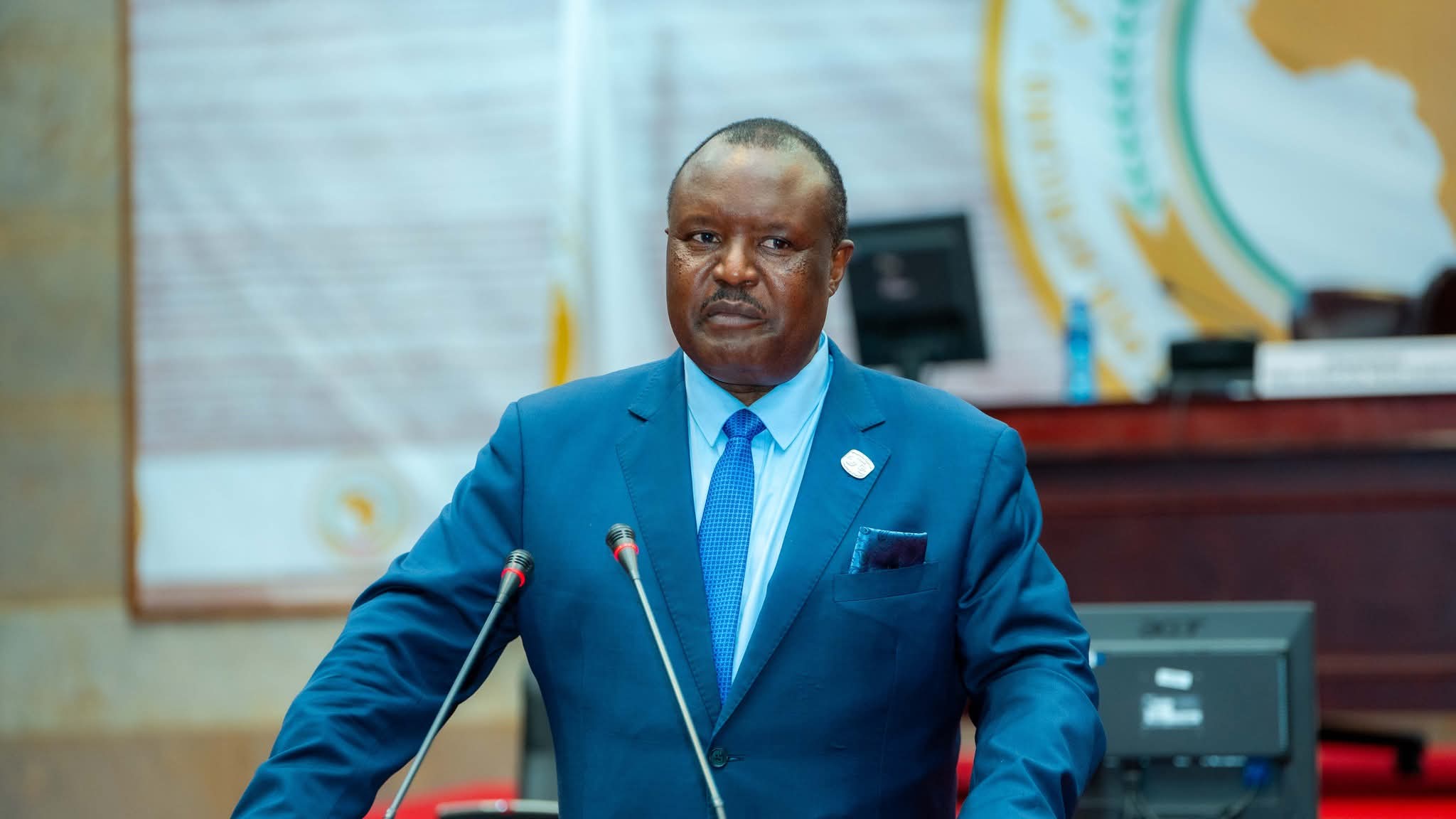

Tendai Keith Guvamombe
The Labour Economists and Afrikan Democrats (LEAD) has issued a fierce condemnation of the Government’s decision to introduce a 15% withholding tax on international digital services, set to be effective from 1 January 2026.
This tax will apply to popular platforms such as Netflix, Spotify, YouTube Premium, e-learning services, and essential cloud-based digital tools.
LEAD President Linda Tsungirirai Masarira states unequivocally that this move is not reform but a regressive, anti-poor policy that punishes ordinary Zimbabweans.
The party argues that the tax will inevitably fall on citizens, not corporations, targeting the very groups that rely on digital access for advancement.
These groups include students using e-learning platforms, young people relying on digital entertainment, content creators using cloud tools, small businesses using digital marketplaces, and tech professionals requiring global services.
According to the party, the Government is moving backwards in the digital economy.
“While other nations are lowering the cost of data and expanding digital access, Zimbabwe is increasing taxes on digital services, maintaining some of the highest data costs in Africa, undermining digital innovation, and limiting digital literacy.”
LEAD sharply criticised the Government’s misplaced priorities, noting that the new tax will burden citizens already struggling under high IMTT, VAT, fuel taxes, and various levies.
This, they argue, is while the Government “fails to provide clean water, dignified salaries, free basic healthcare, adequate education funding, or curb corruption.”
The LEAD position is clear: this tax must be scrapped. The party calls for a people-centred economy that prioritizes affordable data, global information access, digital education, innovation, youth empowerment, and transparent taxation.
“This tax is anti-poor and must be withdrawn immediately,” the statement concludes. LEAD calls on Parliament, civil society, youth movements, tech communities, and all citizens to resist this unfair tax and demand genuine, people-centred economic reforms.