Tendai Keith Guvamombe
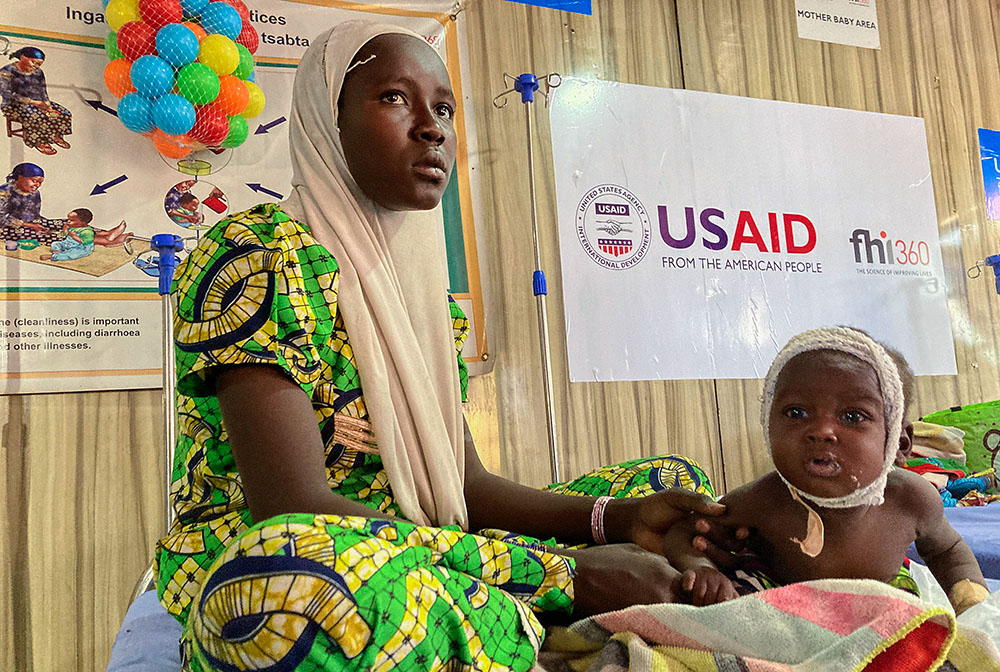
The U.S. government’s January 2025 decision to dismantle USAID and freeze foreign aid to Africa has triggered an intense debate over America’s economic benefit, juxtaposing immediate budget savings against strategic long-term costs.
While the U.S. secured an immediate, tangible benefit in budgetary savings from terminated contracts (estimated in the range of $60–69 billion), the long-term economic outlook suggests this fiscal gain could be offset by significant geopolitical and market losses.
The Staggering Cost to Africa
The most immediate, and potentially most damaging, impact is on the African continent, where the U.S. was a major donor, supplying approximately 26% of all foreign aid. The freeze is projected to reduce total aid to Africa by 20%.
Modeling from the Institute for Security Studies (ISS) forecasts severe consequences for the recipient nations:
Innovation Shortfall: Crucial funding for development and entrepreneurship has vanished, leaving a reported $100 million funding shortfall in Kenya’s startup ecosystem alone.
Ceding Influence and Market Share
For the U.S., the long-term risk lies in ceding strategic influence. By withdrawing aid, the U.S. effectively steps back from development and security partnerships, creating a vacuum that major competitors—notably China—are eager to fill through infrastructure projects and trade deals.
The failure of African economies to grow due to the aid cut will weaken their ability to purchase goods and services from the U.S., damaging the long-term goal of pivoting from “aid to trade.”
Ultimately, while the U.S. secured an immediate, politically popular fiscal saving—cutting a program that constituted a small fraction of the federal budget (historically around 1.2% of total federal outlays) and easing the taxpayer burden—economists caution that the price will be paid later through diminished geopolitical influence, increased global health risks, and the loss of future export markets to rival powers.