
Staff Correspondent
The year 2000 is when Netherlands officially became the first nation in the world to legalize same-sex marriage. This move did not just change Dutch law; it set off a worldwide domino effect that continues to reshape the legal and social landscape of the 21st century.
The journey reached its climax in December 2000, when the Dutch Parliament moved to vote on a revolutionary bill. In a resounding show of support for equality, the legislation passed by a decisive three-to-one margin.
While the world watched with a mix of awe and controversy, the Dutch government sent a clear message: love and legal protections should not be determined by gender.
For the first time globally, same-sex couples were granted the identical rights as heterosexual couples, including the right to marry, divorce, and adopt children.
By granting adoption rights, the Netherlands acknowledged that the stability of a home was defined by care and commitment rather than the traditional nuclear family structure.
The law officially took effect on April 1, 2001. At the stroke of midnight, the Mayor of Amsterdam, Job Cohen, married four couples—three male and one female—in a ceremony that made international headlines.
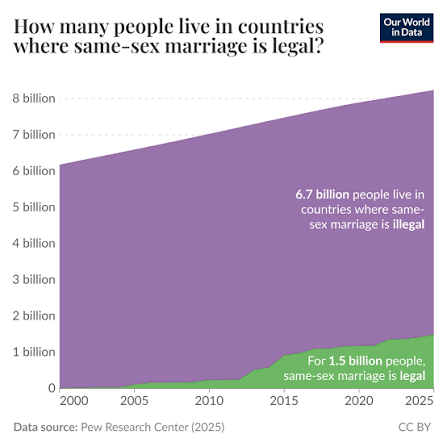
Since that historic December in 2000, dozens of nations across Europe, the Americas, and parts of Asia and Africa have followed the Dutch example.
The Netherlands proved that society would not collapse under the weight of expanded civil rights, but rather grow more inclusive.
Today, the Dutch model remains the gold standard for marriage equality activists worldwide, proving that legislative courage can indeed change the world.