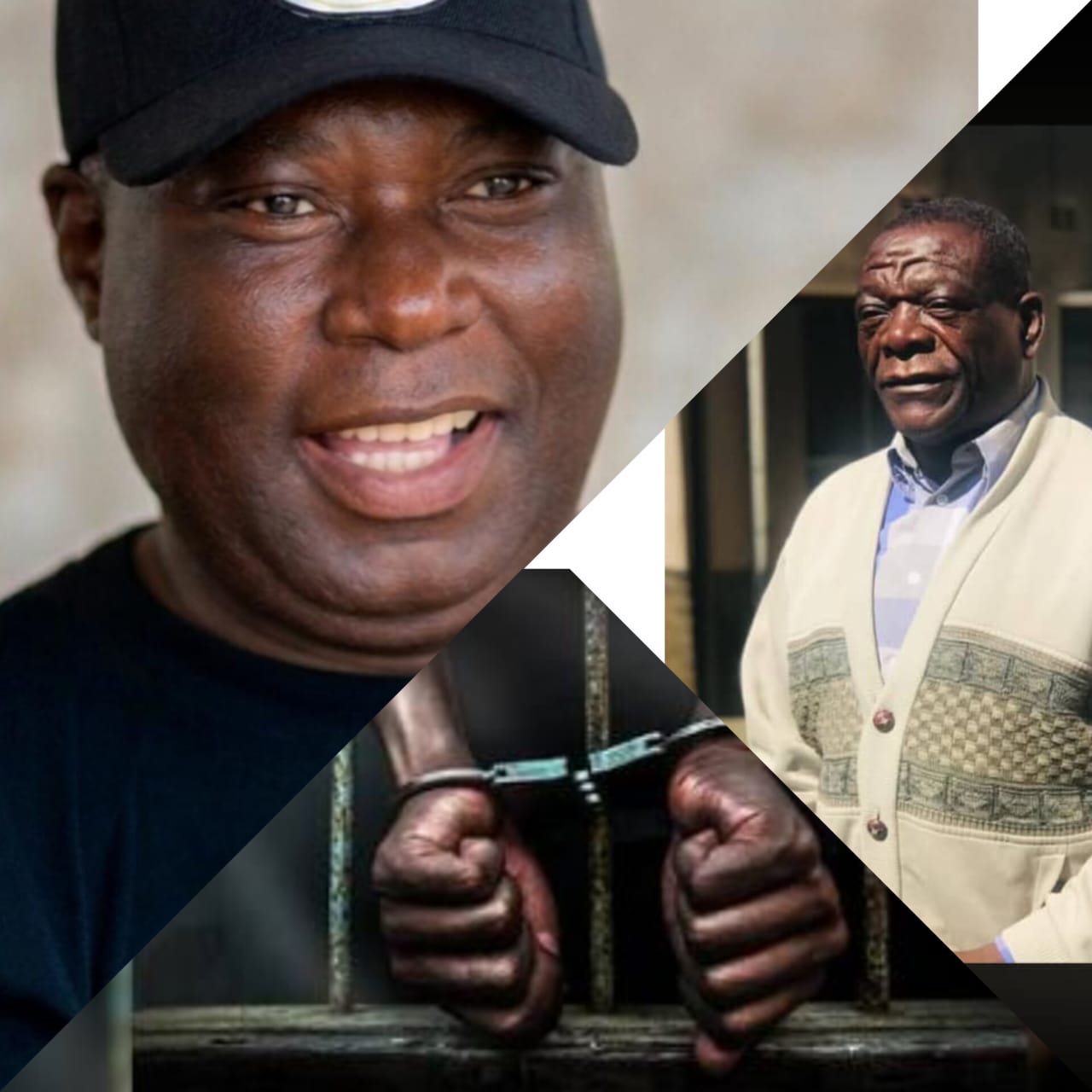

HARARE – Dr. Abigail Mupambi, a prominent Human Rights Defender, has ignited a fervent public debate by directly challenging the Parliament of Zimbabwe on its legislative framework, asserting that current laws are actively undermining the basic rights of citizens, particularly in the context of ongoing demolitions.
In a scathing post on her X (formerly Twitter) account, Dr. Mupambi implored Parliament to “closely look at your Laws which have regularly opened up raw attacks on the basic rights of citizens.” She highlighted the stark injustice where “innocent citizens [are] rendered homeless and poor overnight whilst those in positions are protected by the very same laws.”
Dr. Mupambi passionately argued for the essence of “Good Laws,” stating they “must protect the rights of citizens, holding both individuals and Institutions accountable. Good laws must stabilize society and stand in for the weak not siding with the elites or those carrying the whip.”
Drawing a poignant historical parallel, she reminded her followers of the colonial era under Smith, where “they were carrying a whip called the law,” leading to the masses rising in the 1st and 2nd Chimurenga because the law “proved to be a Bad Law: Not just and fair.”
The human rights advocate’s critique directly targets the ongoing demolitions, questioning the absence of accountability for “council and Government officials” and “elite ‘Land Barons'” while ordinary citizens face “barbaric attacks.” She concluded with a piercing rhetorical question: “Where is the Law? If any! Do we have a Good Law!”
The post, which tagged various government ministries, political parties, and media outlets, has sparked widespread discussion on social media, reflecting growing public concern over housing rights, land distribution, and the perceived selective application of the law. Zimbabwe has a history of controversial demolitions, with critics frequently pointing to the lack of adequate notice, alternative housing, and due process, often impacting vulnerable populations.
The calls from Dr. Mupambi underscore the urgent need for a review of legislative provisions to ensure they uphold constitutional rights and foster a society where the law serves to protect all citizens, not just a privileged few. As the debate intensifies, eyes will be on Parliament to see how it responds to this direct challenge on its role in safeguarding human rights.