By Tendai Guvamombe
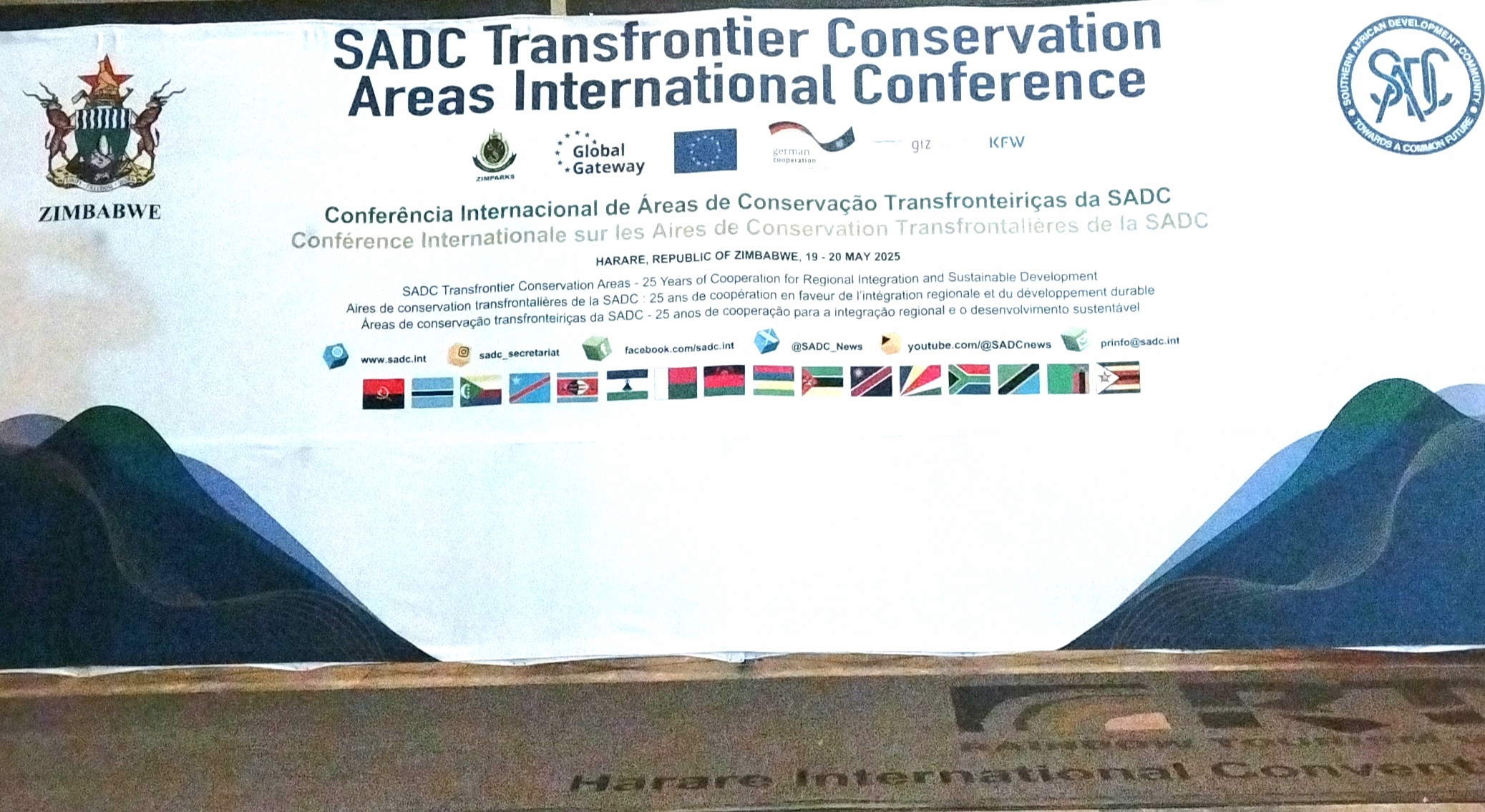
The main goals of the SADC Transfrontier Conservation Areas (TFCAs) include:
1. Preservation of Ecosystems:
TFCAs aim to recognize and preserve the natural flow of ecosystems that do not adhere to political boundaries. This involves maintaining vast connected landscapes to support wildlife migration and biodiversity.
2. Collaboration Among Countries:
The initiative emphasizes the importance of collaboration between countries to create resilient ecosystems capable of withstanding pressures such as climate change, poaching, and habitat destruction.
3. Sustainable Economic Opportunities: TFCAs are designed to generate sustainable economic opportunities for local communities through ecotourism, sustainable agriculture, and community-driven conservation projects. This approach aims to provide jobs, boost local economies, and reduce poverty.
4. Improving Livelihoods: A critical aspect of the TFCAs is to ensure that conservation efforts also improve the livelihoods of communities living near these areas. When communities see tangible benefits from conservation, they are more likely to engage in and support these efforts.
Overall, the TFCAs represent a holistic approach to conservation that integrates environmental sustainability with socio-economic development.