A House Divided: Musindo Challenges the “Clerical Monopoly” on Constitutional Debate Beyond the Eurocentric Lens of Church Leadership
By Staff Correspondent
The Gospel of Neutrality: Why the Church Must Step Back from the Political Precipice
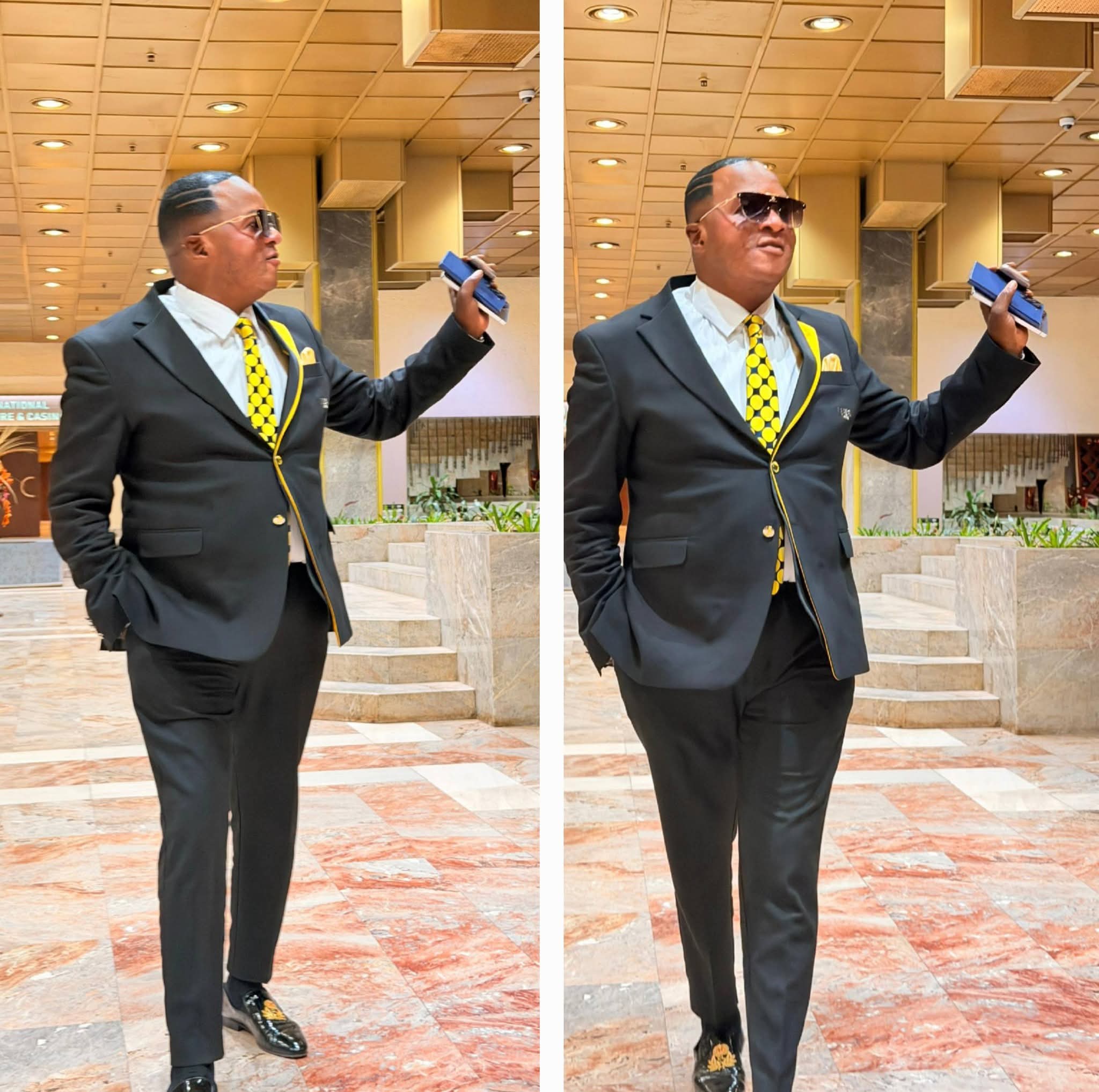
In the high-stakes theater of Zimbabwean constitutional reform, a new voice of reason has emerged to challenge the traditional clerical status quo. Reverend Dr. Musindo, the visionary Founder and President of Destiny for Africa Network (DANet), has issued a masterful masterclass in diplomatic theology, urging a pivot toward inclusive dialogue rather than reactionary opposition regarding Constitutional Amendment Bill Number 3.
As the nation navigates this pivotal legislative evolution, the traditional “big three”—the Zimbabwe Council of Churches (ZCC), the Evangelical Fellowship of Zimbabwe (EFZ), and Zimbabwe Catholic Bishops’ Conference —found themselves in the spotlight for issuing a swift rejection of the bill.
However, Dr. Musindo’s intervention suggests that their script may be missing the most important characters: the people in the pews.
“I want to give an advice to Christian Heads of Denominations; I want to encourage those who issued a statement against the Constitutional Amendment Number 3,” Dr. Musindo stated with the measured tone of a seasoned statesman.
“To be honest with you, it’s not easy or possible to issue out a statement purporting to be representing various Christian denominations, especially on critical national issues, without doing a wider consultation of all stakeholders in the Christian sectors.”
The brilliance of Musindo’s position lies in its recognition of the modern Zimbabwean reality. He correctly identifies that the church is not a monolith; rather, it is a vibrant tapestry where many members are actually “on the forefront of pushing the amendment.”
By jumping to a conclusive rejection, some Christian leaders risk creating an unnecessary dissonance between the pulpit and the congregants who see the pragmatic benefits of the bill.
Musindo’s advisory is less a rebuke and more an invitation to maturity.
He highlights the “open door policy” of President Emmerson Mnangagwa and ZANU-PF as a golden opportunity for the church to act as a sophisticated mediator rather than a partisan adversary.
“We need to avoid conflicts between some churches and the ruling party. We need to avoid animosity,” he noted, suggesting that the path to influence lies in engagement, not isolation.
Perhaps his most compelling argument is the deconstruction of the “Eurocentric criteria” that often dictates which church voices are heard.
By championing the inclusion of influential indigenous leaders like Bishop Mutendi, Emmanuel Makandiwa, and Uebert Angel, as well as the massive Apostolic and Zion followings of Baba Moze and Madzibaba Israel, Musindo is advocating for a truly democratic “Gospel of Neutrality.”
“In my view, leaders are supposed to be neutral on this matter. Then they intercede for the nation. They advise both sides; they should give prophetic wisdom,” he concluded.
By steering the clergy away from “political activists seeking relevance,” Dr. Musindo is protecting the sanctity of the church.
In a nation where both the ruling party and the opposition share the same pews, the only divine path forward is to “speak peace” and allow the legal process to evolve for the greater good of all Zimbabweans.