

By Tendai Keith Guvamombe
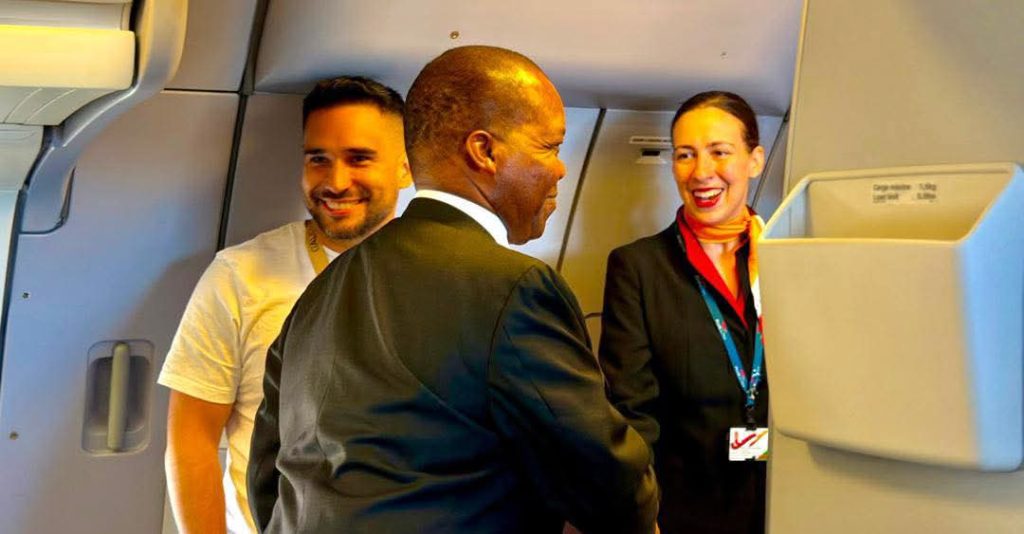
When the Air Zimbabwe Airbus A330-300 touched down at Robert Gabriel Mugabe International Airport, the landing was met with jovial celebrations. This widespread jubilation vividly reflected public acceptance and positive perception.
Is the timing right? Yes, this came at a crucial equilibrium, perfectly aligned with a most appealing phase of national development.

The introduction of the Airbus A330-300 marks the beginning of a powerful new journey for Zimbabwe. One may think of horticultural products reaching European markets on reliable and constant schedules. The move evenly earmarks influx of tourists arrivals.
Airbus A330-300 Specifications
Looking at the specifications, no comparably sized aircraft matches the Air Zimbabwe A330-300 in cost-efficiency and profitability, offering significantly lower total operating costs per seat than its nearest competitor.
The A330-300 provides the versatility to cover all route segments—from short-haul trips to true long-range distances of up to 6,350 nautical miles—allowing passengers to enjoy a comfortable, quiet cabin environment.
Available enhancements include airframe weight reductions, modern passenger cabin features, system and engine upgrades, and advanced cockpit navigation systems. These improvements also result in longer intervals between scheduled maintenance checks.
Environmental Sustainability and Carbon Footprint

The standard Airbus A330-300 burns 4,000 to 5,000 kg of fuel hourly during cruise, producing 140 to 143g of CO₂ per seat-mile. While efficient on long-haul routes, this is complemented by 50% Sustainable Aviation Fuel (SAF) certification, which can reduce lifecycle emissions by up to 80%.
The platform meets all ICAO standards, with the A330neo variant further improving environmental performance by cutting the noise footprint in half and reducing NOx emissions to 27% below CAEP/6 standards. Full analysis is available on the Airbus website.