
By Caroline Washaya-Moyo
HARARE — Zimbabwe has joined the global tourism community in marking World Tourism Day 2026, with the country using the commemorations to advance a stronger digital agenda aimed at reshaping how its destinations, heritage and tourism products are marketed to the world.
The national commemorations, held at Heritage Village in Harare on Saturday, came ahead of the global observance of World Tourism Day on September 27, with this year’s international theme, “Digital Agenda and Artificial Intelligence to Redesign Tourism,” placing technology and artificial intelligence at the centre of discussions on the future of the sector.
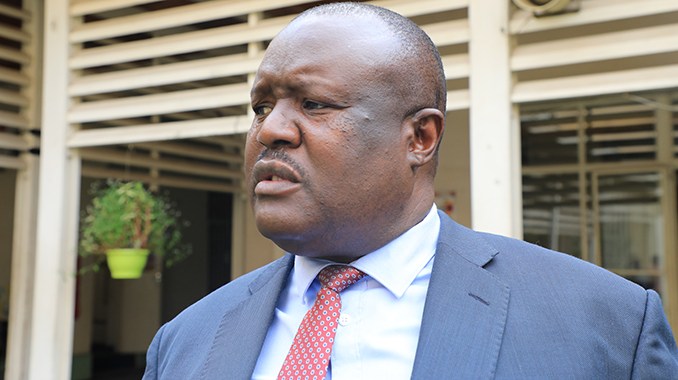
Delivering the keynote address, Deputy Minister of Tourism and Hospitality Industry Honourable Tongai Mafidi Mnangagwa said Zimbabwe was embracing the global theme as part of efforts to strengthen destination visibility, competitiveness and inclusive tourism development.
He said the commemorations were an opportunity for Zimbabwe to demonstrate how digital technologies could be deployed to preserve heritage, promote destinations and connect communities to the growing tourism economy.
“Zimbabwe is leveraging technology not to replace the human capital aspect, but to enhance the product offering to ensure we remain globally competitive on the digital edge,” said Hon Mnangagwa.
World Tourism Day is observed annually on September 27 under the auspices of UN Tourism to highlight tourism’s contribution to social and economic development and to promote greater awareness of the sector’s global significance.
The 2026 international celebrations are being hosted by El Salvador, while countries around the world are holding national activities to reflect on the future of tourism and the sector’s contribution to development.
For Zimbabwe, the national celebrations at Heritage Village provided a platform to link the global digital tourism agenda with the country’s own cultural and heritage assets.
Located within Liberation City in Harare, Heritage Village carries significant cultural value and forms part of efforts to preserve and present Zimbabwe’s liberation history as a tourism resource.
Hon Mnangagwa said Zimbabwe’s liberation heritage was an important component of the country’s tourism identity and should be packaged for wider domestic, regional and international audiences.
“Our liberation history is not just a chapter in text, it is a foundational pillar of our national identity and a premium cultural asset that we invite the world to appreciate,” he said.
He challenged the tourism sector to develop a documentary showcasing Zimbabwe’s culture, heritage and liberation history, alongside other attractions, as part of a broader digital storytelling strategy.
The Deputy Minister said the way tourists consume information had changed significantly, with digital platforms increasingly influencing decisions on where to travel.
He said Zimbabwe therefore needed to ensure that its destinations and tourism products were properly profiled and accessible through digital platforms.
The World Tourism Day commemorations also placed emphasis on the need for tourism growth to translate into wider economic opportunities for communities.
Hon Mnangagwa said Government was deliberately moving towards a more inclusive tourism model in which communities, women, youths and traditional leaders participate directly in tourism value chains.
The approach is being pursued in line with the national devolution policy and the country’s broader development objective of achieving an upper-middle-income society by 2030.
The Deputy Minister pointed to the recent hosting of the Sanganai/Hlanganani/Dzimbahwe Tourism Expo in Masvingo as evidence of efforts to spread tourism opportunities across Zimbabwe rather than concentrating them in established destinations.
“We are no longer treating tourism as a luxury exclusive to Victoria Falls,” he said.
He said strategic tourism clusters covering areas such as sports, religious tourism, MICE and business tourism, culture and heritage were being used to unlock opportunities across different parts of the country.
The Culture and Heritage Cluster, he said, was particularly important in preserving historical sites, traditional architecture and cultural practices while converting them into meaningful tourism experiences.
Gastronomy tourism was also highlighted as an important component of Zimbabwe’s heritage tourism drive.
Hon Mnangagwa said the promotion of indigenous cuisine was creating opportunities for smallholder farmers, women and youths to participate in the tourism value chain by supplying local produce to hotels and restaurants.
He said gastronomy tourism was therefore both a cultural preservation initiative and an economic empowerment opportunity.
The World Tourism Day celebrations also came as Zimbabwe recorded significant growth across key tourism indicators during the first half of 2026.
Hon Mnangagwa said domestic tourism trips increased by 27 percent to 6.4 million, up from five million during the corresponding period in 2025.
Tourism investment increased by 229 percent to US$132.3 million, compared with US$40.2 million during the same period last year.
International tourist arrivals also increased by 6.1 percent in the second quarter of 2026 compared with the first quarter.
The Deputy Minister said the figures reflected the growing contribution of tourism to Zimbabwe’s socio-economic development, while the country continued to receive international recognition as a tourism destination.
Looking ahead, he said Zimbabwe would use the digital agenda to redesign its tourism offering while integrating sustainable and smart technologies.
He stressed that technology should complement, rather than replace, the people and communities that form the foundation of the tourism sector.
As Zimbabwe joined countries around the world in commemorating World Tourism Day 2026, the national celebrations placed the future of tourism firmly within the intersection of digital innovation, heritage preservation, sustainability and inclusive economic development.
Hon Mnangagwa said the sector’s digital transformation must ultimately ensure that communities and custodians of tourism assets become among the primary beneficiaries of increased destination exposure.
“Sustainability dictates that communities and custodians who animate this space must be among the primary economic beneficiaries of its exposure,” he said.
The World Tourism Day commemorations therefore provided Zimbabwe with both a celebration of tourism’s contribution to national development and a renewed call to use technology to make the country’s tourism story more visible, accessible and competitive in the global market.