
By Tendai Guvamombe
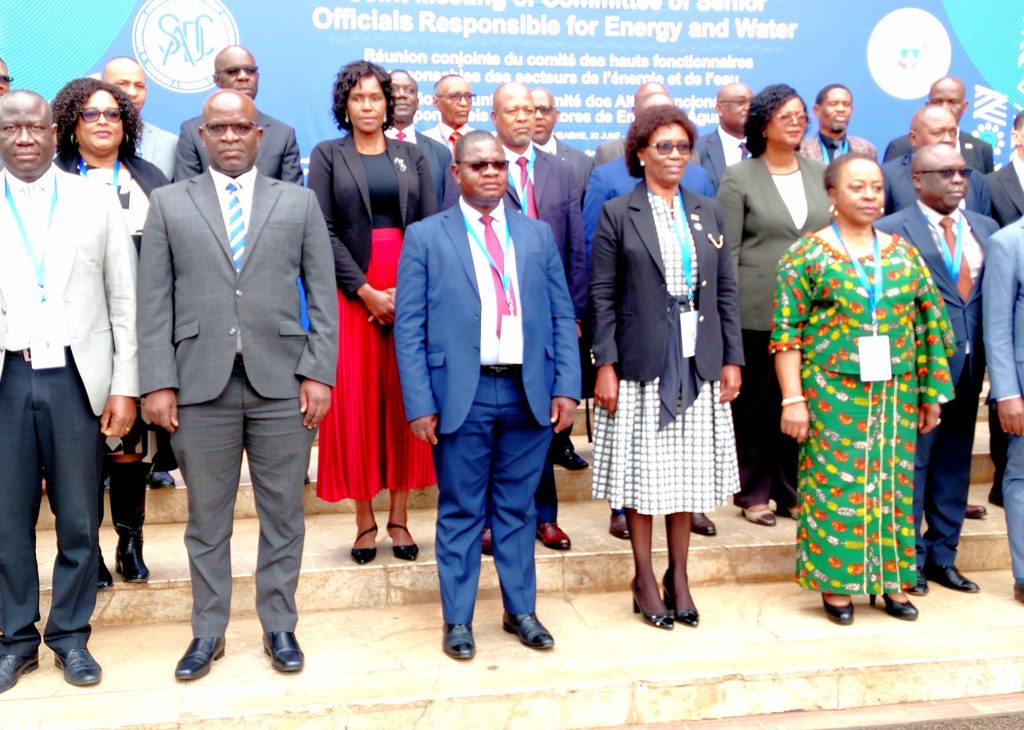
Zimbabwe is currently playing host to a pivotal gathering of Senior Officials from SADC Member States for the 43rd Joint Meeting of Ministers Responsible for Energy and Water.
The high-level meeting, held at the Rainbow Towers Hotel, commenced on June 30, 2025, and underscores the urgent need for regional collaboration to address the intertwined challenges of water and energy security amidst a rapidly changing climate.
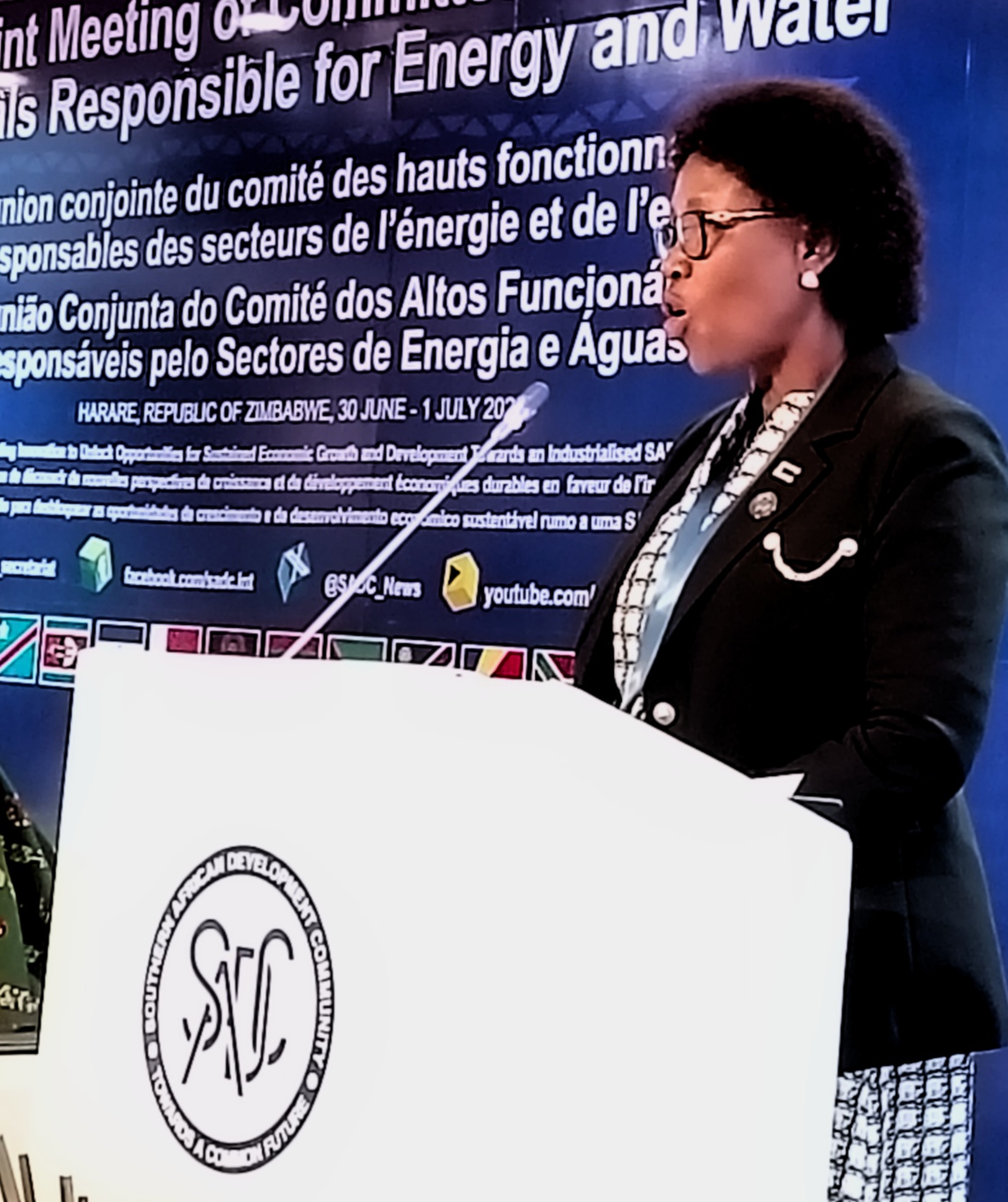
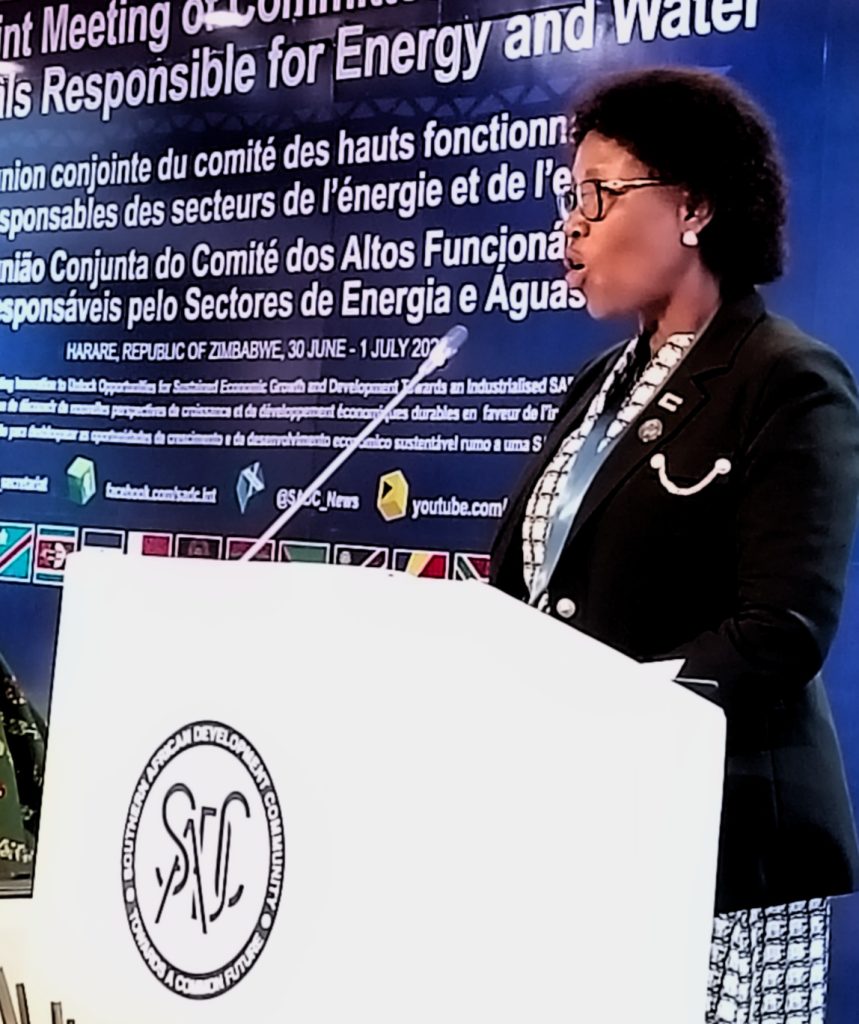
In her welcoming and opening remarks, Dr. Gloria S. Magombo, Secretary for Energy and Power Development, emphasized Zimbabwe’s honor in chairing this crucial meeting. She highlighted the profound significance of water and energy as the “lifeblood of our economies, the foundation and anchor of public health, and the cornerstone upon which sustainable development can be built.”
Southern Africa faces a triple threat: burgeoning population growth, escalating impacts of climate change, and rising demand for both water and energy.
Dr. Magombo painted a stark picture of climate change’s reality in the region, noting that mean temperatures are projected to outpace the global average, leading to an increased frequency of droughts and floods.
These extreme events have severely impacted the energy sector, particularly hydropower production, which is a major source of affordable electricity. The case of Kariba Dam, shared by Zimbabwe and Zambia, where generation plummeted to below 25% at one point, serves as a grim reminder.
The meeting serves as a “clarion call to action,” aiming to confront these trans-boundary challenges with a unified, regional, and continental response.
Key discussions during the Senior Officials’ meeting, which will inform the Ministerial meeting on July 4, 2025, include the preparedness for Mission 300 (aiming to provide electricity access to 300 million people in Sub-Saharan Africa by 2030), smart and clean cooking initiatives, the ambitious Grand Inga Project, the Congo Basin Water transfer, and the Revised Regional Water Policy.
Dr. Magombo also commended existing collaborations, such as the Southern African Power Pool (SAPP) and ongoing efforts to interconnect with the East African Power Pool (EAPP), underscoring Zimbabwe’s strategic geographic position for regional energy infrastructure.
The just energy transition agenda and leveraging the region’s wealth of critical energy transition minerals for value addition are also high on the agenda.
Ultimately, the meeting is a testament to SADC’s commitment to integrating the Water, Energy, Food, and Environment (WEFE) nexus, striving to achieve universal access to clean energy and water, and translating the aspirations of Agenda 2063 and Sustainable Development Goals 6 and 7 into tangible realities for all citizens.