By Tendai Keith Guvamombe
A New World View: African Union Challenges Misleading Map
The African Union (AU) has officially endorsed a campaign to replace the traditional Mercator map with a more accurate representation of the world, citing concerns that the widely-used projection perpetuates a distorted view of Africa’s size and global standing.
The “Correct The Map” initiative, backed by advocacy groups Africa No Filter and Speak Up Africa, aims to replace the 16th-century Mercator projection with the more geographically precise Equal Earth projection.
The Mercator map, a staple in classrooms and digital platforms, has long been criticized for its significant distortions.
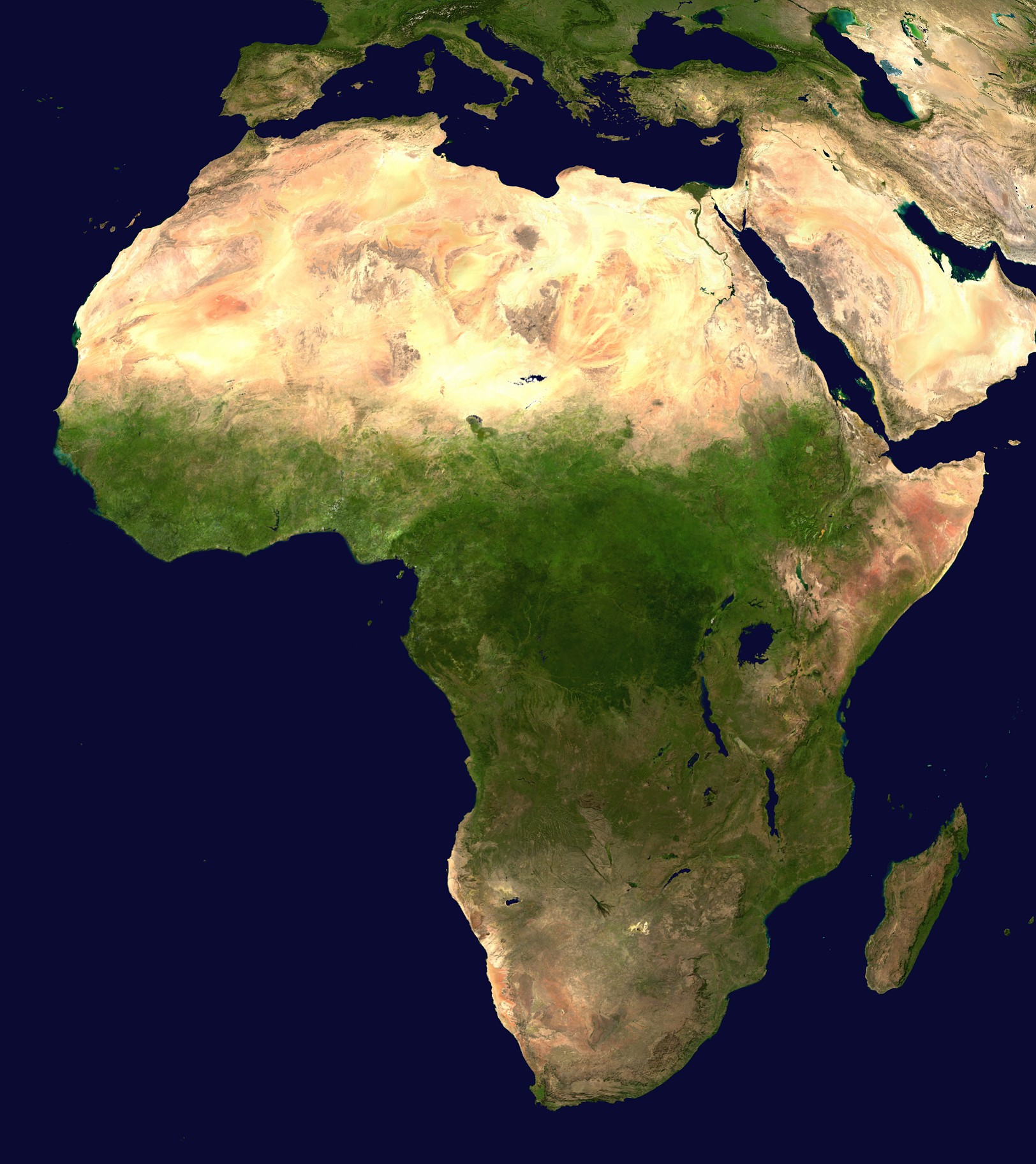
While it’s useful for navigation because it preserves angles and shapes, it drastically exaggerates the size of landmasses the further they are from the equator. On a Mercator map, for instance, Greenland appears to be the same size as Africa, when in reality, Africa is over 14 times larger.
This cartographic misrepresentation fosters a false impression of a “marginal” Africa, as noted by AU Commission deputy chairperson Selma Malika Haddadi.
From Classroom to Global Stage
Advocates of the Equal Earth projection, created in 2018, argue that it offers a visually pleasing and equal-area alternative that correctly portrays the relative sizes of continents. Fara Ndiaye, co-founder of Speak Up Africa, highlighted the campaign’s focus on education, stating that the group is working to promote the Equal Earth map as the new standard across African classrooms.
The campaign has garnered international support, including from the Caribbean Community (CARICOM) Reparations Commission, which sees the move as a rejection of the Mercator map’s “ideology of power and dominance.”
While many organizations still rely on the Mercator, there are signs of change. A World Bank spokesperson confirmed they are phasing out the Mercator for web maps in favor of projections like the Equal Earth, and the campaign has submitted a request for its adoption to a key United Nations body.
This movement is more than a geographical correction; it’s about reclaiming a positive identity and ensuring Africa is accurately represented in global media, education, and policy.