Sunlight To Darkness: Power Outage at SONA Is Zimbabwe’s Loudest Call For Energy Revolution
Sunlight To Darkness: Power Outage at State of the Nation Address Is Zimbabwe’s Loudest Call For Energy Revolution
tendai keith guvamombe
The moment President Emmerson Mnangagwa’s State of the Nation Address (SONA) was plunged into pitch-black darkness at the new, grand Parliament Building on Tuesday 28 October 2025, it became the most public display of Zimbabwe’s persistent power crisis.
This power cut was more than a technical glitch; it’s a blaring sign that the country is failing to implement its own progressive green energy policies. Critics are now asking: Why are we rich in sunshine but poor in power?
The Policy-Action Gap- Zimbabwe boasts commendable policy frameworks like the National Energy Efficiency Policy (NEEP) and the Renewable Energy Policy. The goal is clear: transition to a resilient, low-carbon future. Yet, the Parliament—the very symbol of the nation—was paralyzed by a power dip.
Energy experts highlight the shocking simplicity of the failure. The entire conference room, with its lighting and audio, only needs 2.5 to 5.0 kW of power. A basic, dedicated solar backup system for this critical area would have ensured the address continued uninterrupted.
“Zimbabwe has enabling policy frameworks to address such challenges but where are we failing?” asks climate change media practitioner Tendai Keith Guvamombe. The answer is a clear failure to translate high-level policy into practical, on-the-ground energy resilience.
New Parliament Needs a Green Overhaul
The new, Chinese-built Parliament is majestic, but its design appears to have missed core green building concepts. Sustainable design is not just about aesthetics but it’s about resilience.
Imagine the savings if the building maximized natural light flow from the rooftop to the basement, or if it used passive ventilation to reduce reliance on power-guzzling air conditioners.
Furthermore, simple smart load shedding—prioritizing the SONA conference room over areas like high-power-consuming elevators—should be standard procedure during national events.
Experts are calling for the Parliament to lead the way by fully embracing net metering and greening its entire operation. This would not only secure its own power supply but also set a vital example for the whole nation.
President Mnangagwa Must “Walk The Talk” at COP 30
As the President prepares to attend the international Conference of Parties on Climate Change (COP 30) in Brazil, this blackout provides a powerful, if uncomfortable, backdrop.
He must carry a message beyond the noble goals of the OpenWide National Determined Contribution communicated at COP 27. His delegation’s focus must now be on demonstrating action—showing the globe how his government is urgently addressing domestic energy gaps through sustainable, decentralized solutions.
The repeated darkness at SONA is now the brightest spotlight on Zimbabwe’s urgent need to activate its climate policies. It is a wake-up call for a decisive, green energy revolution.
About Author
Tendai Keith Guvamombe, is a recognized Climate Change Media Practitioner, emphasizes the urgency of policy-to-action translation. The blackout wasn’t just a political snag; it was a potent symbol that demands a sustainable energy revolution in Zimbabwe
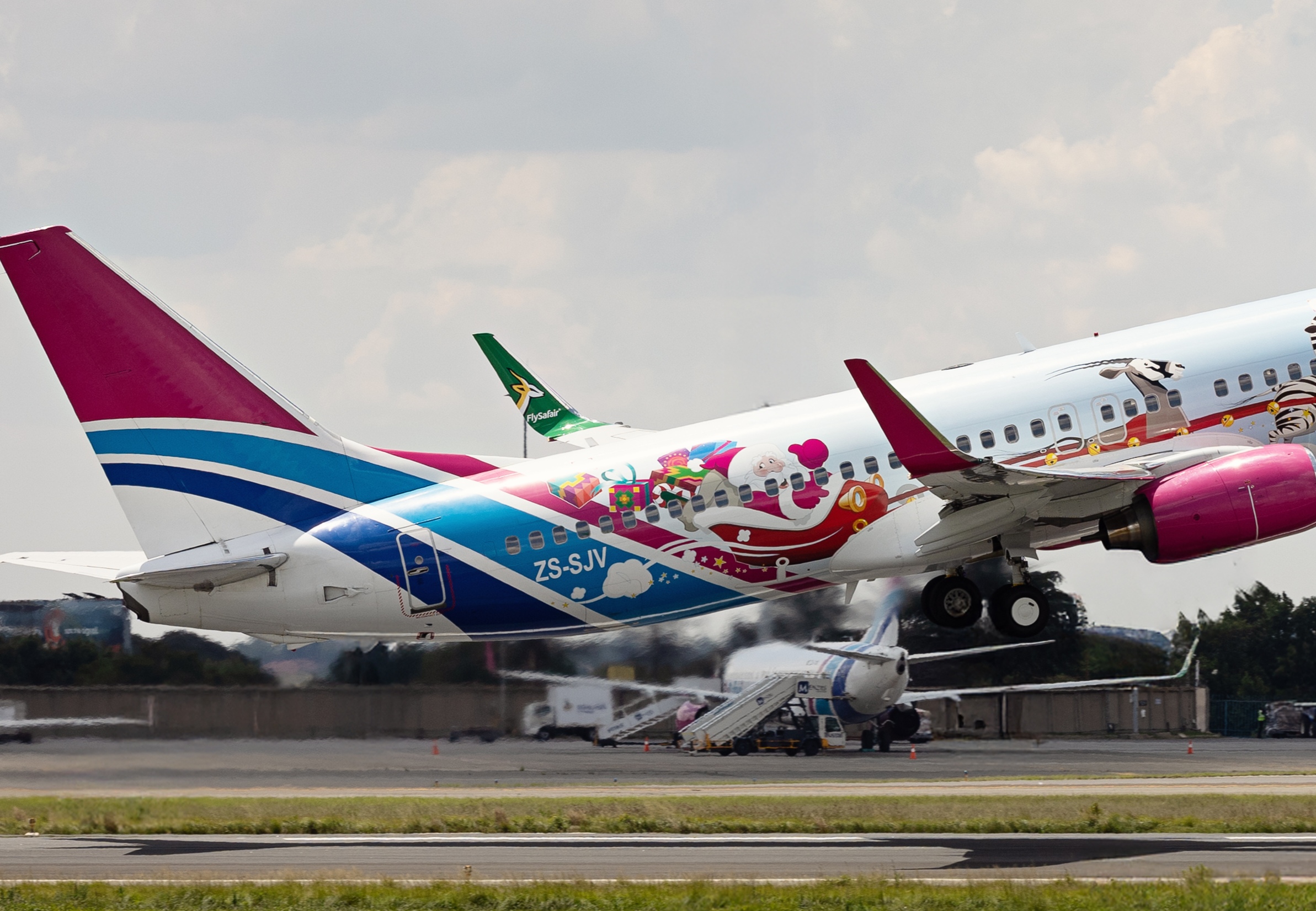
JOHANNESBURG – Santa’s got a new ride, and it’s proudly South African! FlySafair has revealed “Santa’s Sleigh”, a specially designed Boeing 737-800 that will spread festive cheer across South Africa throughout the holiday season.
In a world often consumed by the relentless pursuit of more Wicknell Chivayo—affectionately known as Sir Wicknell—has once again steered the conversation toward a different kind of wealth: the wealth of comfort and unapologetic self-assurance.
Under the amber glow of a resplendent Zimbabwean sun, the historic grounds of the Zimbabwe Agricultural Society (ZAS) bore witness to a historic metamorphosis today.