

By Tendai Keith Guvamombe (Harare)Commemorations for World Press Freedom Day in Harare took a critical turn as the Media Institute of Southern Africa (MISA) Zimbabwe highlighted significant concerns regarding the recently gazetted Broadcasting Services Bill.
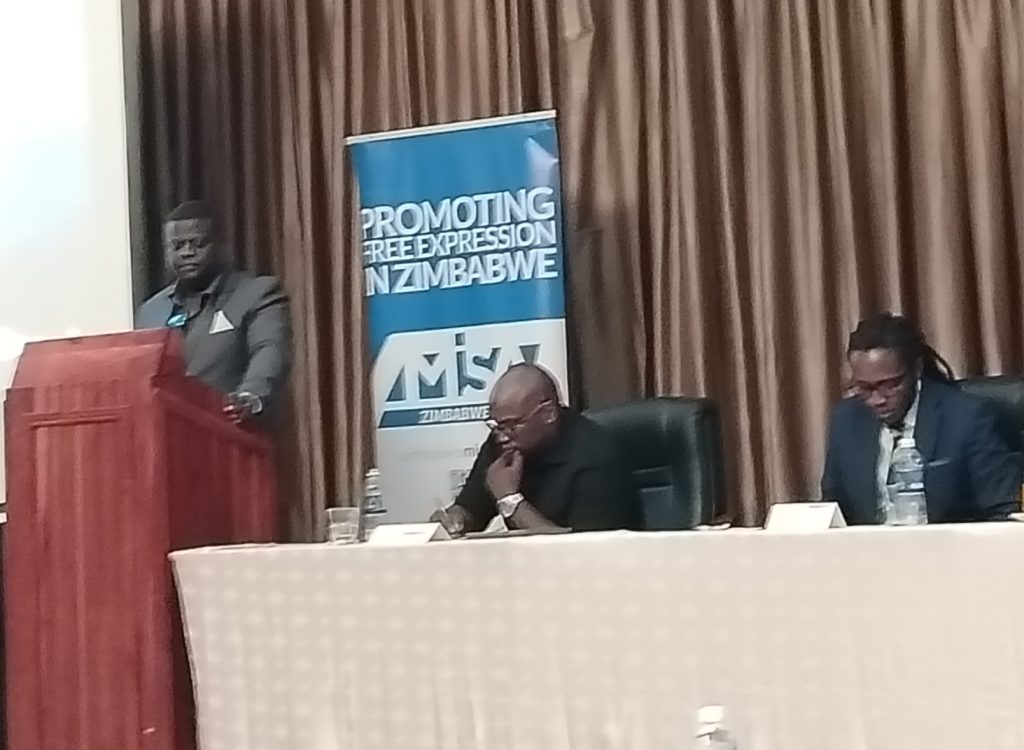
The event, held at a local hotel and attended by officials from the Ministry of Information, MISA, the Media Alliance of Zimbabwe, civic society representatives, and media practitioners, became a platform to voice discontent over the bill’s inclusivity.
MISA Zimbabwe Director Thabani Moyo pointedly stated that the Ministry of Information and Broadcasting Services had seemingly disregarded a substantial portion of the contributions made by stakeholders during Parliamentary consultations on the bill.
According to Moyo, a staggering three-quarters of the submissions presented by various stakeholders, including the media fraternity itself and even Parliamentarians, appear to have been overlooked in the final draft of the legislation.
This failure to incorporate diverse perspectives raises serious questions about the consultation process and the government’s commitment to crafting a truly representative and progressive broadcasting law.
Moyo emphasized the potential ramifications of enacting a bill that does not reflect the collective wisdom of the industry and other interested parties. “If we don’t come up with a bill that is inclusive, we will continue to remain where we are,” he cautioned, underscoring the missed opportunity for meaningful reform.
The concerns voiced by MISA Zimbabwe resonate with broader anxieties within the media landscape regarding the future of broadcasting in the country. An inclusive bill, shaped by the input of those who will be directly affected by it, is seen as crucial for fostering a vibrant, diverse, and independent media environment.
The current iteration of the Broadcasting Services Bill, however, appears to fall short of this ideal, potentially perpetuating existing challenges and hindering the sector’s growth.
Despite the disappointment, Moyo offered a glimmer of hope, suggesting that there is still an opportunity to rectify the situation. He urged for a reconsideration of the bill, emphasizing that recalling it could pave the way for a “futuristic law” capable of rebranding Zimbabwe’s broadcasting industry and aligning it with international best practices.
The call for an inclusive approach underscores the media fraternity’s desire for a legislative framework that truly serves the public interest and supports a thriving media ecosystem. The spotlight now falls on the Ministry of Information and Broadcasting Services to respond to these concerns and demonstrate a commitment to a more collaborative and representative law-making process.