LUSAKA, ZAMBIA – Pan African Parliament (PAP) President, H.E. Chief Fortune Charumbira, has underscored the critical role of parliamentary institutions in combating illicit and tax avoidance related financial flows (ITAFFs) and fostering good governance.
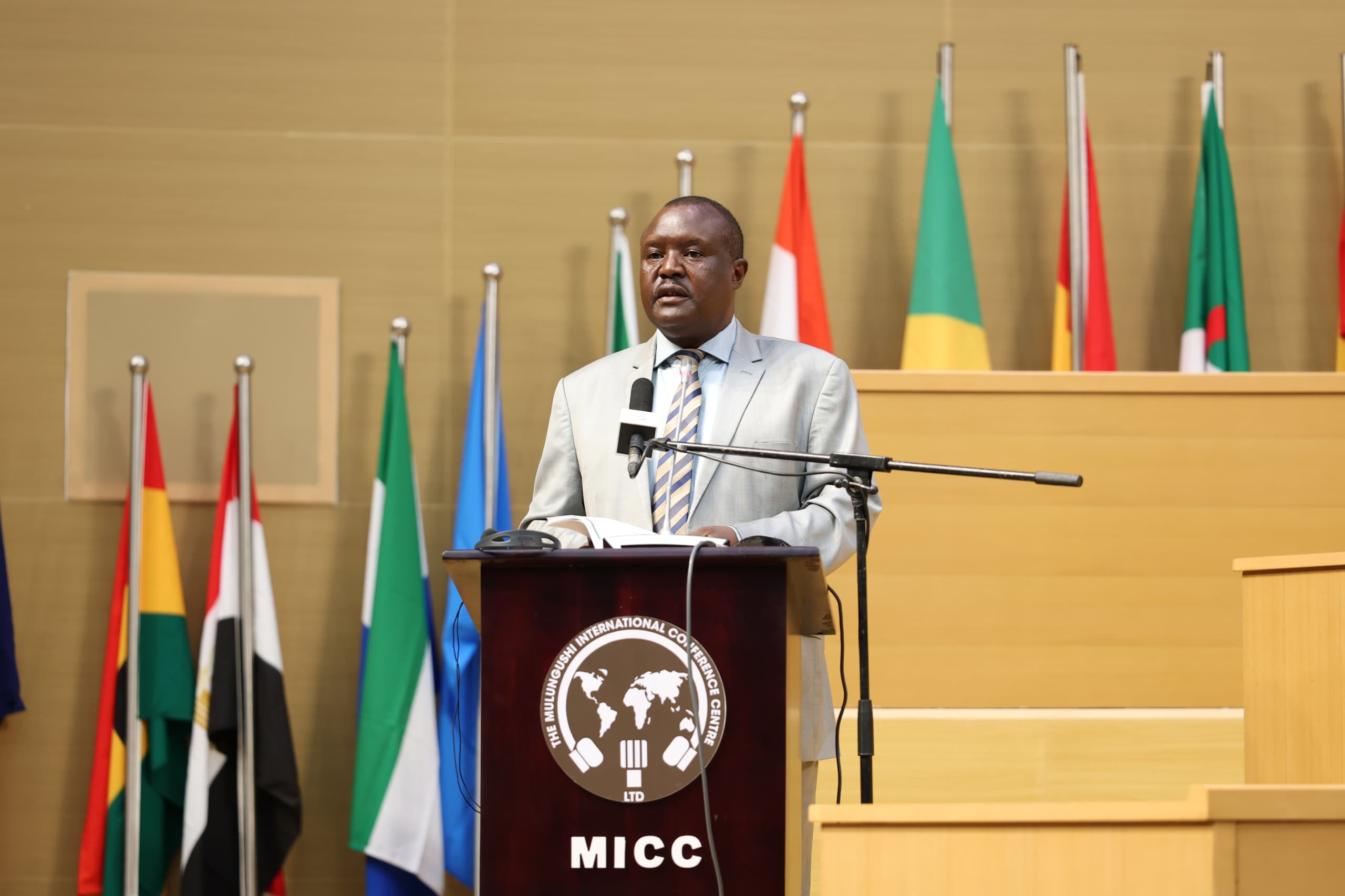
Speaking at the official opening of the Fourth Sub-Committee on Tax and Illicit Financial Flows of the Specialized Technical Committee (STC) on Finance, Monetary Affairs, Economic Planning and Integration in Lusaka, Zambia, President Charumbira emphasized the urgent need for a unified and multi-faceted approach to address this challenge hindering Africa’s development.
President Charumbira highlighted the PAP’s unique position as the voice of the African people within the African Union’s decision-making processes. He stressed the Parliament’s mandate to facilitate the implementation of AU programs, including Agenda 2063 and the Sustainable Development Goals, both of which prioritize curbing IFFs.
He also pointed to the PAP’s crucial role in harmonizing legislative texts across member states to create a stronger continental framework against ITAFFs.
Drawing attention to the devastating impact of IFFs, President Charumbira cited alarming statistics, including the estimated US$1.8 trillion lost by Africa between 1970 and 2008. He emphasized the correlation between high IFFs and reduced investment in crucial sectors like health and education.
President Charumbira asserted that tackling IFFs requires acknowledging its interconnectedness with issues like corruption, weak institutions, governance challenges, and political instability. He called for a holistic strategy involving all stakeholders in governance, peace and security, taxation, and finance. He also warned that escalating conflicts on the continent provide fertile ground for IFFs to flourish, citing the situation in the DRC and Sudan.
The PAP President urged the African Union to leverage the Pan African Parliament’s unique composition of representatives from all 54 member states to champion legislative and policy reforms.
He highlighted the PAP’s proactive development of a model Double Taxation Agreement as a concrete contribution. He concluded by stressing the necessity of identifying and acting against the actors and networks involved in IFFs across origin, transit, and destination countries, emphasizing that “Africa must stop the bleeding” to realize its development aspirations.