
By Tendai Keith Guvamombe
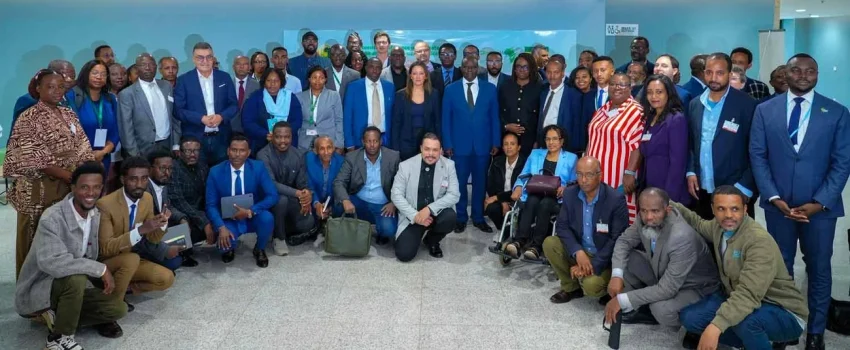
The conclusion of the 13th Conference on Climate Change and Development in Africa (CCDA-XIII) in Addis Ababa marks a pivotal shift in the continent’s environmental strategy.
Moving beyond the rhetoric of unfulfilled pledges, African leaders, scientists, and policymakers have consolidated a technical roadmap designed to transform the continent from a passive recipient of aid into a proactive hub for global climate solutions.
This unified position is set to anchor the Second Africa Climate Summit and serve as the backbone of Africa’s negotiations at COP30 in Belém, Brazil.
Central to this new agenda is the urgent need to bridge the staggering climate financing gap. Despite bearing the brunt of global warming, Africa currently receives only 3% of international climate finance.
To counter this, the African Development Bank (AfDB) is leading a transition toward investment-ready projects. By mobilizing USD 4 billion through its Climate Action Window by 2025, the Bank is prioritizing adaptation for fragile states.
The goal is to shift the global financial narrative from charity handouts to strategic investments, targeting a mobilization of USD 2.5–3 trillion annually by 2030 through innovative tools like green bonds and blended finance.
The conference further identified climate intelligence as the continent’s first line of defense. By investing in integrated monitoring systems and early warning data, African nations aim to close critical knowledge gaps that leave populations exposed to unanticipated risks.
This data-driven approach is complemented by a commitment to a Just Energy Transition, which places universal energy access at the core of industrialization. By developing value chains for critical minerals and green hydrogen, Africa is positioning itself as a renewable energy powerhouse rather than just a raw material exporter.
Ultimately, the recommendations from CCDA-XIII emphasize governance and institutional coherence under the African Union. By embedding climate resilience into national development plans and operationalizing disaster tracking systems, Africa is asserting its leadership.
As the continent prepares for COP30, the message is clear: Africa is no longer waiting for global permission to act; it is leveraging its vast natural ecosystems and youthful workforce to shape a sustainable destiny.