
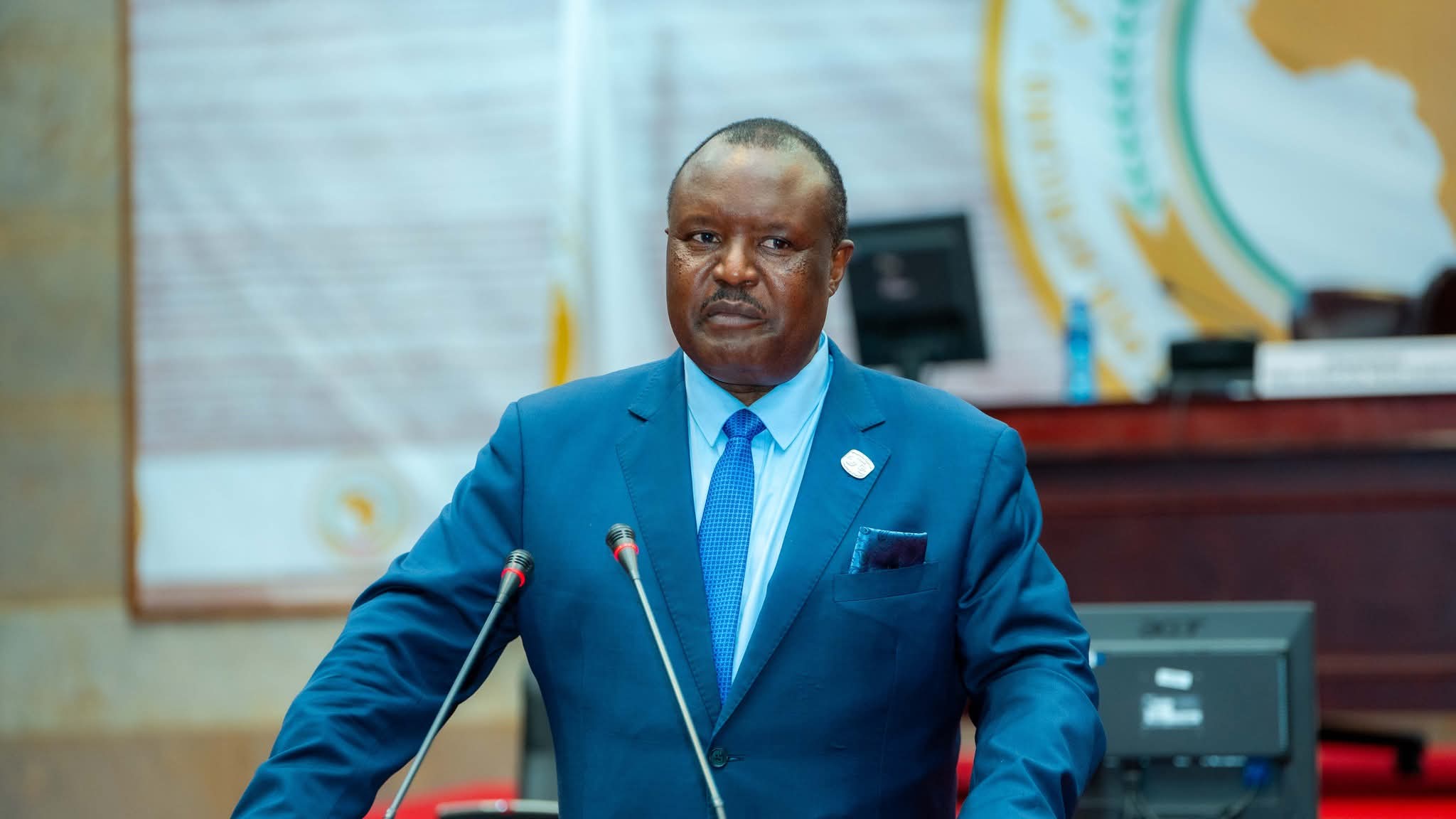
Pan-African Parliament President Charumbira Demands Action, Not Pledges, Ahead of COP30
Tendai Keith Guvamombe(Writer)
As the international community prepares for the pivotal 30th Conference of the Parties (COP30) to the United Nations Framework Convention on Climate Change (UNFCCC) in Belém, Brazil, a powerful message of unity and non-negotiable demands has emerged from the African continent.
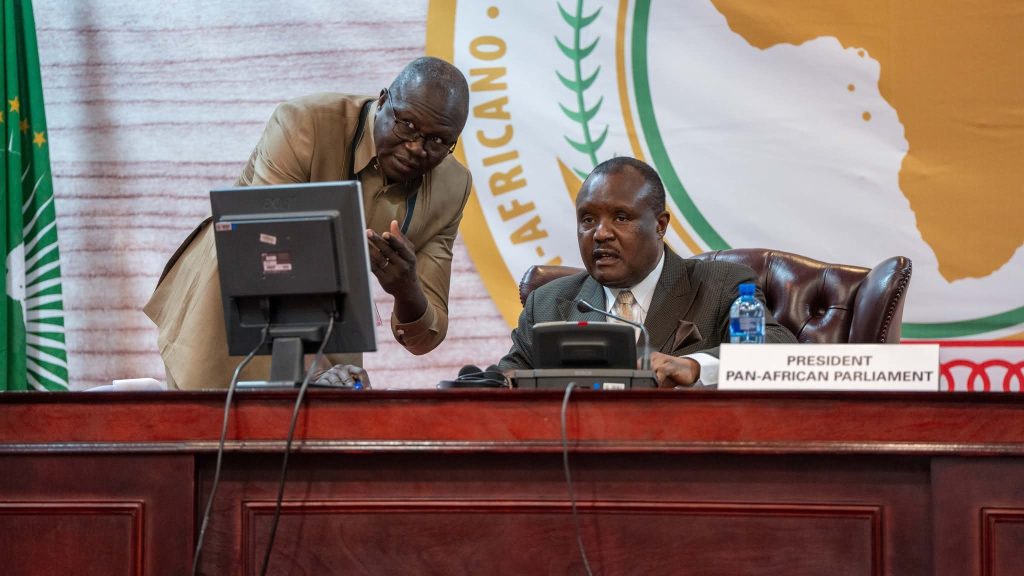
H.E. Chief Fortune Charumbira, President of the Pan-African Parliament (PAP), delivered a technical and emphatic call to action, insisting that “Africa must, therefore, speak with one voice” on a set of critical priorities.
His remarks underscore a growing determination to move the discourse from theoretical commitments to tangible, financially backed implementation, aligning Africa’s agenda with the core objectives of the Paris Agreement on Climate Change.
Key Technical Demands: Bridging the Implementation Gap
Chief Charumbira’s six priority areas are a direct response to the persistent gaps in global climate governance, particularly concerning the principle of Common but Differentiated Responsibilities and Respective Capabilities (CBDR-RC) enshrined in the UNFCCC.
Financial Justice: From Pledges to Delivery:
The primary demand centers on Climate Finance, calling for funding that is predictable, accessible, and equitable.
Prioritizing Adaptation and Resilience:
Given the Intergovernmental Panel on Climate Change (IPCC) reports consistently highlight Africa’s disproportionate vulnerability to climate shocks, adaptation funding is deemed a matter of survival.
Just Energy Transition and Green Industrialization:
The call for an African-led green industrialization pathway using the continent’s abundant renewable resources and critical minerals. This insists that the transition must not sacrifice development.
Operationalizing Loss and Damage:
Africa is pushing for the full operationalization of mechanisms to ensure it “receives compensation for irreversible climate impacts.”
Safeguarding Food Systems:
Climate change’s direct threat to Food and Nutrition Security mandates that safeguarding agricultural systems be central to the climate action agenda.
Unified Voice:
Strengthening the African Group of Negotiators (AGN) to consolidate diplomatic power.
Technical Deep Dive:The Financial Imperatives at COP30
The core of Africa’s unified position is the urgent need to reshape the global financial architecture of climate action. COP30 is viewed as a crucial deadline for finalizing two major financial components under the UNFCCC framework: the New Collective Quantified Goal (NCQG) and the Loss and Damage Fund.
1. The New Collective Quantified Goal (NCQG)
The NCQG is arguably the most critical finance agenda item for Africa at COP30. It is intended to be the post-2025 climate finance target, replacing the failed $100 billion annual goal that developed nations were meant to deliver by 2020. The AGN is advocating for an ambitious, needs-based goal, with African financial institutions estimating the continent’s needs alone could be in the range of $1.3 trillion to $1.6 trillion annually between 2020 and 2030 to meet its Nationally Determined Contributions (NDCs) and sustainable development goals.
At COP30, the key technical negotiations around the NCQG will focus on:
Scale and Scope: Ensuring the final figure is commensurate with the scale of climate needs, particularly in developing nations.
Composition: Mandating a balanced split between mitigation and adaptation finance (known as parity). Current flows heavily favor mitigation, despite adaptation being a survival issue for Africa.
Quality of Finance: Insisting that a significant portion of the goal must be delivered as grant-based funding and highly concessional finance, rather than loans that exacerbate the continent’s debt burden.
Link to Global Stocktake (GST): The NCQG must be structured to directly respond to the findings of the GST (the Paris Agreement’s ambition mechanism), ensuring future finance flows close the identified emissions and adaptation gaps.
2. Operationalizing the Loss and Damage Fund
Following its historic establishment at COP28, the focus at Belém shifts entirely to the operational modalities and capitalization of the Loss and Damage Fund.
The Fund is designed to provide non-debt-creating finance to assist vulnerable developing countries in responding to the irreversible impacts of climate change—those losses that cannot be averted through adaptation.
Charumbira’s demand for operationalizing mechanisms underscores the technical hurdles:
Capitalization: Africa is demanding clear, transparent commitments from developed countries to provide new and additional funds, ensuring the money is not merely repurposed from existing Official Development Assistance (ODA) or other climate funds.
Governance and Access: The Fund’s governance structure, currently housed temporarily with the World Bank, must be revised to ensure direct access mechanisms.
African nations must be able to bypass lengthy, complex bureaucratic processes—a common failing of funds like the Green Climate Fund (GCF)—to rapidly mobilize finance when climate disasters strike.
Addressing Irreversible Impacts: The funds must cover both economic losses (e.g., destroyed infrastructure, reduced agricultural yields) and non-economic losses (e.g., loss of cultural heritage, displacement, and mortality), acknowledging the deep, structural damage facing highly vulnerable communities.
The Architecture of African Climate Diplomacy
The technical and political momentum behind Charumbira’s message is anchored in a robust continental framework. The AGN has been tirelessly preparing for COP30, building on consensus achieved during platforms like Africa Climate Week (ACW). The outcome of the technical negotiations during the Bonn Sessions (the mid-year talks of the Subsidiary Bodies for Scientific and Technological Advice – SBSTA, and Implementation – SBI) serves as the basis for the political agreement in Brazil.
Africa’s unified stance at COP30 is not merely a request for aid, but a demand for climate justice that acknowledges historical emissions and the continent’s right to sustainable, green industrialization, in full compliance with the goals and principles of the Paris Agreement.