By Dickson Bandera
Zimbabwe has taken another decisive step toward strengthening Gender Equality and Social Inclusion (GESI) following the successful training of journalists from various media platforms on inclusive reporting within the education sector.
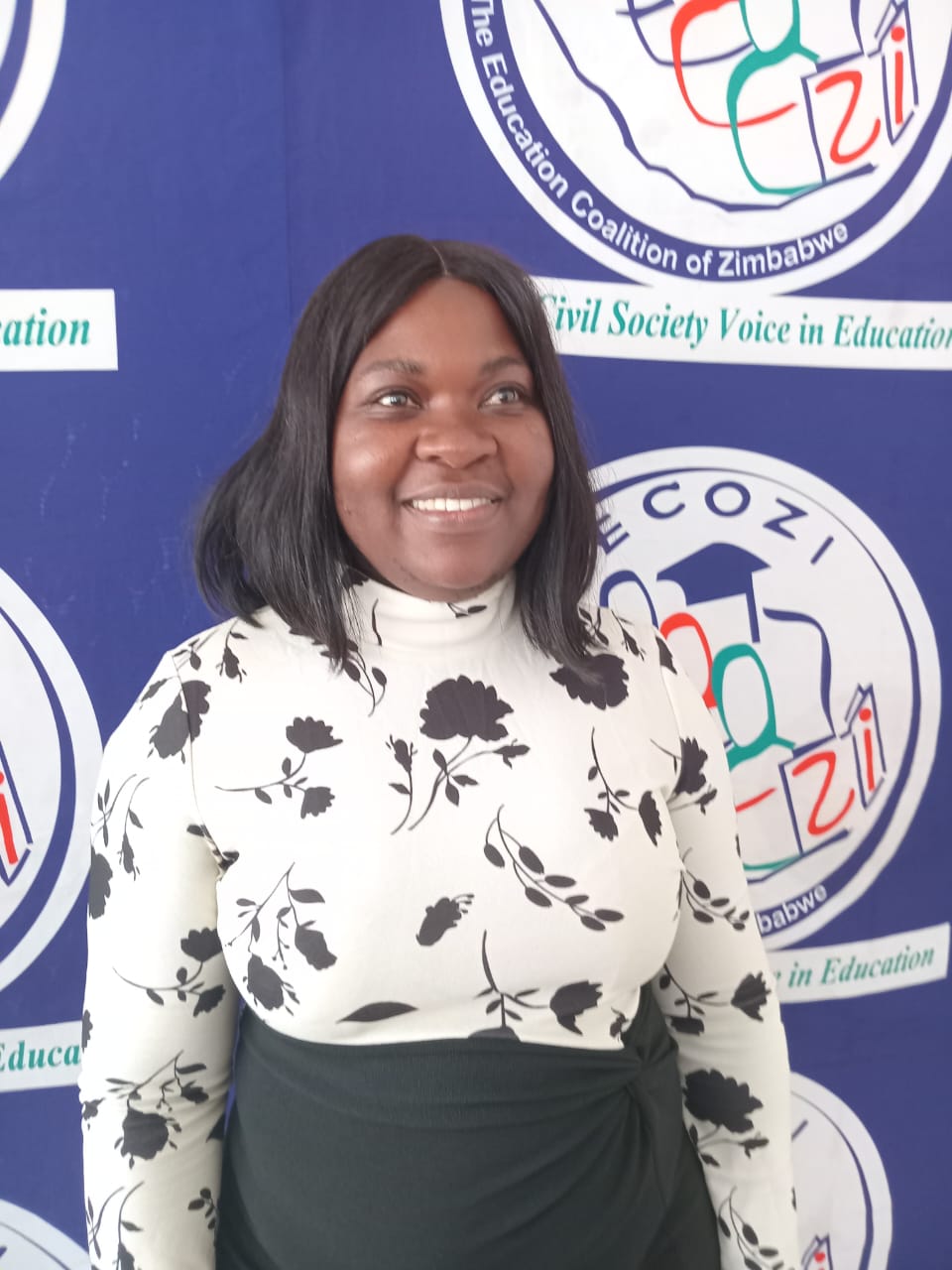
Organized by the Education Coalition of Zimbabwe (ECOZI), in collaboration with key education stakeholders, the specialized media training equipped journalists with practical skills, critical perspectives, and modern tools necessary to produce gender-sensitive and socially inclusive content.
The initiative is geared toward elevating marginalized voices and dismantling harmful narratives that often shape public perceptions of education.
The training comes at a pivotal moment, as Zimbabwe’s education sector continues to reform in line with the nation’s Heritage-Based Education philosophy—an approach that seeks to make learning reflective of Zimbabwean identity while integrating global standards to enhance competition and relevance on the international stage.
The media sector stands at the center of these reforms
As a powerful shaper of public discourse and influencer of national policy, the media plays an essential role in ensuring that conversations around education are balanced, factual, and inclusive. At a time when the nation is striving to ensure that no learner is left behind, responsible reporting becomes more important than ever.
During the workshop, journalists participated in case studies, scenario-based exercises, and group analyses that challenged them to rethink traditional reporting methods.
They were encouraged to adopt rights-based, gender-responsive approaches that highlight the lived experiences of girls, children with disabilities, and learners from marginalized and hard-to-reach communities—groups who have historically received limited attention in mainstream coverage.
The training also exposed gaps in media representation and urged journalists to become active champions of equity through their storytelling. Discussions underscored the role of inclusive journalism in advancing Sustainable Development Goals (SDGs), particularly SDG 4 (Quality Education) and SDG 5 (Gender Equality).
Participants received a GESI Media Toolkit, which includes a Gender and Inclusion Analysis Tool designed to help journalists evaluate gaps in their stories and strengthen the inclusivity of their reporting.
A number of collaborative outputs are expected to follow
These include the development of gender-responsive radio scripts, social media campaigns, and feature stories promoting inclusive education. Radio stations will produce programs that unpack real-life GESI challenges and successes within the education sector, helping raise public awareness and contributing to evidence-based policy discussions.
Three thematic podcasts will also be produced, focusing on SDG 4 and SDG 5
These podcasts will highlight real-life stories, best practices, and the experiences of learners across different parts of Zimbabwe.
In addition, trained journalists will generate feature articles that amplify the voices of groups that are often overlooked—girls, learners with disabilities, and children from marginalized communities—ensuring that their stories receive the visibility they deserve.
To promote sustainability and accountability, ECOZI and its partners will introduce media tracking and monitoring systems to assess trends in GESI representation within education reporting.
The findings will inform future interventions and help identify areas that require continued attention.
Overall, the initiative is expected to enrich Zimbabwe’s media landscape with more inclusive, balanced, and impactful reporting on education—boosting national development efforts while ensuring meaningful visibility for communities that have long been underserved.