
Tendai Keith Guvamombe
The political landscape in Uganda is buzzing as early results from the Thursday, January 15, 2026, presidential election reveal a commanding lead for incumbent President Yoweri Museveni.
According to the Electoral Commission’s update on Friday morning, Museveni is currently leading with 76.25% of the vote, based on tallies from approximately 45% of polling stations across the country.
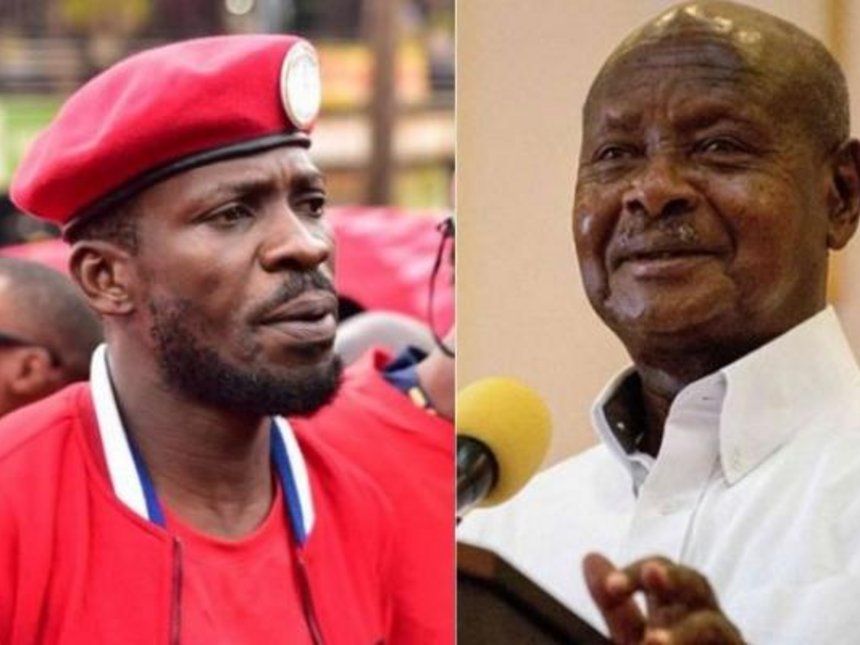
His primary challenger, the popular pop star-turned-politician Robert Kyagulanyi—better known as Bobi Wine—trails significantly with 19.85%. The remaining votes are split among six other candidates in a race that has largely become a two-man contest.
The election took place under a nationwide internet shutdown, a move authorities claimed was necessary to prevent “misinformation” and ensure national stability. However, the blackout has drawn sharp criticism from international observers and human rights groups, who argue it hampers transparency.
Bobi Wine has already alleged “massive fraud,” claiming his polling agents were abducted and ballot boxes were tampered with. The National Unity Platform (NUP) also reported that Wine has been placed under “effective house arrest,” with military forces surrounding his Kampala residence—a claim the police have yet to officially confirm.
At 81 years old, Museveni is seeking a seventh term to extend his 40-year rule, positioning himself as the sole guarantor of Uganda’s peace. In contrast, 43-year-old Bobi Wine has campaigned on a platform of “youth power,” promising to tackle corruption and create opportunities for the 70% of the population aged under 35.
As the country awaits the final declaration, the Electoral Commission has 48 hours from the close of polls to announce the official winner. With the current trajectory, Museveni appears poised for victory, though the opposition’s rejection of the process suggests a tense period ahead for the East African nation.