
By Tendai Keith Guvamombe
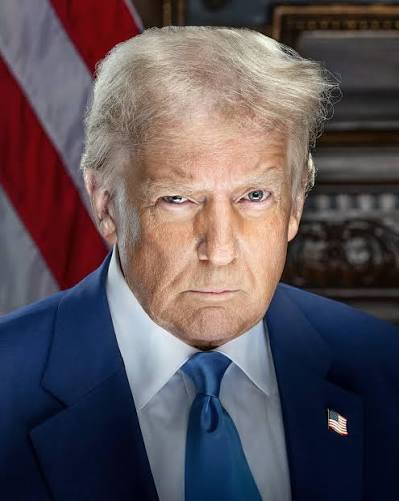
The revival of the Monroe Doctrine under the 47th presidency of Donald Trump represents a seismic shift in American foreign policy, moving from global liberal internationalism toward a “hemispheric-first” strategy.
At the center of this 2026 geopolitical realignment is the renewed and aggressive pursuit of Greenland. By reframing the 1823 doctrine—which originally warned European powers to stay out of the Western Hemisphere—President Trump has asserted a modern “Trump Corollary.”
This interpretation posits that for the United States to be truly secure, it must not only prevent foreign meddling but also exercise direct sovereignty or control over strategic territories within its “near-abroad.”The strategic logic linking the Monroe Doctrine to Greenland is rooted in the intensifying “Great Power Competition” in the Arctic.
As melting ice opens new shipping lanes and exposes massive deposits of rare earth minerals—essential for everything from EV batteries to missile guidance systems—Greenland has become the frontline of a new Cold War.
The Trump administration argues that allowing Chinese or Russian investment in Greenlandic infrastructure is a direct violation of the spirit of the Monroe Doctrine. By y proposing to purchase the island or, more controversially, suggesting military “annexation for national security,” the administration seeks to create a permanent northern shield against Eurasian encroachment.
Furthermore, the pursuit of Greenland is a cornerstone of the administration’s “Golden Dome” missile defense project. Under the revived doctrine, Greenland is no longer viewed merely as a Danish autonomous territory, but as an indispensable pillar of North American defense.
The Pituffik Space Base (formerly Thule) already provides early warning capabilities, but the “Trump Corollary” demands more: total control to ensure that the GIUK Gap (the naval chokepoint between Greenland, Iceland, and the UK) remains under American fiat. This transactional and nationalist approach views the island not through the lens of traditional NATO alliances, but as a “real estate” necessity vital to ensuring the United States remains the uncontested hegemon of the Western Hemisphere.
However, this revival has sparked a profound crisis within the rules-based international order. While the administration points to historical precedents—such as the 1917 purchase of the Virgin Islands from Denmark—critics and allies alike argue that modern international law regarding self-determination makes such a “purchase” impossible without the consent of the Greenlandic people.
As 2026 progresses, the link between the Monroe Doctrine and Greenland remains the most volatile flashpoint in transatlantic relations, signaling a world where “spheres of influence” have officially replaced the era of global cooperation.