
By Tendai Keith Guvamombe
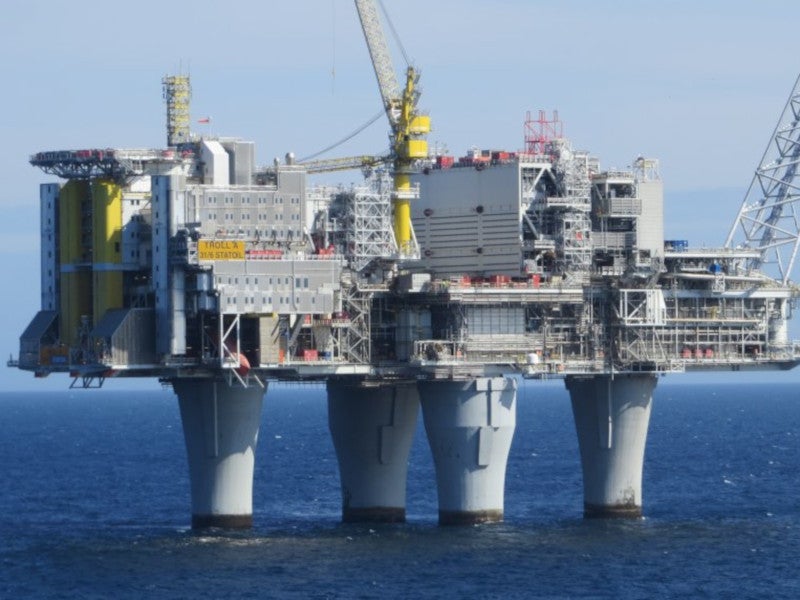
As traditional land-based oil becomes harder to find, Russia has turned to the “Blue Frontier”—the massive, icy waters of the Arctic and Far Eastern seas. To get oil from the ocean floor, Russia uses incredible technology like the Prirazlomnaya, the world’s first ice-resistant stationary platform.
This giant structure is built to survive temperatures as low as -50°C and can withstand the crushing force of drifting ice. Below the water, Russia uses Subsea Production Systems that place drilling equipment directly on the seabed.
This allows them to pump oil through heated pipelines so it doesn’t freeze in the deep, freezing currents of the Arctic.In terms of scale, Russia’s total liquid fuel production is roughly 1.67 billion liters (10.5 million barrels) per day.
While most of this still comes from land, their offshore Arctic mining is growing fast. The export situation to Europe has changed drastically recently. While Russia used to send hundreds of millions of liters to Europe every day, that number has dropped by about 90% due to new trade rules.
Today, Europe only receives a small fraction—roughly 40 to 60 million liters per day—mostly through pipelines to a few specific countries. The rest of this massive oceanic harvest is now sent to markets in Asia.
If Russian gas and oil were to face a total disruption today, Europe would experience a major “energy shock.” Even though Europe has found other suppliers like the US and Norway, a sudden stop would cause global energy prices to jump by nearly 70%.
This would make electricity, heating, and groceries much more expensive for everyone. Many large factories that make things like glass and steel would have to slow down or close because they wouldn’t have enough affordable power to keep their machines running.
It is important to remember that the oil mined from the ocean floor isn’t just for cars and heating. It is used to make over 6,000 different products that we use every day. Beyond gasoline and diesel, petroleum is a key ingredient in medicines like aspirin, electronics like smartphone cases, and even clothing made of polyester.
It is also used to create the fertilizers that help grow food, the plastic for heart valves in hospitals, and the synthetic rubber in the tires of every bike and car on the road.