Africa’s Economic Titans: The Top 10 GDP Performers of 2025
By Tendai Keith Guvamombe
The African economic landscape in 2025 reflects a continent in transition, characterized by a mix of traditional resource-heavy giants and rapidly diversifying emerging markets.
According to recent projections from the IMF and regional economic trackers, South Africa has reclaimed its position as the continent’s largest economy, leading a pack of nations that are increasingly looking beyond raw materials to sustain growth.
The Powerhouses of the South and North
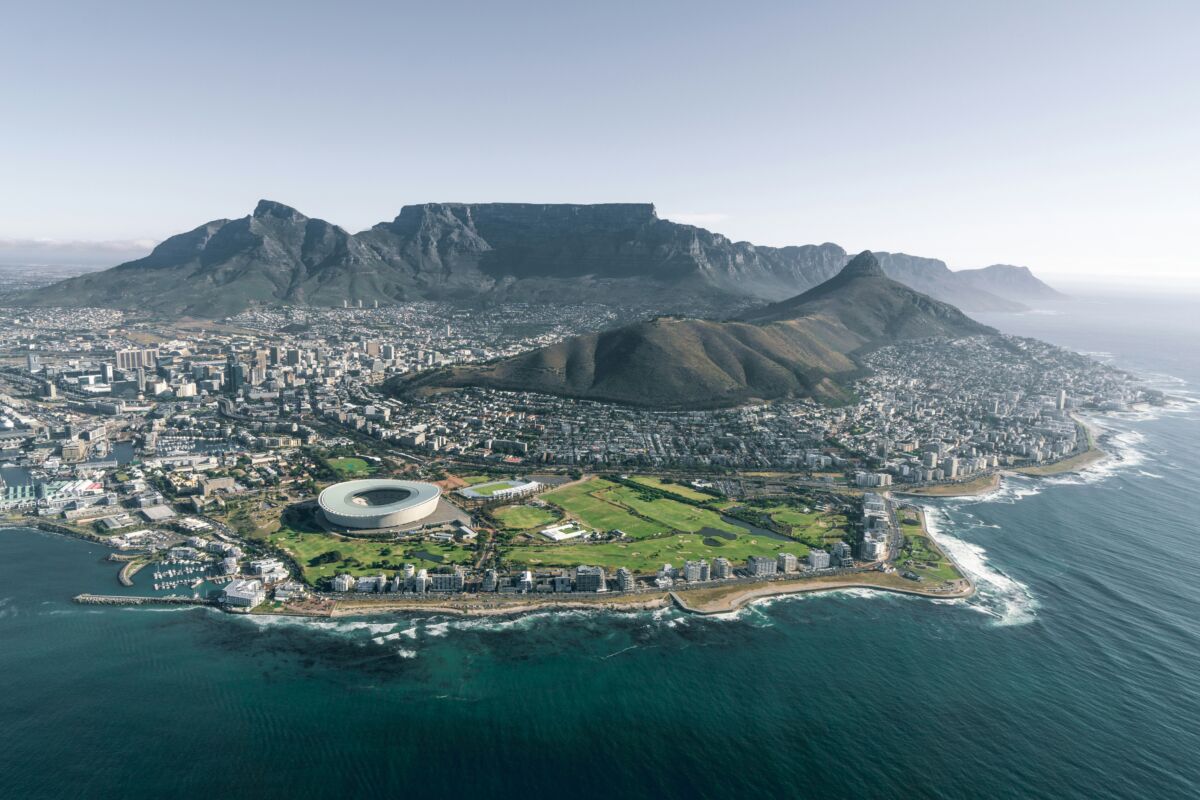
With a nominal GDP of approximately $410.34 billion, South Africa remains the industrial and financial heart of the continent. Its dominance is rooted in a highly sophisticated services sector, advanced manufacturing, and a world-class extractive industry.
However, its lead is tempered by domestic hurdles, including energy instability and high youth unemployment, which necessitate urgent structural reforms.
Following closely is Egypt, with a GDP of $347.34 billion. Under its ambitious “Vision 2030” plan, Egypt has utilized aggressive currency reforms and massive infrastructure investments to attract international capital. Despite grappling with high inflation, its strategic location and burgeoning digital economy have solidified its place as a regional leader.
Algeria rounds out the top three at $268.89 billion, a ranking sustained by its vast hydrocarbon reserves, though the nation faces increasing pressure to diversify as the global energy market shifts.
Nigeria’s Recalibration and the Rise of Morocco
Nigeria, once the undisputed leader, now sits at fourth with a GDP of $188.27 billion. While a massive domestic market and a thriving “Nollywood” creative sector provide a strong foundation, currency volatility and infrastructure deficits have slowed its momentum.
Interestingly, its current figures reflect a statistical rebasing that more accurately captures the informal and digital sectors, highlighting a massive, albeit under-regulated, economic capacity.
Meanwhile, Morocco ($165.84 billion) has emerged as a blueprint for stability and industrialization. By positioning itself as a “gateway to Europe” and investing heavily in automotive manufacturing and renewable energy, Morocco has created one of the most resilient investment climates on the continent.
Regional Hubs and Resource Wealth
The mid-tier rankings are dominated by East African stars Kenya ($131.67 billion) and Ethiopia ($117.46 billion). Kenya’s strength lies in its status as a fintech and telecommunications hub, while Ethiopia is betting on massive hydropower projects to fuel its industrial parks.
The list is completed by Angola ($113.34 billion), Côte d’Ivoire ($94.48 billion), and Ghana ($88.33 billion). While Angola remains vulnerable to oil price fluctuations, Côte d’Ivoire and Ghana represent a new wave of West African growth driven by cocoa exports, mining, and improving political stability.
As the African Continental Free Trade Area (AfCFTA) matures, these ten nations are expected to lead the charge toward a more integrated and technologically advanced African economy.