Investment Under Fire: Botha Gold Mine Defends Decade-Long Operations Against New Claims
Staff Correspondent
Beyond the Surface: The Complex Legal Battle Over Bindura’s Mining Lease 21
A developing legal confrontation between Botha Gold Mine (operated by Side Electrical Private Limited) and Freda Rebecca Gold Mine has highlighted the intricacies of Zimbabwean mining law, shifting the narrative from a simple case of encroachment to a profound dispute over historical land abandonment.
While initial reports framed the conflict as a direct trespass by Botha Gold Mine, recent court filings and historical records suggest a much more layered reality involving Mining Lease 21.At the heart of the matter is the status of the lease itself.
Originally issued to Cluff Resources in 1996 and later ceded to Ashanti Gold Fields, historical documentation indicates that Ashanti applied to abandon the lease, effective February 28, 2001.
Under Section 156(3) of the Mines and Minerals Act, once an abandonment is recorded, the ground does not automatically revert to a former holder’s exclusive control. Botha Gold Mine contends that Freda Rebecca has omitted these abandonment records to gain a narrative advantage, relying instead on survey diagrams that predate the 2001 cancellation.
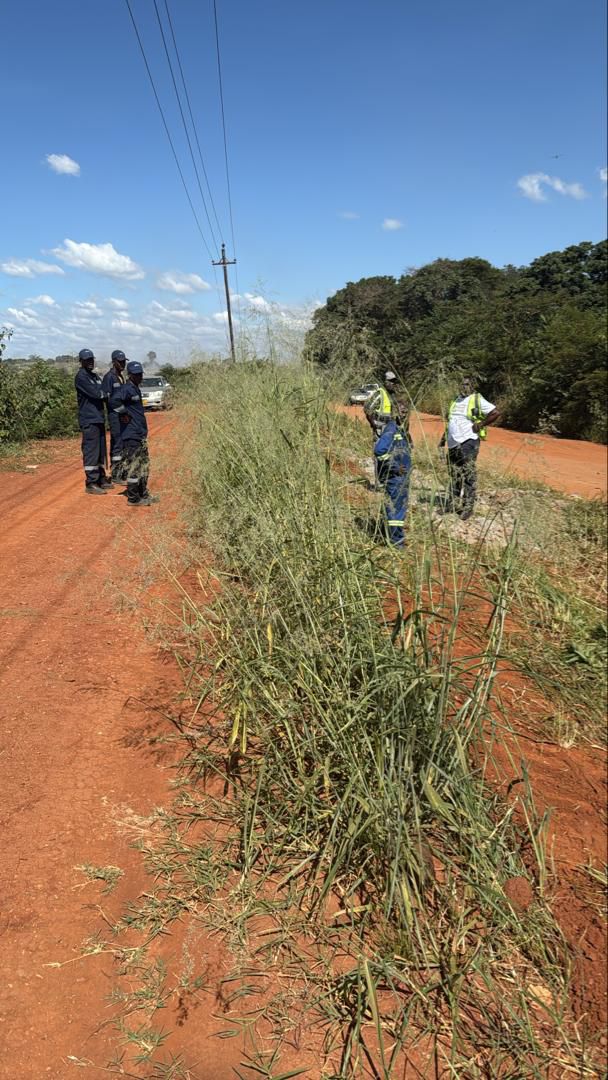
The judiciary has already been forced to intervene. Following an incident on February 12, 2026, where individuals and police allegedly seized control of the site, Botha Gold Mine sought urgent relief.
The High Court subsequently issued a spoliation order (HC 653/26), restoring possession to Botha Gold Mine. This ruling upholds the principle that parties cannot resort to “self-help” or extrajudicial seizures to settle property disputes.
The complexity is further deepened by corporate shifts and new agreements. A Project Management Agreement for the Phoenix Prince area was executed in late February 2026, involving a former General Manager of Botha Gold Mine.
This has raised significant questions regarding corporate governance and whether such agreements comply with the Public Entities Corporate Governance Act.
Beyond the legal technicalities, the stakes are economic. Botha Gold Mine has operated in the district for over a decade, supporting thousands of livelihoods through artisanal contractors and a lawful processing plant.
As the case moves forward, the resolution will hinge on four pillars: the legal finality of the 2001 abandonment, the accuracy of historical survey coordinates, the validity of competing possession claims, and the transparency of recent commercial contracts.
For now, the High Court’s intervention ensures that operations continue while the authorities untangle a quarter-century of administrative history.