By Caroline Washaya Moyo
Harare’s drive to modernise its infrastructure is facing a critical test, with concerns over water supply, sanitation and the utilisation of newly developed trading facilities exposing persistent weaknesses in municipal management and service delivery.
A Joint Ministerial Tour of Projects in Harare Metropolitan Province today brought these challenges into focus, particularly at Mbare Musika, where reported shortages of running water, blocked ablution facilities and the underutilisation of a recently commissioned market hub raised questions about the City of Harare’s capacity to maintain public infrastructure and deliver essential services.
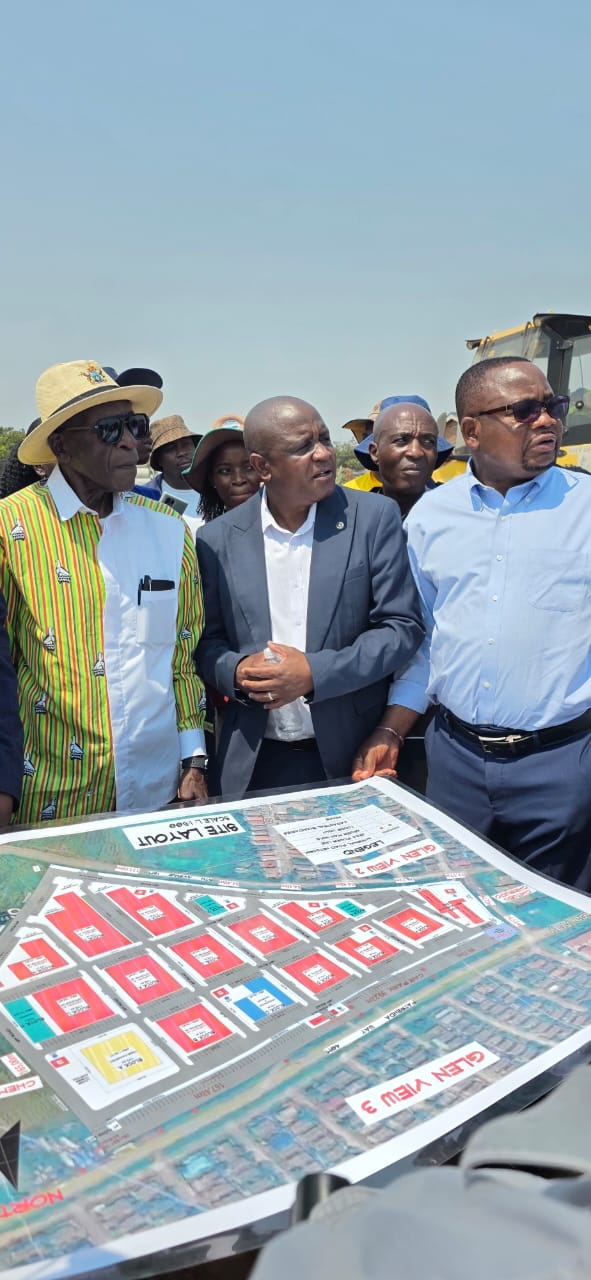
The tour was led by the Minister of State for Provincial Affairs and Devolution for Harare Metropolitan Province, Senator CZ Tawengwa, and the Acting Minister of Information, Publicity and Broadcasting Services, Professor L. Mavhima, who also serves as Minister of Housing and Social Amenities.
The concerns highlight a fundamental challenge in Zimbabwe’s development agenda: infrastructure investment must be matched by effective management, reliable utilities and accountability if it is to deliver meaningful economic and social benefits.
As the country pursues its National Development Strategy 2 (NDS2) and Vision 2030 ambitions, the state of public facilities in the capital raises questions about how investment can translate into improved living conditions, stronger businesses and more efficient urban services.
NEW MARKET HUB, OLD OPERATIONAL CHALLENGES
The Mbare Mukambo Musika Market Hub, commissioned by President Dr Emmerson Dambudzo Mnangagwa, was established to modernise trading infrastructure, improve the operating environment for informal traders and small-scale businesses, and bring greater organisation to one of Harare’s busiest commercial centres.
However, despite the investment, some trading tables reportedly remain unoccupied, raising concerns about whether the facility is achieving its intended economic objectives.
Traders have reportedly cited rental charges imposed by the local authority and restrictions on the types of products permitted for sale as factors affecting their ability or willingness to operate from the new market.
The situation presents a challenge for both the City of Harare and its private-sector partners, who must ensure that the facility remains commercially viable while accommodating the needs of the traders it was designed to serve.
At the commissioning of the market hub, President Mnangagwa emphasised the importance of affordable rentals and full utilisation of the facility.
The reported occupancy challenges therefore raise questions about the implementation of those expectations and whether the current operating arrangements are sufficiently responsive to the realities of informal and small-scale businesses.
Affordable and transparent rental structures, clear trading regulations and sustained engagement with traders could help improve occupancy and strengthen the market’s contribution to the local economy.
The success of the project should ultimately be measured not only by the construction of modern facilities, but also by the number of traders benefiting from them, the economic activity they generate and their contribution to livelihoods.
MINISTER QUESTIONS MANAGEMENT AND MAINTENANCE
The condition of the facilities visited during the tour also brought municipal maintenance and accountability under scrutiny.
At Mbare Musika, reported problems involving water supply and blocked ablution facilities raised concerns about the management of essential services in a public trading centre that serves large numbers of traders, commuters and other members of the public.
Senator Tawengwa expressed dissatisfaction with the state of the facilities, questioning why basic maintenance problems had been allowed to persist.
“This is incompetence and should not be left like this. Just a simple thing of managing and maintaining a facility,” the Minister of State said.
The remarks highlight the importance of routine maintenance, effective supervision and timely responses to service delivery problems.
Water and sanitation are fundamental requirements in a busy commercial environment. Their failure affects public health, the dignity of traders and customers, and the overall attractiveness of the market as a place to conduct business.
Such challenges also raise questions about the systems used by the local authority to identify infrastructure faults, allocate maintenance resources and ensure that responsible departments respond promptly.
While investment in new infrastructure is necessary, the failure to maintain existing facilities can erode the value of those investments and increase the long-term cost of restoring deteriorating public assets.
The ministerial tour has consequently drawn attention to the need for stronger municipal management systems that prioritise maintenance, establish clear lines of accountability and ensure that essential services remain functional.
THE GAP BETWEEN INVESTMENT AND SERVICE DELIVERY
Harare’s experience reflects a broader development challenge in which infrastructure projects must be supported by the institutional capacity and resources required to operate them effectively.
Modern markets, public buildings and other urban facilities can create opportunities for economic growth, but their contribution depends on reliable utilities, sound management and operating arrangements that meet the needs of their intended users.
For traders at Mbare Musika, the immediate concerns are practical: access to water, functioning sanitation facilities, affordable trading space and clear rules governing their businesses.
Addressing these issues would improve the working environment while supporting the informal economy, which provides livelihoods for many households and plays an important role in the distribution of goods and services.
The City of Harare and its partners therefore face the task of ensuring that the market hub operates as intended, while also addressing the wider maintenance challenges affecting public facilities.
This requires more than reactive interventions during official visits. Consistent monitoring, routine inspections, adequate maintenance budgets and clear accountability mechanisms are essential to sustaining service delivery.
The broader objective should be to ensure that infrastructure investment produces visible improvements in the daily experiences of residents and businesses.
HARARE’S SUNSHINE CITY AMBITION UNDER SCRUTINY
Harare has long carried the ambition of reclaiming its reputation as the Sunshine City. Achieving that goal requires more than constructing modern facilities or launching urban renewal projects.
It calls for reliable water supplies, functioning sewerage systems, regular refuse collection, clean public spaces and a municipal administration capable of maintaining infrastructure and responding effectively to residents’ needs.
Mbare Musika is a significant test of that ambition because of its importance to the capital’s commercial activity and informal economy. Improving conditions at the market could support livelihoods, strengthen small businesses and enhance the wider commercial environment.
However, persistent service delivery failures and underutilised infrastructure risk weakening public confidence and limiting the economic returns from investment.
The ministerial tour has placed these concerns firmly on the development agenda, highlighting the need to align local authority performance with national priorities for infrastructure development, economic growth and improved public services under NDS2.
For Harare, the challenge is to ensure that new projects are supported by effective management, while existing facilities receive the attention required to remain functional, clean and accessible.
As Zimbabwe advances towards its Vision 2030 ambitions, the performance of local authorities will remain an important factor in determining whether infrastructure development translates into sustainable economic and social progress.