
By Caroline Washaya Moyo
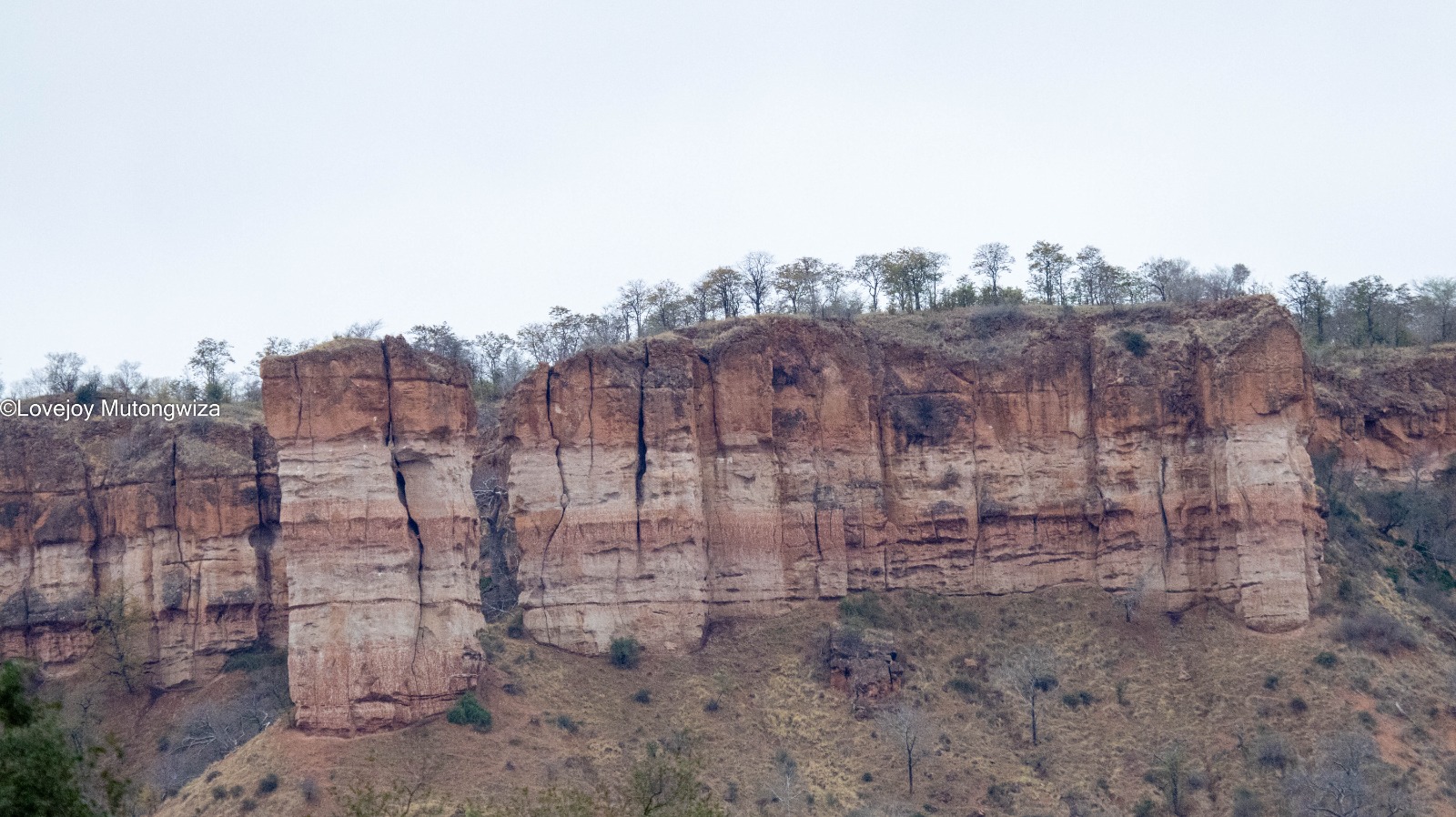
Gonarezhou National Park, home to Zimbabwe’s iconic Chilojo Cliffs and one of the country’s most significant wildlife landscapes, is moving closer to potential inscription on the UNESCO World Heritage List after Zimbabwe Parks and Wildlife Management Authority (ZimParks) submitted its application to the UNESCO World Heritage Centre.
The application for tentative listing was submitted in 2022, while the acceptance letter was delivered to ZimParks in December 2025, paving the way for the authority to proceed with the detailed dossier and pursuing of the requisite upstream process required for consideration of Gonarezhou as a World Heritage Site.
ZimParks is now working on the dossier, which will provide the scientific, ecological/ environmental and conservation evidence required to demonstrate the park’s potential Outstanding Universal Value under the 1972 World Heritage Convention.
ZimParks Protected Area Planning Manager and Focal Point for the 1972 World Heritage Convention, Courage Mutema, said the committee considering the nomination would assess a range of natural and ecological attributes that defines the intergrity of the property.
Among the factors to be considered are the park’s natural aesthetic values, evidence of ongoing natural geomorphic and geological processes, endemism of species, freshwater river systems and the presence of the Big Five.
Gonarezhou, which forms part of the Great Limpopo Transfrontier Conservation Area (GLTFCA), is renowned for its expansive wilderness, diverse wildlife and distinctive landscapes, with the Chilojo Cliffs standing among its most recognisable geological features.
The potential UNESCO designation among other multi internationally recognised designations, National Park and TFCA status could significantly raise the international profile of Gonarezhou while strengthening conservation, research, tourism and sustainable development opportunities around the park.
World Heritage status is granted to places considered to possess Outstanding Universal Values, meaning their cultural or natural importance is regarded as exceptional and significant beyond national boundaries. Inscribed properties are obliged, by UNESCO Operational Guidelines to preserve the Outstanding Universal Values which points to the maintenance of the property’s authenticity and intergrity.
For a natural site such as Gonarezhou, inscription can provide a stronger international platform for conservation and help mobilise technical expertise, partnerships and resources for protecting the site and its ecological systems.
The designation can also enhance tourism visibility by placing the destination on the global World Heritage map. Increased international recognition can support growth in visitor numbers, tourism investment, accommodation, guiding, transport and other services, provided tourism is managed sustainably.
Local communities can also benefit through increased economic activity and opportunities linked to tourism, conservation enterprises, employment, cultural and environmental education, and community-based natural resource management.
World Heritage status further places an obligation on the country to maintain the Outstanding Universal Value of the site, requiring strong conservation systems, monitoring and long-term management.
Mutema said ZimParks was also considering pursuing World Heritage status for Chimanimani National Park, potentially giving Zimbabwe another opportunity to showcase its exceptional natural heritage on the international stage.
The possible inscription of Gonarezhou would therefore build on Zimbabwe’s existing World Heritage portfolio while strengthening the country’s positioning as a destination for nature, wildlife and conservation tourism.
For Zimbabwe’s tourism sector, the initiative comes at a time when the country is seeking to broaden its tourism offering beyond established destinations and unlock the economic potential of its diverse natural assets.
If successfully inscribed, Gonarezhou would join a select group of globally recognised natural heritage sites, providing Zimbabwe with another powerful platform to promote its wilderness areas, attract international visitors and investors, support conservation and generate sustainable opportunities for communities living around protected areas.
Currently, Zimbabwe has five properties on the UNESCO World Heritage List. Two that are managed by ZimParks, are Victoria Falls, locally known as Mosi-oa-Tunya, meaning “the Smoke That Thunders”, and Mana Pools-Sapi-Chewore. The National Museums and Monuments of Zimbabwe (NMMZ) manages two cultural properties which are Great Zimbabwe Ruins and Khami Ruins. Matopo Hills landscape, a mixed site housing both natural and cultural attributes is co – managed by ZimParks and NMMZ.