
By Caroline Washaya Moyo
Government has approved increases in minimum pension benefits administered by the National Social Security Authority (NSSA), while enacting the Occupational Safety and Health Act No. 7 of 2026, in a move aimed at strengthening social protection, improving workers’ welfare and promoting safer working environments.
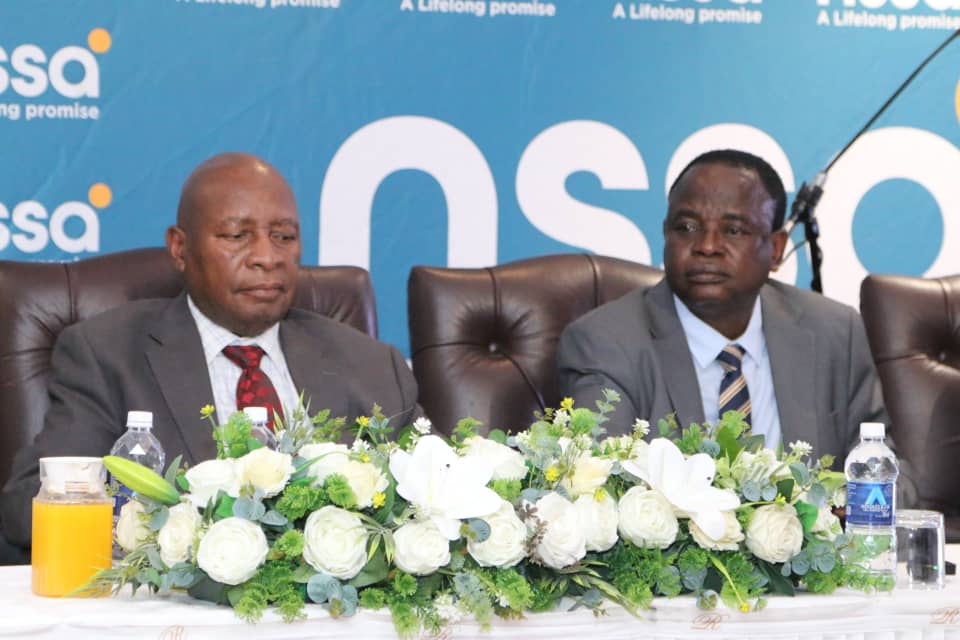
The measures were announced by the Minister of Public Service, Labour and Social Welfare, Honourable Edgar Moyo, during a media briefing held at Rainbow Towers Hotel in Harare on November 10, 2026.
Under the revised pension structure, the minimum retirement pension under the Pension and Other Benefits Scheme (POBS) has increased by 28.57 percent, from US$70 to US$90 per month.
The adjustment benefits approximately 262,000 beneficiaries under the scheme, which provides social security protection to members and their dependants.
Meanwhile, the minimum worker’s pension under the Accident Prevention and Workers Compensation Scheme has been increased by 30 percent, from US$100 to US$130 per month.
The scheme currently supports approximately 8,000 beneficiaries who are recovering from workplace injuries or living with occupational disabilities.
Minister Moyo said the revised benefits would be reflected in the November 2026 payroll, scheduled for November 13, with the increases backdated to October 2026.
He said the adjustments followed a statutory actuarial valuation which confirmed the financial health of the fund, enabling Government to approve the upward review.
The Minister said the increases reflected Government’s recognition of workers’ contributions throughout their productive lives and the need to ensure that retirement and social security benefits provide meaningful support and uphold human dignity.
He, however, emphasised the importance of maintaining the long-term sustainability of the social security system, noting that NSSA had a responsibility to prudently manage and invest contributors’ funds, preserve their value and generate sustainable returns.
Beyond improving income security for pensioners, Government has also strengthened the legislative framework governing workplace safety through the enactment of the Occupational Safety and Health Act No. 7 of 2026.
The legislation seeks to establish a comprehensive framework for promoting and regulating occupational safety and health across workplaces, while strengthening measures to prevent occupational injuries, diseases and fatalities.
Minister Moyo said the Act gives effect to the constitutional right to fair and safe labour practices and standards, while promoting a culture in which workplace safety and health are recognised as shared responsibilities.
The new legislation addresses four key areas, namely institutional strengthening and coordination, delineation of responsibilities, workplace regulation and oversight, as well as enforcement and accountability.
On institutional strengthening, the Act provides for the administration of the occupational safety and health system through structures that include the Occupational Safety and Health Department within NSSA, the Medical Bureau of Occupational Diseases and the Zimbabwe Occupational Safety and Health Advisory Council.
The Minister said the Occupational Safety and Health Department was already operational, with the new legislation providing a strengthened statutory framework for its functions.
The Act also clearly defines the responsibilities of employers, workers and other stakeholders, including designers, manufacturers, importers, suppliers and distributors.
This is intended to reinforce obligations to identify, prevent and manage workplace risks while ensuring shared accountability for maintaining safe and healthy working environments.
In terms of regulation and oversight, the legislation strengthens provisions relating to workplace registration and control, machinery safety, and the notification of occupational accidents and diseases.
It also provides for the appointment and powers of inspectors, workplace investigations, improvement and prohibition notices, as well as penalties for non-compliance.
Minister Moyo said these provisions would help shift the country from a largely reactive approach to workplace safety towards a stronger culture of prevention, compliance and accountability.
He emphasised that successful implementation of the Act would require the active participation of employers, workers, organised labour, business associations, regulatory institutions and other social partners.
“Safe workplaces are not only a legal obligation; they are also essential to productivity, business sustainability and national development,” he said.
The Minister said the two developments were aligned with the aspirations of Vision 2030 and the National Development Strategy 2 (NDS2), particularly in advancing social protection, human capital development, decent work and inclusive economic growth.
He called on NSSA, organised labour, business and other stakeholders to play their respective roles in ensuring that the reforms translate into tangible benefits for workers and pensioners.
Minister Moyo also urged the media to support Government in disseminating accurate and accessible information about the revised pension benefits and the provisions of the new workplace safety legislation.
He said public awareness was critical in ensuring that workers and employers understood their rights, responsibilities and the protections available to them.
The reforms underline the importance of protecting workers throughout their productive lives while ensuring financial security in retirement, strengthening workplace accountability and safeguarding the sustainability of Zimbabwe’s social security system for future generations.