
By Caroline Washaya Moyo
Zimbabwean auditors will now have an opportunity to practise in the United Kingdom without undergoing full requalification following the signing of a landmark mutual recognition agreement between Zimbabwe’s Public Accountants and Auditors Board (PAAB) and the United Kingdom’s Financial Reporting Council (FRC).
The agreement, signed in London on November 10, 2026, establishes reciprocal recognition of audit qualifications between the two countries, creating opportunities for appropriately qualified professionals to obtain audit practice rights in either jurisdiction.
Under the Memorandum of Understanding on Reciprocal Arrangements (MOURA), Zimbabwean auditors seeking to practise in the UK and British auditors wishing to work in Zimbabwe will no longer be required to repeat their professional qualifications, provided they meet the stipulated requirements.
The development marks international recognition of Zimbabwe’s audit qualification, professional education and regulatory framework, while strengthening professional cooperation and services trade between the two countries.
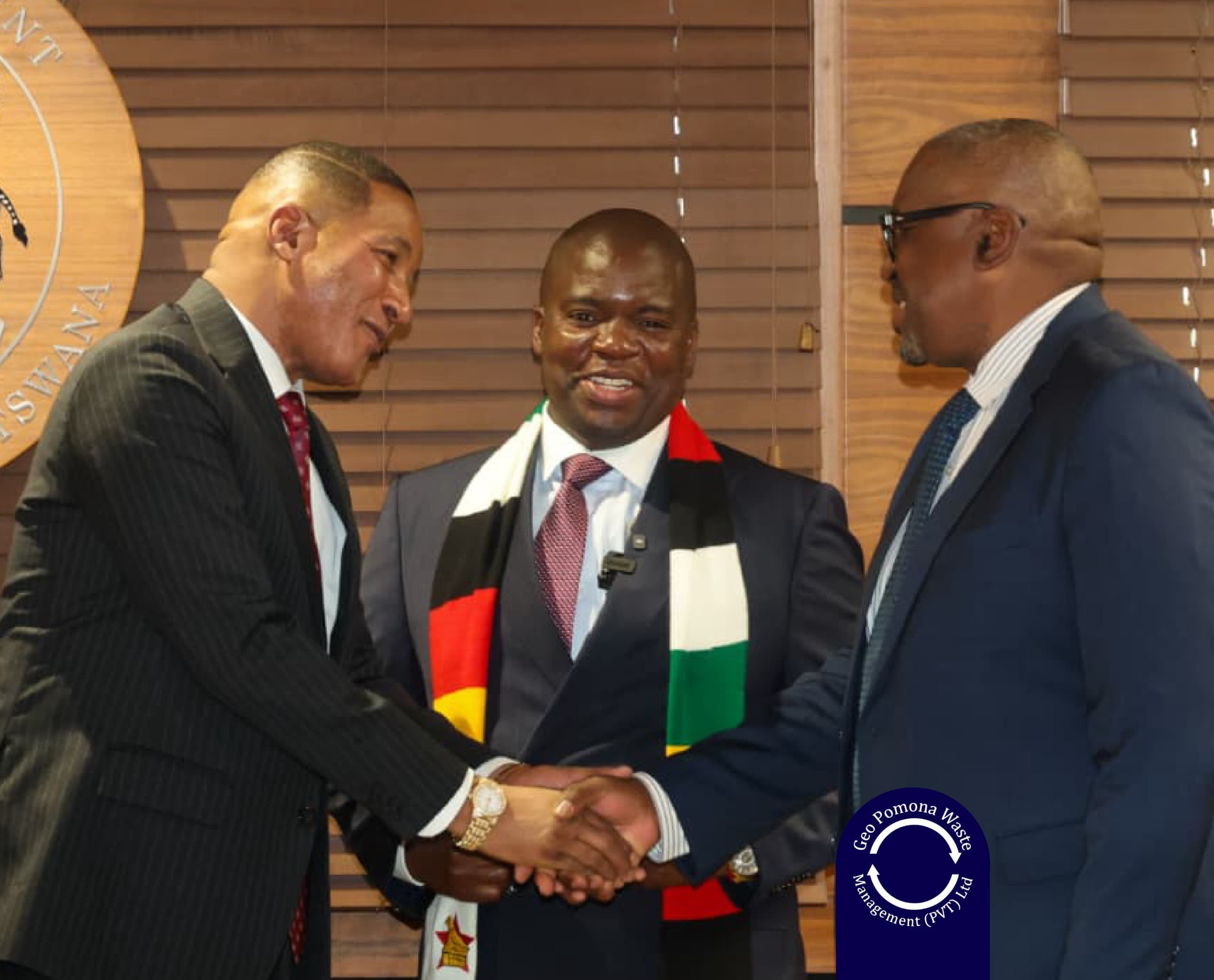
The agreement was signed by PAAB Secretary Mr Donald Mangenje and FRC Chief Executive Mr Richard Moriarty at a ceremony hosted by Lord Leong CBE, the UK’s Minister for Small Business and Enterprise, at the Department for Business, Innovation, Science and Trade.
Zimbabwe was represented at the ceremony by its Deputy Ambassador to the United Kingdom, Mr Levi Upenyu Mukono.
Meanwhile, PAAB hosted a parallel event at its offices in Harare, attended by representatives of Government, the Institute of Chartered Accountants of Zimbabwe (ICAZ), the Association of Chartered Certified Accountants (ACCA), and leaders from the accountancy profession and business community.
The reciprocal arrangement follows a detailed assessment by both regulatory authorities of their respective audit qualifications, professional education and training systems, as well as regulatory oversight mechanisms.
The assessment established that the two countries’ systems provide equivalent assurance of professional competence and uphold the standards required to practise as auditors.
However, professionals seeking recognition will still be required to pass an aptitude test covering the tax and legal requirements of the country in which they intend to practise. They must also join the relevant professional body in that jurisdiction.
The agreement therefore removes the requirement for full requalification while maintaining country-specific professional and regulatory safeguards.
For Zimbabwe, the arrangement is expected to expand opportunities for local auditors to access the UK market, while creating a pathway for Zimbabwean professionals already working in the diaspora to practise at a level commensurate with their qualifications.
It is also expected to widen the pool of qualified auditors available to businesses in both countries, supporting professional mobility, cross-border investment and confidence in financial reporting.
Speaking after the signing, Mr Mangenje said the agreement followed extensive assessments by both regulators and confirmed the standing of Zimbabwe’s audit qualification and regulatory system against internationally recognised standards.
He said the development was a strong endorsement of the country’s accountancy profession and the institutions responsible for training and regulating auditors.
Mr Mangenje added that the agreement would provide Zimbabwean auditors with an opportunity to practise in the UK without requalifying, while enabling professionals in the diaspora to maintain pathways for contributing their expertise back home.
FRC Chief Executive Mr Moriarty said the agreement expanded opportunities for British audit firms to export their services globally while maintaining the standards expected by investors and audit committees.
He said the arrangement would also increase access to professional talent and contribute to improving audit quality.
Lord Leong said the agreement represented an important step towards strengthening services trade between Zimbabwe and the United Kingdom.
He said it supported the British Government’s commitment to growing its professional business services sector while reflecting the two countries’ shared commitment to high professional audit standards.
Mr Mukono described the agreement as a practical expression of Zimbabwe’s Engagement and Re-engagement Agenda, noting that it moved relations between the two countries beyond dialogue towards institutional cooperation.
He said the arrangement was particularly significant for Zimbabwean accountants and auditors living and working in the United Kingdom, as it provided a clearer pathway for them to practise in line with their professional qualifications while keeping opportunities open for contributing to Zimbabwe’s development.
The agreement does not, however, alter existing visa and immigration requirements in either country.
The two regulators will review the arrangement at least once every five years to ensure that the standards and conditions underpinning mutual recognition remain relevant.
PAAB is also pursuing regional efforts towards mutual recognition within the Southern African Development Community (SADC) and intends to explore similar arrangements with other jurisdictions.
Established under the Public Accountants and Auditors Act [Chapter 27:12], PAAB is Zimbabwe’s statutory regulator of the accountancy profession. Its mandate includes registering public auditors and accountants, issuing practising certificates, monitoring professional training and examinations, and enforcing ethical and disciplinary standards.
The UK’s Financial Reporting Council regulates auditors, accountants and actuaries, and is responsible for promoting high standards of corporate reporting, audit and governance.
The agreement is expected to strengthen the international mobility of Zimbabwean accounting professionals while reinforcing the country’s efforts to position its professional services sector within regional and global markets.