Tendai Keith Guvamombe
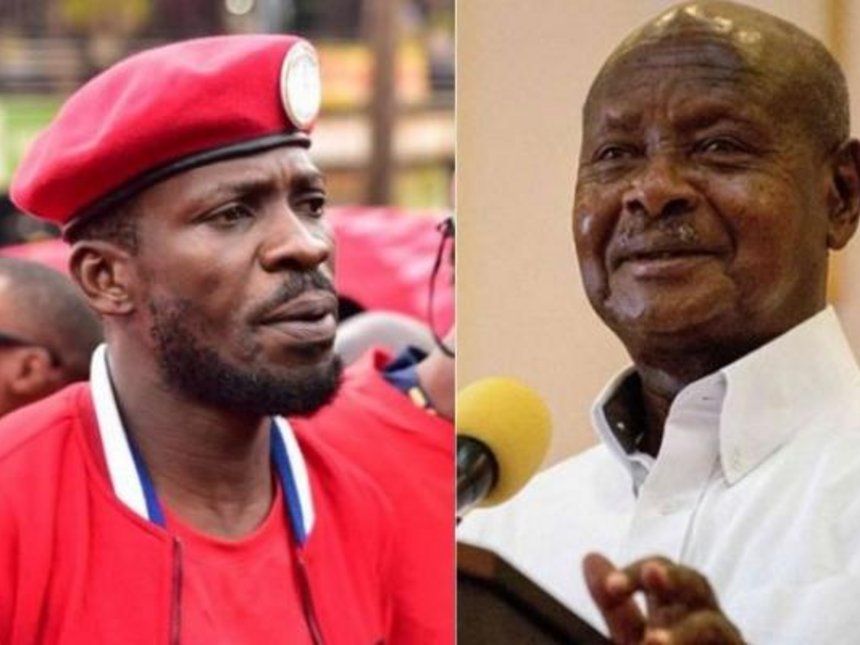
The political landscape in Uganda remains deeply fractured following the general elections held on January 15, 2026. President Yoweri Museveni, 81, was officially declared the winner by the Electoral Commission on Saturday, January 17, securing a seventh term with 71.65% of the vote.
While Museveni’s supporters celebrated a victory that extends his four-decade rule into a fifth decade, the opposition has flatly rejected the results, plunging the nation into a period of heightened uncertainty and security clampdowns.
The aftermath of the vote has been marked by a significant crackdown on dissent.
Bobi Wine, the primary challenger who officially garnered 24.72% of the vote, remains in a precarious position. After reports of a military raid on his compound on Friday, Wine stated that he was forced to flee and has since been in hiding, although police have denied a raid occurred.
Meanwhile, over 100 members of his National Unity Platform (NUP) were brought before courts in Kampala on Monday, January 19, facing various charges related to “unlawful assembly” and “possession of election materials,” a move the opposition describes as a targeted campaign of intimidation against their polling agents.
Digital and physical controls have also defined the post-election atmosphere. While the government partially restored internet services on Saturday evening, a strict ban on social media remains in effect, with the Uganda Communications Commission justifying the restriction as a measure to prevent “incitement and misinformation.”
On the ground, the military maintains a heavy presence in the capital. While the streets of Kampala appeared calmer by Monday, the human cost of the election period has been significant, with reports indicating that at least ten people were killed in clashes between security forces and protesters since the polls closed.
Internationally, the election has drawn mixed reviews. While African Union observers characterized the voting day as peaceful, they expressed grave concerns over the internet shutdown and the “reports of abductions” that marred the campaign.
President Museveni has remained defiant, using his victory speech to label his opponents as “traitors” and “terrorists.” As the NUP prepares to challenge the results in court—likely citing the widespread failure of biometric voter kits—Uganda enters 2026 as a country where the “old guard” has tightened its grip, even as a youthful population continues to clamor for change.