

By International Correspondent
Around 3:30 a.m. on June 27, 2024, Rico Sempurna Pasaribu and three of his family members were murdered when their home in the Sumatran town of Kabanjahe was doused with gasoline and set on fire.
News spread quickly when it became clear the target of the attack was a journalist with news site Tribrata TV who had recently reported on illegal gambling allegedly involving a member of the Indonesian National Armed Forces (TNI). In the days following the arson, journalists and human rights groups demanded a thorough and transparent investigation amid reports that Pasaribu was threatened over his reporting beforehand.
Nine months later, three suspects were convicted and ultimately sentenced to life for premeditated murder. But even though the three perpetrators are in prison, full justice remains elusive for Pasaribu’s family. Ahead of the two-year anniversary of the journalist’s murder, a joint investigation by the Committee to Protect Journalists (CPJ) and Free Press Unlimited (FPU) — drawing on hundreds of pages of court documents, military investigation files, witness testimonies, and interviews with key individuals — has found major shortcomings in the official case.
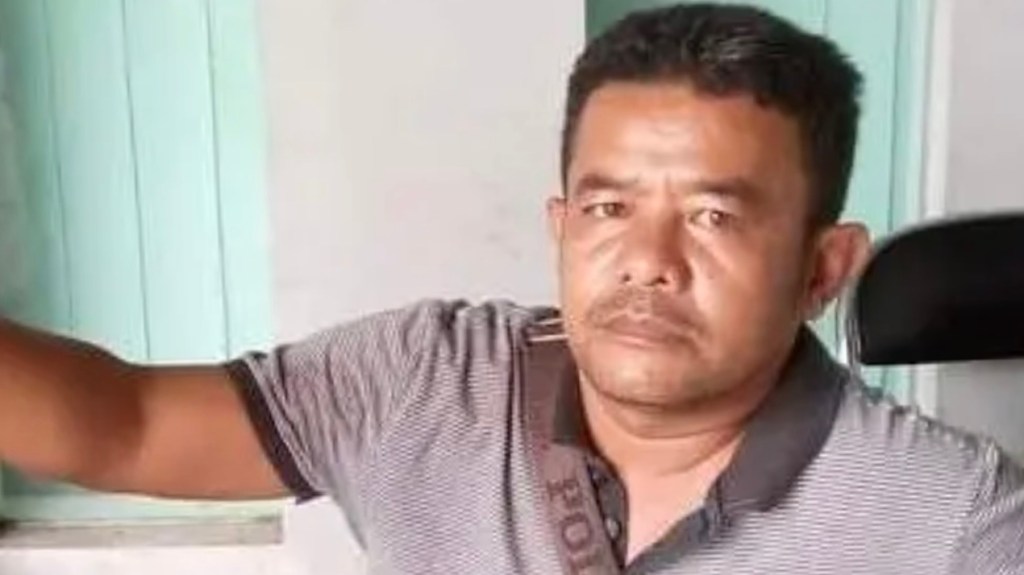
First, authorities did not thoroughly investigate the alleged involvement of a soldier, Cpl. Herman Bukit, in the murder. Substantial evidence connects Bukit to the illegal gambling business at the heart of the case, to meetings with the principal perpetrator Bebas Ginting, and to pressure Pasaribu faced for his reporting. Yet investigators never questioned Bukit as a suspect or used investigative methods such as digital forensics or financial analysis to ascertain the extent of his connections with the victim and perpetrators. Called as a court witness, Bukit testified that he did not own the gambling business Pasaribu reported on, and he did not have a close relationship with the perpetrators.
A military investigation cleared Bukit of allegations that he was involved in the murder, but this joint report reveals significant flaws in that inquiry. The investigation contained contradictory evidence, lacked transparency, and took an excessively narrow approach that would only acknowledge Bukit’s involvement if there were witnesses who directly saw or heard him order Ginting to burn down Pasaribu’s house.
Second, authorities neglected to recognize Pasaribu’s status as a journalist or to investigate threats connected to his reporting on illegal gambling in Kabanjahe. Before he was killed, Pasaribu received threats and takedown demands over his gambling coverage and had expressed serious concerns about his safety, including to a police officer. But the official court files and public police statements show that authorities never sought to pursue these as avenues for inquiry.
Given the case’s many shortcomings, there are serious questions about whether all of the individuals who may have played a role in ordering, paying for, or orchestrating the murder have been properly investigated.
“The brutal murder of journalist Rico Sempurna Pasaribu and his family is a heinous crime. It adds to long-standing concerns about journalists’ safety, and that Indonesia’s military justice system is failing to deliver accountability. Indonesian authorities must now reopen the investigation into Pasaribu’s murder and try any military personnel involved in a civilian court. Impunity for crimes against journalists has no place in a democracy like Indonesia.”Beh Lih Yi, CPJ’s Asia-Pacific director
Pasaribu’s murder highlights Indonesia’s poor record in ending impunity in cases of violence against journalists — especially when members of security forces are alleged to be involved. Since 1992, 14 journalists have been killed in Indonesia, and eight of the nine cases in which journalists have been murdered in direct reprisal for their work have resulted in partial or complete impunity. Impunity has become entrenched worldwide, with four out of five killers of journalists getting away with murder. If anyone is held accountable, it is usually those who are paid to do the job — and rarely the masterminds.