

Tendai Keith Guvamombe
In an economic landscape often marked by volatility and the persistent memory of past inflationary cycles, the challenge of preserving the long-term value of savings is more pressing than ever. Fidelity Life Assurance is addressing this challenge by shifting the traditional insurance paradigm—moving beyond purely financial instruments to anchor policyholder contributions in tangible, appreciating assets.
By prioritizing real estate development, the company is establishing a strategic hedge against economic instability, ensuring that the savings entrusted to them are not only shielded from the erosive effects of hyperinflation but are actively cultivated to grow over time.
A Strategy Rooted in Economic Resilience
The rationale for this move is grounded in the necessity of stability. In environments where currency values can fluctuate rapidly, physical land and high-quality infrastructure offer a store of value that is inherently more resistant to external shocks. For the policyholder, this shift represents a move toward “hard-asset backing,” where premiums are directed into property developments that serve the real needs of the Zimbabwean housing market.
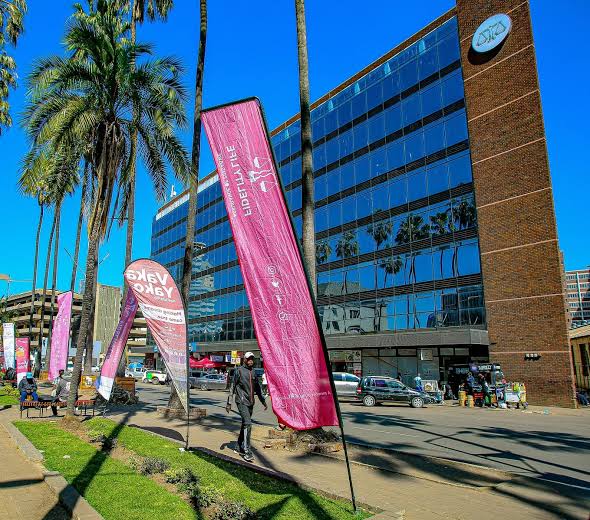
This transformation of premium income into land development serves a dual purpose: it mitigates the risks associated with monetary devaluation and generates consistent long-term wealth through the appreciation of property portfolios.
Strategic Infrastructure and Flagship Developments
Fidelity Life’s portfolio is built on a foundation of high-impact projects designed to bridge the national housing gap while providing secure, high-utility assets:
- Southview Park: A cornerstone of the company’s infrastructure-led growth, this project features 5,800 fully serviced stands. The development has been bolstered by significant capital expenditure, including a 10-megalitre ground reservoir, an elevated 1-megalitre tank, and a 9km high-capacity pipeline, creating a self-sustaining community that stands as a model for modern residential investment.
- Manresa Park: As a premier flagship development, Manresa provides low-to-medium density housing. By focusing on quality and location, the project ensures a sustainable return for policyholders, positioning itself as a benchmark for high-value residential living.
- Selborne Park (Bulawayo): Completed in 2025, this project offers 56 residential stands. Designed as a tranquil cluster community, it has quickly become a sought-after location for investors looking for stability in the second-largest city.
Expanding the National Footprint: The Vaka Yako Initiative
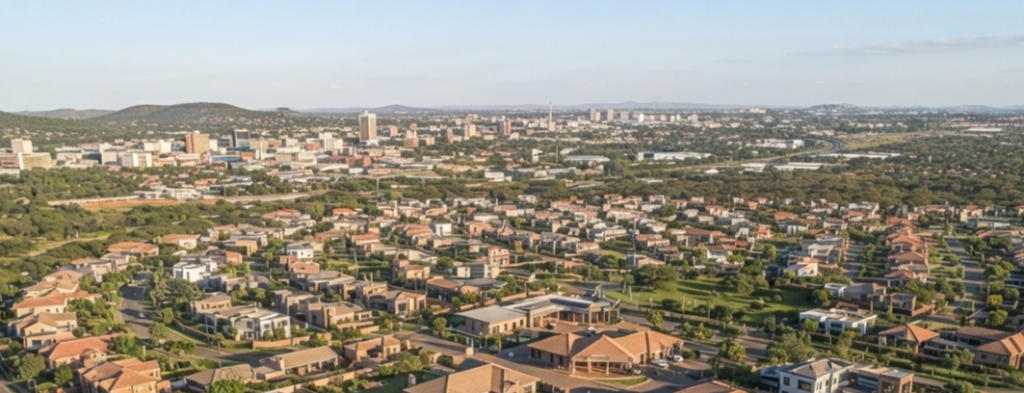
Beyond its flagship projects, the Vaka Yako (“Build Your Own”) initiative serves as a national landbank, ensuring that the benefits of real estate investment are distributed across diverse locations and sectors. This expansion strategy includes:
- Residential Expansion: High-density projects in areas such as Stoneridge, Kadoma, and Gweru, alongside medium-density opportunities in Isinga and Selbourne.
- Specialized Housing: Premium cluster unit developments in Greendale, catering to the growing demand for modern, secure community living.
- Diversified Mixed-Use Development: The Murehwa project illustrates the company’s evolution, integrating essential retail, medical, and service infrastructure—including a supermarket, pharmacy, and filling station—into a single development hub, effectively diversifying risk and securing future rental and commercial yields.
Building for the Long Term
This movement into real estate represents a commitment to the enduring financial security of the policyholder. By diversifying into residential, commercial, and utility-based infrastructure, the company is moving away from the vulnerabilities of purely cash-based investments.
For the policyholder, the message is clear: insurance is no longer just about a contract for the future; it is about owning a stake in the built environment of the present. As these developments continue to mature, they offer a viable, robust strategy to withstand the uncertainties of the market and ensure that long-term savings retain their power to provide for the families and individuals who rely on them.