By Tendai Keith Guvamombe
GENEVA — Across the globe, passenger transport powers the $10 trillion tourism economy, moving billions of travelers by air, land, and sea. Yet, behind the steering wheels, flight decks, and executive suites of this vital sector lies a stark reality: women are systematically locked out.
A groundbreaking study, The Global Report on Women in Tourism Transport—jointly released by UN Tourism and the International Transport Workers’ Federation (ITF)—offers the first global, sex-disaggregated evidence base examining women’s roles across passenger transport. The findings paint an undeniable picture of an industry acutely dominated by men, hindered by deep-seated legal, cultural, and structural barriers.
The Data: A Sharp Gender Imbalance
While women represent a significant portion of the overall tourism workforce, their presence plummets in technical, driving, and leadership positions within the transport sector. Data across reporting nations reveals startling gaps:
- Aviation: Women comprise 36% of the total aviation workforce, but hold a mere 6% of pilot roles, leaving men overwhelmingly in command of flight decks and executive seats.
- Land Transport: Accounting for 96% of all tourism transport workers, land passenger transport features the lowest female representation, with women making up just 3% of the workforce.
- Maritime & Waterways: Women account for only 12% of water passenger transport workers, facing massive gaps in managerial and technical capacities.
Underpinning these dismal numbers are critical issues regarding safety, sanitation, and basic workplace rights. Alarmingly, one in five countries worldwide still lacks legal protections against workplace harassment, leaving female transport workers uniquely vulnerable.
From Evidence to Action
Rather than allowing the report to gather dust, UN Tourism and the ITF have signed a concrete three-year work plan to execute the report’s Action Plan for Women in Tourism Transport. The initiative aims to partner with governments, trade unions, and private industry to enforce gender-responsive policies, upgrade working conditions, and expand training pipelines.
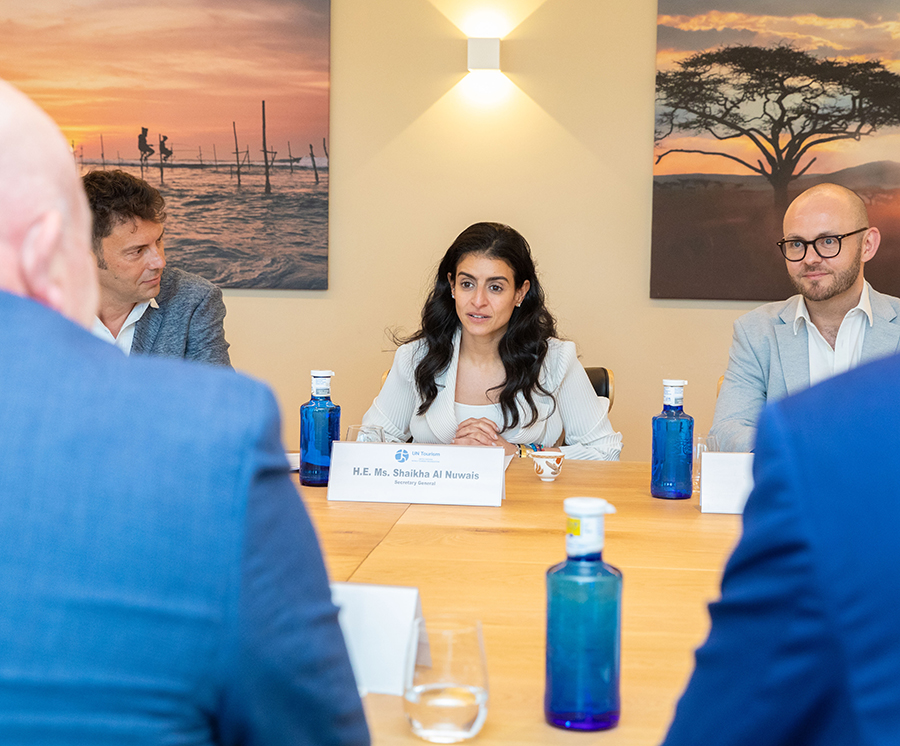
”Tourism is meant to connect people and open doors. Yet in every part of tourism transport, too many doors remain closed to women,” noted UN Tourism Secretary-General Shaikha Al Nuwais. “This report gives us the data to act with precision, not good intentions alone. Our responsibility now is to ensure that the women who keep this industry moving are also able to help lead it.”
Echoing this sentiment, ITF General Secretary Stephen Cotton emphasized that the publication marks a crucial turning point. “Launching this report is not the end of the story, it is the beginning,” Cotton stated. “ITF and UN Tourism have made a joint commitment to work with governments, employers, unions and industry partners to tackle the inequalities that persist across tourism transport. Our focus now is turning evidence into action.”
As global travel continues to evolve, dismantling these systemic barriers will no longer be viewed as merely an ethical goal, but as an economic necessity for a resilient and equitable tourism sector.