By Caroline Washaya Moyo
The Broadcasting Authority of Zimbabwe (BAZ) has taken its community radio sensitisation programme to Mutasa District, paving the way for the community to organise itself towards the establishment of a local radio station.
The engagement followed a request by Headman Sanyamandwe, who invited BAZ to guide the community on the regulatory, governance, technical and operational requirements for establishing a sustainable community radio station.
Headman Sanyamandwe welcomed the BAZ visit, saying the community was ready to follow the Authority’s guidance and take the necessary steps towards the initiative.
He said the station would provide an important platform for preserving Mutasa’s culture, language, traditional food, history and heritage, while creating employment opportunities for local people.
The traditional leader said young people, in particular, could benefit through opportunities to develop skills in broadcasting and other areas of the creative industry.
The initiative has broader development significance as Zimbabwe seeks to deepen grassroots participation in economic development under the National Development Strategy 2 (NDS2).
A community radio station could support these objectives by creating employment, promoting entrepreneurship, supporting local businesses and disseminating information on agriculture, tourism, education, health and Government development programmes.
To date, BAZ has licensed 23 community radio stations across the country, in line with Government’s mantra of “leaving no one and no place behind”, expanding access to locally relevant broadcasting and creating platforms for communities to participate in national development.
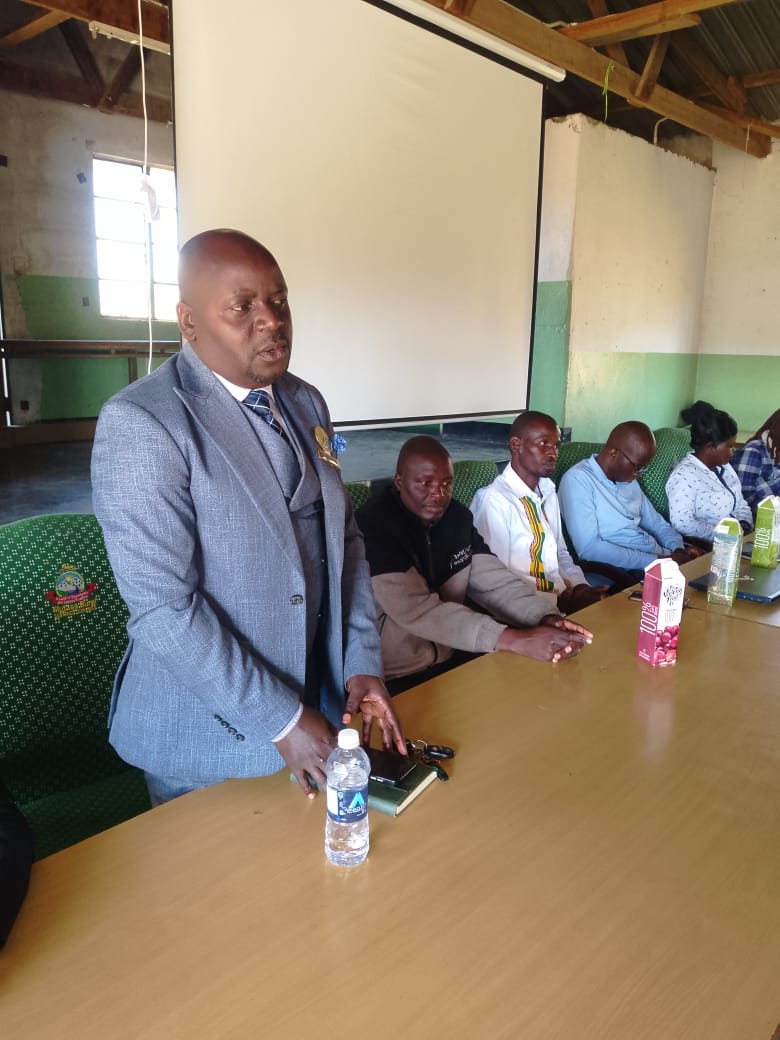
Speaking during the meeting, Engineer Charles Shayamiti said community radio stations were an important component of Zimbabwe’s three-tier broadcasting framework.
“Community radio stations form a crucial component of the three-tier broadcasting framework, particularly in preserving and promoting cultural heritage, fostering local participation, and stimulating socio-economic development at the grassroots level,” he said.
Engineer Charles Shayamiti said the Mutasa visit was part of BAZ’s community outreach programme targeting communities that had expressed interest in establishing community radio stations.
The meeting brought together traditional leaders, Rural District Council representatives, ward councillors, community-based organisations and members of the public.
BAZ outlined the regulatory, governance, technical and operational requirements that communities must understand when establishing and running sustainable community radio stations.
Engineer Charles Shayamiti encouraged the community to establish an interim steering committee to coordinate preparations, including stakeholder engagement, community mobilisation and the development of appropriate governance arrangements.
The committee will also help prepare the community to participate in the licensing process when BAZ invites applications for community radio broadcasting licences in identified areas.
Beyond broadcasting, the proposed station could contribute to Mutasa’s local economy by creating opportunities for journalists, presenters, technicians, content producers, musicians, advertisers and other service providers.
It could also provide local businesses with a platform to promote their products and services while giving farmers, tourism operators and community organisations access to relevant local audiences.
Culturally, the station could help document and promote indigenous languages, oral history, traditional knowledge, music, food and customs, ensuring that Mutasa’s heritage is passed on to younger generations.
For Mutasa, the proposed community radio station represents an opportunity to connect communication with employment, enterprise development, cultural preservation and grassroots participation, supporting the broader objectives of NDS2 and Vision 2030.