By International Correspondent
In an unprecedented escalation of his long-running battle with the press, President Donald J. Trump announced an immediate ban barring journalists from three major news organizations—CNN, MS NOW (formerly MSNBC), and Politico—from accessing the White House.
Writing on Truth Social, the President accused the outlets of publishing “fiction and lies” and systematically undermining his administration. In his statement, Trump singled out MS NOW over its recent rebrand and alleged that Politico had previously benefitted from an “illegal and ridiculous $8 Million Dollar subscription” under former President Joe Biden. Warning of broader restrictions ahead, he added that additional “Fake News Media Outlets” would soon follow.
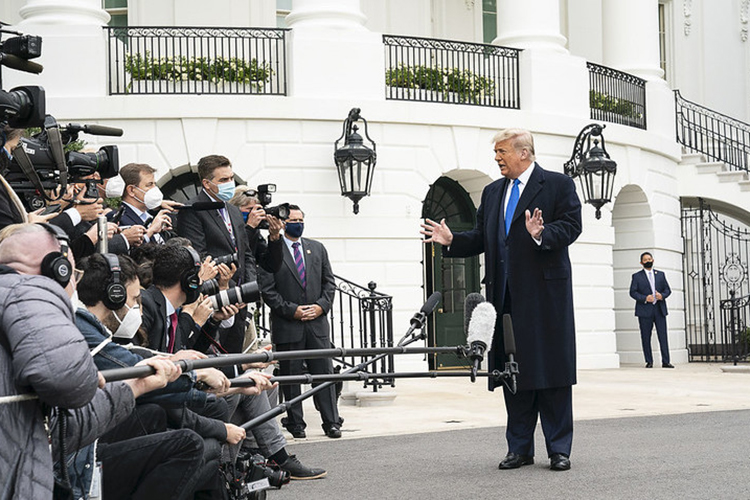
The announcement represents one of the most aggressive executive actions against the Washington press corps in modern American history. Speaking to reporters in the Oval Office shortly after the post, President Trump defended the ban, dismissing constitutional concerns regarding freedom of the press. “I don’t want them in my office,” Trump said. “Our country has to have honest news… You need a fair press and an honest press.”
The targeted organizations immediately pushed back. CNN called the directive an “illegal assault” on constitutionally protected First Amendment rights, asserting that its coverage remains fair, accurate, and protected from government interference. Politico rejected claims regarding government subsidies as thoroughly debunked and vowed to defend its reporting rights vigorously. White House press access for the named outlets was restricted shortly after the announcement, with reporters turned away at executive grounds checkpoints.
Legal experts and constitutional scholars anticipate swift court challenges. Previous attempts by the executive branch to revoke press credentials—including during Trump’s first term—were struck down by federal courts, which ruled that the administration cannot selectively restrict press access based on editorial content or critical reporting.
The move marks a dramatic widening of the administration’s strategy toward major news outlets, coming after prior access disputes with organizations like the Associated Press. International observers and media freedom watchdogs warn that denying access to key national outlets undermines democratic transparency and sets a dangerous global precedent for government control over free speech.