
By Caroline Washaya Moyo
Zimbabwe’s return to international rugby at the National Sports Stadium was about more than the Sables’ hard-fought 36-33 victory over Namibia on Saturday, October 24, 2026. It was also a powerful demonstration of sporting discipline, responsible fan behaviour and the role supporters can play in protecting the country’s sporting reputation.
After nine years without hosting a rugby match at the iconic venue, the National Sports Stadium witnessed a competitive contest in which the Sables emerged victorious, while the conduct of supporters provided a welcome example for other sporting disciplines to emulate.
Order prevailed inside and outside the stadium, with fans cheering passionately for the home side without invading the pitch or engaging in vandalism. The atmosphere demonstrated that sporting passion and discipline can coexist, creating a safe and enjoyable environment for players, officials and spectators.
For Zimbabwe, which is seeking to strengthen its position as a destination for major sporting events, the conduct of rugby supporters offered an important lesson: the success of a sporting event should be measured not only by the final score, but also by the standards of behaviour maintained throughout the occasion.
The National Sports Stadium has undergone renovations guided by FIFA standards, reinforcing the importance of protecting and maintaining sporting infrastructure. While these standards are associated with football, the responsibility to safeguard the facility extends to every sporting code that uses the venue.
The supporters’ conduct demonstrated an appreciation of the investment made in upgrading the stadium and the need to preserve it for future generations of athletes and fans.
A clean finish beyond the final whistle
The most remarkable moment came after the final whistle, when two rugby supporters reportedly stayed behind to collect litter left around the stadium.
Their actions, although modest, carried a significant message about civic responsibility and respect for public infrastructure. In a sporting environment where post-match litter and damage to facilities can undermine the overall event experience, the gesture offered a refreshing example of how supporters can take ownership of their surroundings.
The two fans demonstrated that supporting a team goes beyond wearing its colours, singing from the terraces and celebrating a winning try. It also means respecting the venue, leaving it in good condition and contributing to a positive experience for everyone.
Their actions deserve recognition because a clean, orderly stadium enhances the image of the host city and strengthens the appeal of sporting venues to event organisers, visiting teams, sponsors and tourists.
Sporting discipline and tourism potential
The behaviour witnessed at the National Sports Stadium has wider implications for Zimbabwe’s ambitions to grow sports tourism.
Major sporting events can attract travelling supporters, international teams, sponsors, broadcasters and other visitors whose spending supports hotels, restaurants, transport operators and small businesses. However, attracting such events requires more than modern facilities and competitive teams. Safety, crowd management, cleanliness and respect for sporting regulations are equally important.
Disorder, pitch invasions, vandalism and other forms of misconduct can expose national associations to disciplinary action from governing bodies, including fines, venue restrictions and matches played behind closed doors. Such sanctions can damage a country’s sporting image and undermine opportunities to host lucrative international fixtures.
Conversely, disciplined supporters help create an environment in which organisers can confidently stage major competitions, knowing that players, officials and spectators can enjoy the event in a safe and welcoming atmosphere.
Zimbabwe’s sporting authorities, clubs, schools and supporters’ associations should therefore draw lessons from Saturday’s rugby encounter. Fan education, responsible alcohol consumption, effective security arrangements and community ownership of sporting facilities must become central to the development of a sustainable sporting culture.
The conduct of the Sables’ supporters also reinforced the idea that stadiums are shared national assets, not facilities to be celebrated only when a team wins and neglected once the crowds disperse.
A victory for the Sables and Zimbabwean sport
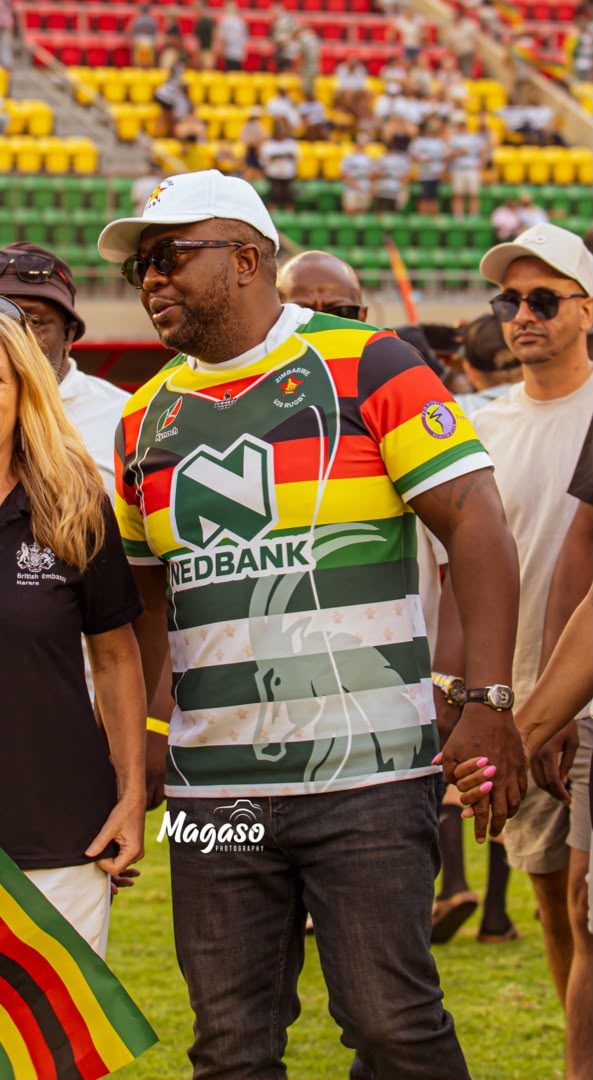
Among the high-profile personalities who attended the match to cheer the Sables was Junior Mnangagwa, adding to the occasion’s significance as Zimbabwe welcomed international rugby back to the stadium.
On the field, the Sables delivered a thrilling performance, edging Namibia 36-33 in a closely contested encounter that kept supporters engaged until the closing stages. The narrow margin underlined the intensity of the contest, with Zimbabwe ultimately doing enough to secure a memorable victory.
Yet the match produced a result that extended beyond the scoreboard. It offered a glimpse of the sporting culture Zimbabwe needs to build, one in which competitive excellence is matched by discipline, respect and responsibility.
As the country continues to invest in sporting infrastructure and pursue opportunities in sports tourism, the example set by rugby supporters should not be treated as an isolated moment. It should become a benchmark for football, cricket, athletics and other sporting disciplines.
Zimbabwe’s sporting fraternity must now turn this moment into a movement. Football, cricket and every other sporting discipline should take a cue from rugby by making discipline, cleanliness and respect for sporting infrastructure part of the game-day culture. If Zimbabwe is serious about attracting international fixtures, growing sports tourism and protecting its reputation, responsible supporters must become the norm rather than the exception.
The Sables won 36-33 on the scoreboard, but Zimbabwean sport scored an equally important victory in the stands and beyond the final whistle. The two supporters who stayed behind to collect litter may not have lifted a trophy, but they demonstrated the kind of patriotism and civic responsibility that no medal can fully measure. Their message was simple and powerful: support your team, respect the game and leave the stadium better than you found it. That is the winning spirit Zimbabwe needs to carry into every sporting arena.