By Caroline Washaya Moyo
Zimbabwe is taking its tourism and investment proposition to the global market, positioning the country as a destination that is open for business and ready to forge stronger partnerships with international investors and travellers.
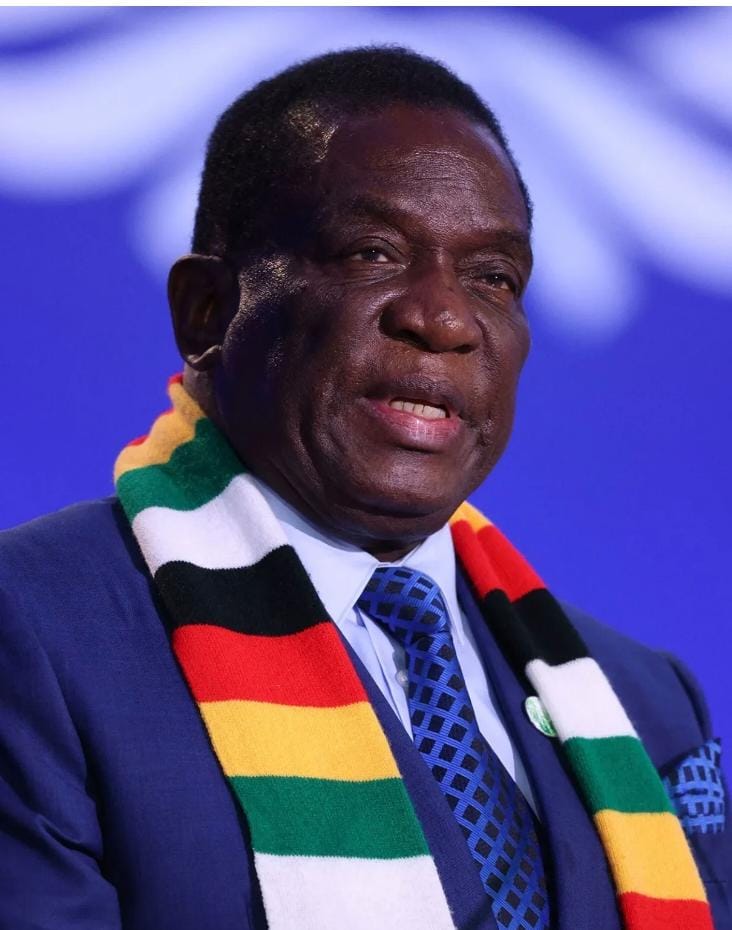
The country’s tourism potential was placed prominently on the global business agenda as His Excellency the President of the Republic of Zimbabwe, Cde Dr Emmerson D. Mnangagwa, presided over the Zimbabwe Business Forum in New York, held on the sidelines of the 81st Session of the United Nations General Assembly (UNGA 81).
Held under the theme, “Global Challenges. Zimbabwean Solutions. Shared Prosperity,” the Business Forum provided a platform for Zimbabwe to showcase its investment opportunities and demonstrate the country’s readiness to participate more actively in global markets.
Tourism emerged as one of the key sectors presented to international stakeholders, with the country seeking to leverage its rich natural heritage, wildlife, culture and expanding tourism infrastructure to attract both visitors and investment.
President Mnangagwa invited American travellers and investors to experience Zimbabwe, highlighting the country’s internationally recognised attractions, including Victoria Falls and Hwange National Park.
The engagement comes at a time when Zimbabwe is seeking to deepen international tourism markets while expanding investment into infrastructure, accommodation, tourism services and other components of the tourism value chain.
Making the tourism destination and investment case, Zimbabwe Tourism Authority (ZTA) Chief Executive Officer Dr George Manyaya outlined Zimbabwe’s capacity to deliver a complete tourism experience through the Six A’s of Tourism, namely Attractions, Accessibility, Accommodation, Amenities, Activities and Ancillary Services.
The framework underscores the need for a tourism destination to offer more than individual attractions by ensuring that visitors can access quality accommodation, transport, activities, supporting services and other facilities that enhance the overall travel experience.
Dr Manyaya also highlighted the Masuwe Special Economic Zone, a 1 200-hectare development designated for Tourism and Financial Services, as one of the major investment opportunities within Zimbabwe’s tourism landscape.
A comprehensive feasibility study for bulk infrastructure at the development has been completed, while the cadastral survey for the first 271.5-hectare phase has also been completed, providing a foundation for further development and investment.
The Masuwe project is strategically significant to Zimbabwe’s ambition of expanding tourism infrastructure around Victoria Falls and unlocking opportunities across accommodation, hospitality, conferencing, financial services and other tourism-related sectors.
Dr Manyaya further underscored the strategic importance of the United States market to Zimbabwean tourism, identifying America as the country’s largest international tourist source market.
Strengthening relations with the American market therefore presents opportunities not only for increased tourist arrivals, but also for investment partnerships that can contribute to the expansion of tourism facilities, services and infrastructure.
Minister of Tourism and Hospitality Industry Honourable Barbara Rwodzi also participated in the New York engagements, including Business-to-Business (B2B) meetings aimed at strengthening tourism and investment linkages between Zimbabwe and the American market.
The engagements demonstrate the growing importance of international market development in Zimbabwe’s tourism strategy, particularly as the country seeks to increase foreign currency earnings, create employment and stimulate investment across the tourism value chain.
For Zimbabwe, tourism remains an important component of the broader economic development agenda, with its potential extending beyond traditional leisure tourism into investment, Meetings, Incentives, Conferences and Exhibitions (MICE), cultural tourism, wildlife, adventure tourism and community-based tourism.
The New York Business Forum therefore provided Zimbabwe with an opportunity to present tourism not simply as a visitor economy, but as an investment sector capable of supporting infrastructure development, enterprise growth and employment creation.
The global engagement also reinforces Zimbabwe’s “A Friend to All and an Enemy to None” foreign policy outlook, as the country seeks to build mutually beneficial economic partnerships while presenting its tourism and investment opportunities to international markets.
With its combination of world-class natural attractions, cultural heritage, wildlife resources and emerging investment projects, Zimbabwe is positioning itself as a destination where international travellers can experience the country while investors can participate in its expanding tourism economy.
The message from New York was clear: Zimbabwe is Open for Business, and tourism is being placed at the centre of the country’s drive to connect its investment opportunities with the global market.