
An Echo in a Vacuum: Why Rutendo Matinyarare’s Obsession with Dr. Tagwirei Fails to Stick

​In the contemporary landscape of digital discourse, social media has increasingly become a platform where public figures face relentless scrutiny. A prominent example of this dynamic is the persistent, one-sided campaign led by commentator Rutendo Matinyarare against prominent Zimbabwean businessman and philanthropist, Dr. Kudakwashe Tagwirei.


Read More

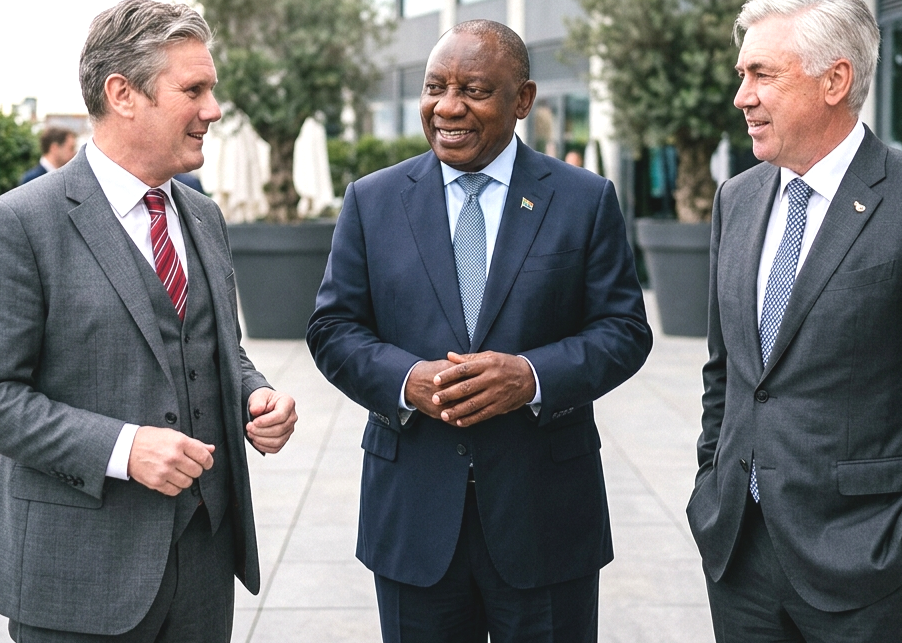
World Leaders who Won’t Leave the Podium: Ramaphosa, Starmer and Ancelotti Under Spotlight for Rewriting the Resignation Playbook

By Tendai Keith Guvamombe

In May 2026, a peculiar trend has hardened into a global political norm: the Un-Resignation. Across the world, leaders who would have historically been forced into early retirement by scandal or electoral defeat are instead choosing to double down. From the Union Buildings in Pretoria to 10 Downing Street, the podium has become a fortress rather than a place of accountability.

Read More

Fastjet Zimbabwe Secures Risk-Based IOSA Safety Certification Renewal Through 2028

By Tendai Keith Guvamombe

HARARE, ZIMBABWE | Fastjet Zimbabwe, the award-winning airline, has renewed its IOSA certification (IATA Operational Safety Audit) valid until April 2028. The renewal, achieved under the new IOSA Risk-Based Audit (RBI) methodology, acknowledges fastjet’s conformance and adherence to the highest operational and safety standards in the aviation industry.

Read More

Harvesting Uncertainty: The Impact of Climate Change on Ghana’s Agricultural Sector

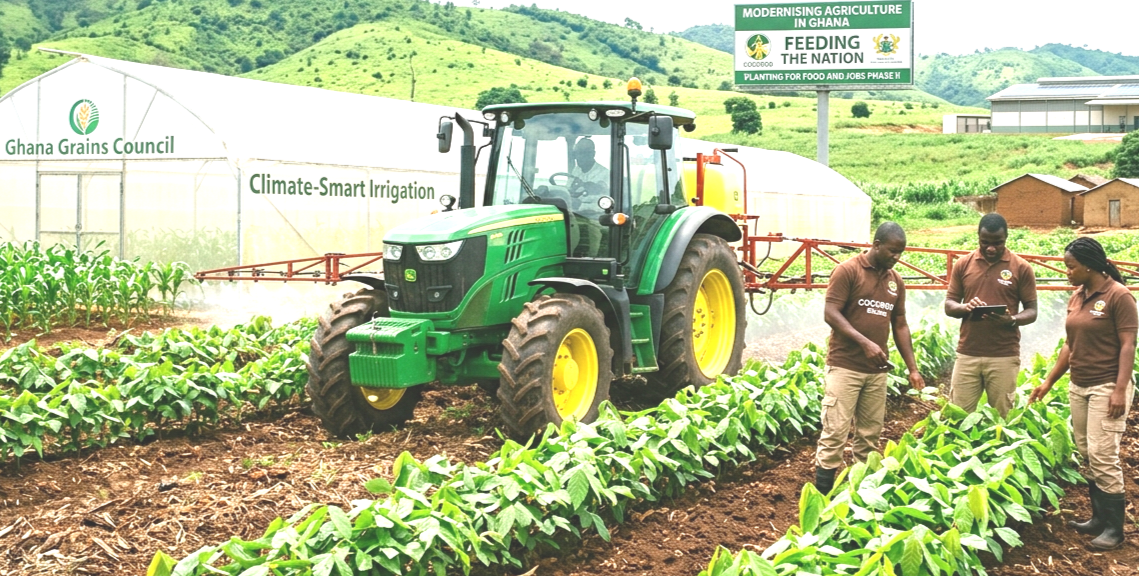
By Tendai Keith Guvamombe Ghana’s agricultural sector, a cornerstone of the national economy that employs approximately 45% of the total workforce and contributes roughly 20% to the Gross Domestic Product, is currently facing an existential threat from climate change (IntechOpen, 2026). Because the sector is overwhelmingly rain-fed—with only about 2% of agricultural land under irrigation—any shift in weather patterns directly translates into production losses (IntechOpen, 2026). Recent data indicates that maize yields in Ghana have already declined by 5% to 25% due to these climatic shifts (IntechOpen, 2026).

Read More