
By Caroline Washaya Moyo
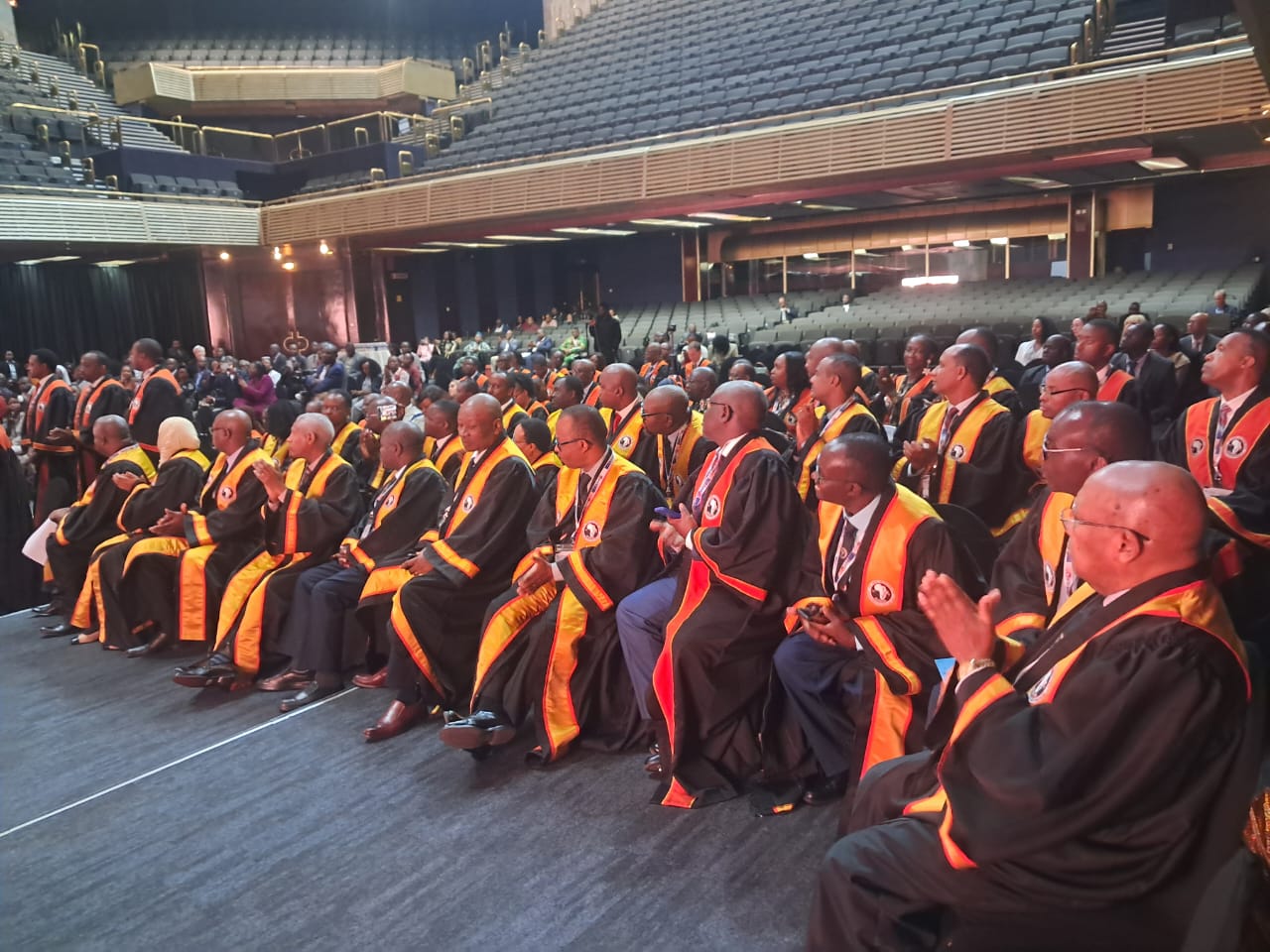
Zimbabwe has taken another step towards strengthening specialist healthcare training following the inaugural graduation ceremony of the East, Central and Southern Africa College of Obstetrics and Gynaecology (ECSACOG), held in Harare, where Vice President Kembo Mohadi was the guest of honour.
Nineteen specialists graduated from the regional training programme, including 12 Zimbabweans, in a development Vice President Mohadi described as a practical demonstration of the philosophy that “nyika inovakwa nevene vayo” — a country is built by its own people.
Speaking at the ceremony, Vice President Mohadi said the health of mothers and children remains one of the clearest measures of the strength and equity of a country’s health system.
He noted that Zimbabwe had made encouraging progress in reducing maternal mortality, with the Maternal Mortality Ratio declining from 651 deaths per 100,000 live births in 2015 to 212 deaths per 100,000 live births in 2024.
However, he cautioned that the progress should not lead to complacency, stressing the need for continued investment in health workers, specialist training and quality healthcare services.
“The 19 graduates are not simply 19 new qualifications. They are 19 additional specialists whose knowledge, skills and leadership can save lives and strengthen the country’s health system,” Vice President Mohadi said.
He said the Government’s signing of the Health Workforce Investment Compact in 2024, alongside implementation of the Health Workforce Strategy, reaffirmed Zimbabwe’s commitment to increasing investment in health workers, whom he described as the backbone of the country’s health system.
The Health Services Commission, he said, had a critical task of translating investment in health workers into a health workforce that is appropriately recruited, developed, deployed, motivated and retained to meet the needs of Zimbabweans.
Vice President Mohadi also placed Zimbabwe’s efforts within the broader continental agenda, noting that the African Union increasingly recognises human resources for health as a strategic investment essential to achieving universal health coverage, strengthening health security and accelerating Africa’s development.
ECSACOG was established to address the shortage of specialist health professionals by localising specialist training within the region. The model enables health professionals to receive advanced training while continuing to contribute to the healthcare needs of their respective countries.
Vice President Mohadi stressed that the next challenge was to ensure that the investment made in the newly qualified specialists translates into improved services for communities, particularly women and children who require specialised obstetric and gynaecological care.
Speaking at the same occasion, the Minister of Health and Child Care said the achievement built on Zimbabwe’s long tradition of specialist medical training through its Master of Medicine (MMed) programmes, historically complemented by fellowships and partnerships with institutions in South Africa and the United Kingdom.
The minister said the ECSA Colleges represented a new dimension in strengthening specialist capacity within African health systems, allowing the continent to develop its own pool of highly trained professionals while responding to local healthcare priorities.
The inaugural ECSACOG graduation therefore marks an important milestone not only for the graduates, but also for regional efforts to strengthen specialist medical education, retain skilled professionals and improve maternal and reproductive healthcare outcomes across Africa.


