By Caroline Washaya Moyo
HARARE – Industry and Commerce Minister Hon. M. N. Ndhlovu has urged COMESA member states to accelerate investment in green manufacturing, recycling and local value addition, saying the region must translate policy commitments into tangible economic gains, stronger regional trade and sustainable jobs.
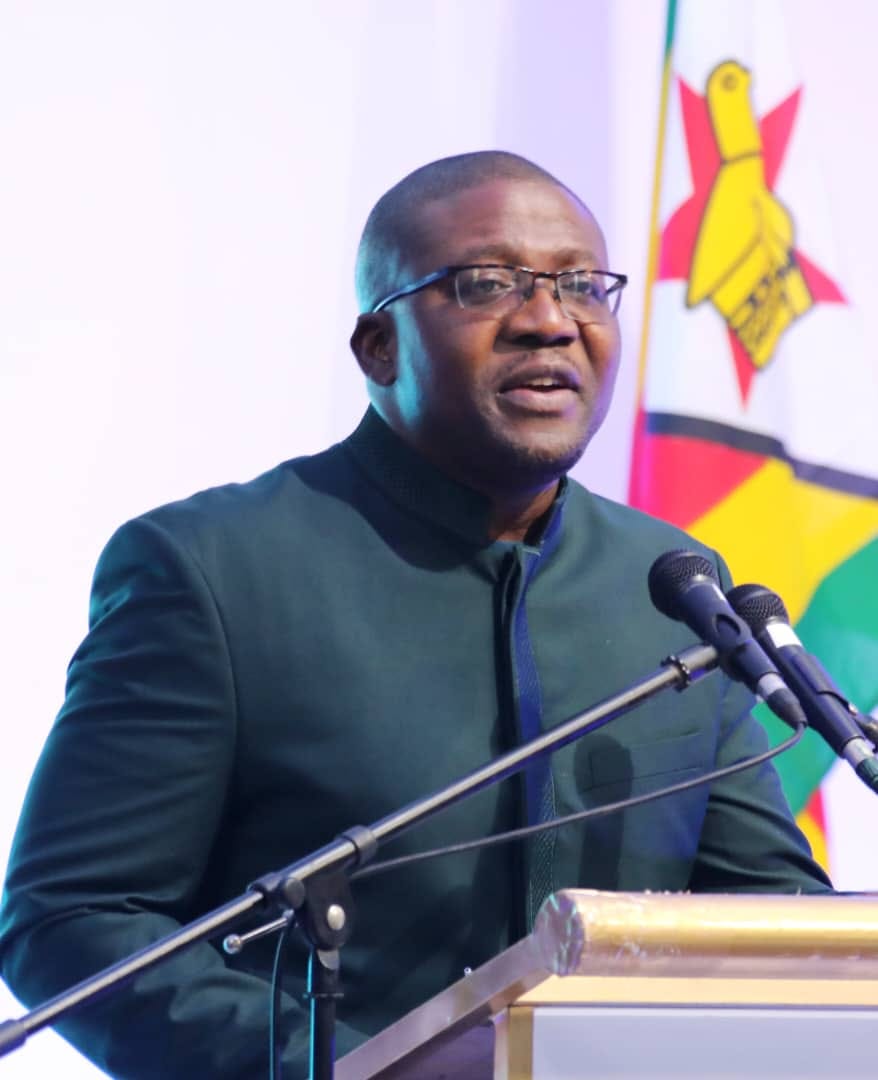
Addressing the COMESA Green Industries Connect Conference at the Harare International Conference Centre (HICC), Minister Ndhlovu said member states needed to prioritise practical interventions that modernise industries, improve resource efficiency and strengthen regional value chains.
He said Zimbabwe’s industrial development agenda, guided by Vision 2030, the National Development Strategy 2 (NDS2), the Zimbabwe National Industrial Development Policy 2 (ZNIDP2) and the Local Content Strategy, prioritised domestic value addition, export growth and employment creation.
“Sustainable industrialisation is not separate from industrial growth; it is an essential condition for long-term competitiveness, resilience and productivity,” he said.
Driving Green Manufacturing
Minister Ndhlovu said industries needed to improve energy efficiency, convert waste into productive goods and services, and use raw materials more efficiently to lower costs and reduce environmental impact.
Zimbabwe is working with the Climate Technology Centre and Network on a National Decarbonisation Roadmap for the cement sector, while opportunities for cleaner production also exist in iron and steel, mineral processing and other manufacturing industries.
He said investment in renewable energy, energy-efficient machinery and water-recycling systems could reduce production costs, improve operational reliability and strengthen industrial competitiveness.
Effective waste management was equally important, requiring coordinated systems linking collection, recycling and manufacturing, supported by appropriate infrastructure, standards, financing and reliable markets.
The Minister urged COMESA member states to strengthen regional recycling and resource-recovery value chains while creating opportunities for small and medium enterprises, women and young entrepreneurs.
Turning Regional Commitments into Action
Minister Ndhlovu said COMESA’s Industrialisation Strategy and Action Plan provided a foundation for green industrial growth, identifying priority sectors such as agro-processing, leather, textiles, energy and mineral beneficiation.
He also highlighted commitments made by COMESA Ministers responsible for Industry and Investment at their meeting on 8 September 2026, where ministers backed an inclusive transition to a circular economy and the promotion of green businesses.
The meeting also called for implementation of the COMESA Green Pharmaceutical Manufacturing Strategy for 2026–2035, welcomed the SWITCH-2-Circular Economy Programme and reaffirmed support for cleaner production and stronger regional value chains, including in the leather sector.
He said the priority now was implementation, with member states required to integrate regional priorities into national programmes, assign institutional responsibilities, mobilise resources and monitor progress.
The COMESA Secretariat and its specialised institutions would provide coordination, but national governments needed to ensure that commitments resulted in investment, modernised factories, viable enterprises and measurable employment outcomes.
Private Sector and Regional Trade
The Minister said businesses must drive the transition by investing in productive capacity, adopting cleaner technologies and identifying opportunities in regional markets.
Governments, meanwhile, should provide predictable policies, appropriate regulation, reliable infrastructure and a conducive investment environment. Financial institutions, development partners, universities and research institutions also had a role in mobilising capital, developing suitable financing instruments and supporting innovation.
He called for greater alignment of green standards, improved product testing and stronger conformity assessment to reduce compliance costs and facilitate cross-border trade.
A more integrated regional market would give manufacturers the scale needed to invest in cleaner technologies, expand production and compete more effectively, supporting COMESA’s ambition to increase intra-African trade.
Minister Ndhlovu said the region also needed to move beyond exporting raw materials by expanding its capacity to process resources and manufacture intermediate and finished products.
He cited Zimbabwe’s shipment of locally processed lithium sulphate to China as an example of the opportunities available through greater value addition.
He said building domestic processing capacity and developing technical skills would enable countries to retain a greater share of the value generated from their natural resources.
Zimbabwe Pledges Support Under COMESA Chairmanship
As Zimbabwe assumes the COMESA Chairmanship, Minister Ndhlovu reaffirmed the country’s commitment to working with member states, the COMESA Secretariat and the private sector to advance shared industrial development priorities.
He called for practical partnerships, increased investment, innovation and the removal of barriers that constrain regional production and trade.
The Minister said progress should be measured by tangible results, including investment mobilised, factories modernised, resources used more efficiently, enterprises developed and jobs created.
He added that the transition to greener industries must generate commercial opportunities, strengthen local manufacturing and deliver sustainable livelihoods.
“Let us turn waste into value, innovation into investment and our shared resources into lasting prosperity,” he said.
The conference brings together regional stakeholders to advance cooperation on cleaner production, circular economy initiatives and investment, with the aim of building competitive industries and strengthening economic integration across COMESA.