
By Caroline Washaya Moyo
HARARE, October 20, 2026 – The Zimbabwe Media Commission (ZMC) has been challenged to strengthen professional journalism, combat misinformation and disinformation, and improve institutional governance as it begins a new chapter under its recently appointed commissioners.
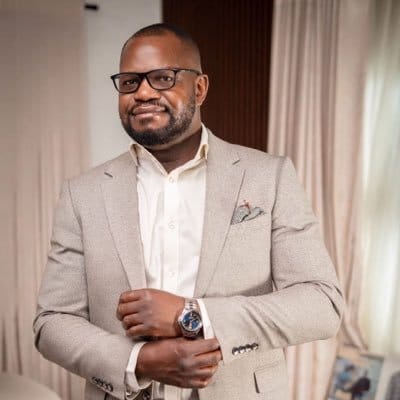
Secretary for Information, Publicity and Broadcasting Services Mr N. Mangwana said the Commission must fulfil its constitutional mandate effectively, balancing media freedom with responsible journalism, public accountability and the protection of citizens’ rights.
Addressing the ZMC Strategic Conference on Monday, Mr Mangwana congratulated the commissioners on their appointments and said the Government was working to identify a suitable chairperson. However, he stressed that the absence of a substantive chairperson should not delay the Commission’s work.
“The Ministry expects the Commission to function effectively and not to wait for a Chairperson to begin its work,” he said.
Mr Mangwana said Section 249 of the Constitution of Zimbabwe provided the foundation for the Commission’s mandate, which includes promoting freedom of expression and freedom of the media, protecting the media from undue influence, and upholding professional journalism standards and ethics.
He urged the commissioners to execute their responsibilities without fear or favour, warning that media freedom should not be used to justify irresponsible reporting.
“The Constitution envisages a free media, but it does not envisage a reckless media. Freedom of expression is not a licence for irresponsibility,” he said.
Mr Mangwana expressed concern over the spread of misinformation and disinformation, sensational reporting and the use of journalism to advance personal or factional interests at the expense of the public good.
He called on the Commission to enforce the law and professional codes of conduct while safeguarding constitutionally protected freedoms. Regulatory action, he said, should address abuses such as the dissemination of false information and incitement to violence without stifling legitimate media expression.
Media literacy a priority
Mr Mangwana identified media literacy as a key priority in an increasingly digital information environment, where citizens encounter large volumes of information from sources of varying credibility.
He urged the Commission to launch comprehensive media literacy campaigns in partnership with the Ministry of Education, civil society organisations and UNESCO, including efforts to integrate media literacy into school curricula and reach communities nationwide.
An informed citizenry, he said, would be better equipped to identify false information, resist manipulation and participate meaningfully in democratic processes.
The Commission was also expected to facilitate access to information by establishing clear procedures for handling Freedom of Information requests.
Other priorities include registering and accrediting media houses and journalists, investigating complaints, applying proportionate corrective measures and promoting multilingual programming that reflects Zimbabwe’s cultural diversity.
Mr Mangwana said these responsibilities should inform the Commission’s strategic plan and be implemented in line with its constitutional independence as a Chapter 12 institution.
Commission warned against internal divisions
The Secretary urged the new commissioners to avoid the internal disputes that he said had paralysed the previous Commission, warning that factional battles and personal rivalries could undermine its effectiveness.
He said commissioners should work collectively, respect one another and focus on their national mandate rather than personal ambitions.
“The Commission is not a platform for personal ambition, factional fights, or petty squabbles. You are here to serve the nation,” he said.
Mr Mangwana also raised concerns over past reports of financial mismanagement, emphasising that public funds, including allocations to the Media Fund and grants from the fiscus, must be used for their intended purposes.
He called for strict compliance with the Public Finance Management Act, transparent expenditure and an end to the alleged abuse of fuel allocations. The Government, he said, expected a clean audit report and would act on any breaches identified.
Building public confidence in the media
Mr Mangwana said the ZMC should be a partner in developing a professional, diverse and credible media sector rather than an adversary of media organisations and journalists.
He challenged the commissioners to restore public confidence in journalism through ethical reporting, effective complaints handling, responsible management of resources and stronger efforts to tackle disinformation.
The Commission’s work will be critical in shaping Zimbabwe’s media environment as digital platforms accelerate the spread of information and heighten the need for credible reporting and public access to reliable news.
Mr Mangwana said the Ministry was ready to work with the Commission while respecting its constitutional mandate.
“We want a media that is free, responsible, and patriotic,” he said, urging the commissioners to put the nation first and uphold the Constitution of Zimbabwe.