By Caroline Washaya Moyo
HARARE: Tourism and Hospitality Industry Minister Barbara Rwodzi has urged COMESA member states to turn regional integration into tangible tourism gains through improved connectivity, joint destination marketing and cross-border travel initiatives.
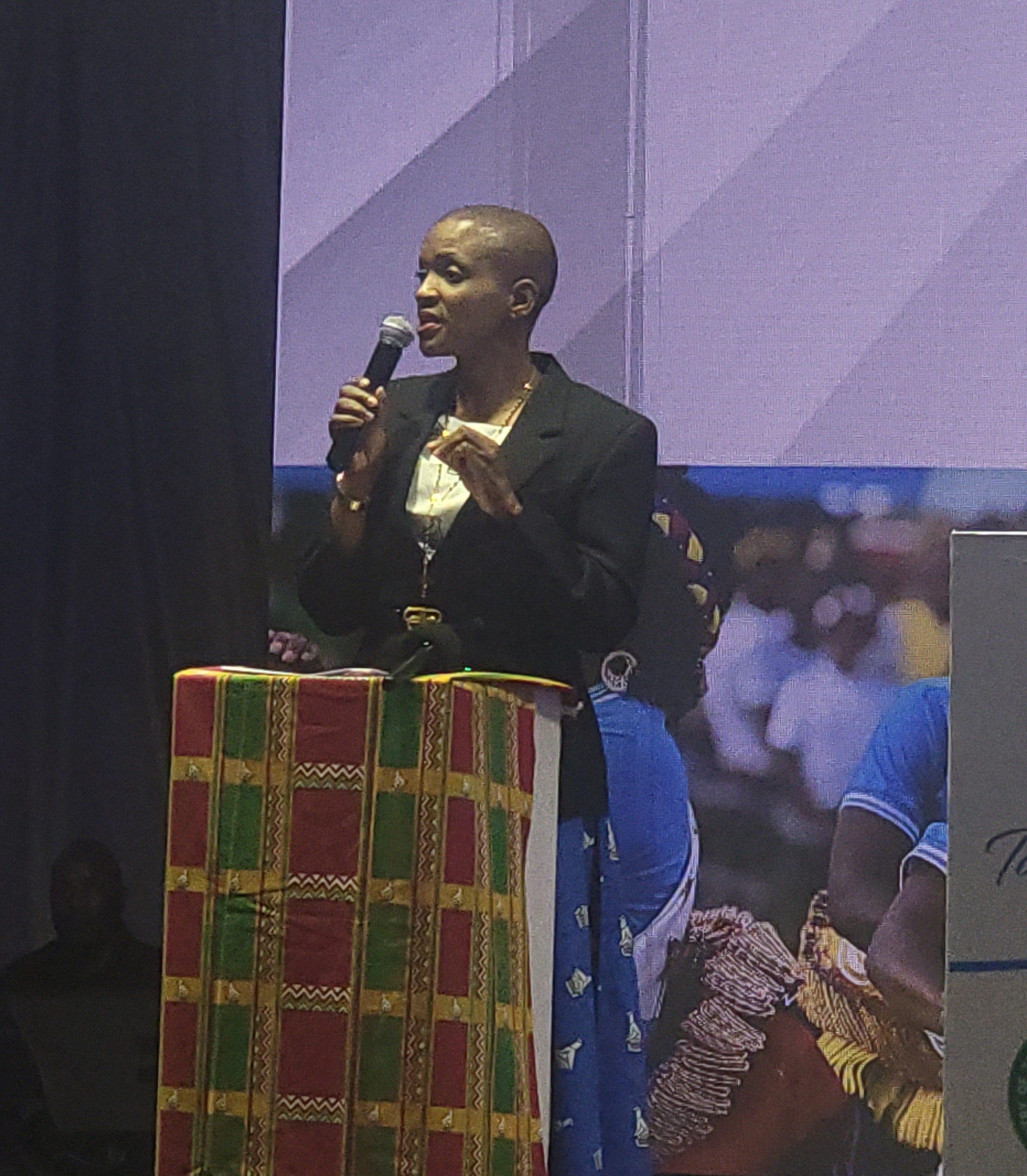
Addressing delegates at the COMESA dinner in Harare last night, Rwodzi said closer cooperation among member states could strengthen intra-African travel, attract investment and increase the economic benefits derived from the continent’s shared natural and cultural heritage.
She linked the tourism sector directly to COMESA’s broader regional integration agenda, emphasising that connectivity and cooperation were essential to unlocking opportunities across national borders.
“Culture and tourism move hand in glove,” she said, describing tourism as a platform for bringing African countries and their people closer together.
Rwodzi said member states should view regional attractions as shared opportunities rather than competing products, enabling travellers to experience several destinations within a single itinerary.
KAZA offers a model for regional cooperation
Citing the Kavango-Zambezi Transfrontier Conservation Area (KAZA TFCA), which comprises Angola, Botswana, Namibia, Zambia and Zimbabwe, Rwodzi highlighted the benefits of coordinated tourism development across borders.
She noted that wildlife moved freely across national boundaries, demonstrating the interconnectedness of the region’s natural ecosystems and the need for countries to cooperate in conservation and tourism promotion.
The KAZA UniVisa, which facilitates travel between Zimbabwe and Zambia, provides a practical example of how regional arrangements can make multi-destination tourism more accessible.
Rwodzi said Zimbabwe and Zambia had increasingly embraced joint promotion of Victoria Falls, recognising that the attraction’s international appeal could benefit both countries.
She urged COMESA member states to adopt similar collaborative approaches to marketing Africa’s tourism assets, arguing that regional destinations could collectively offer visitors richer experiences and strengthen the continent’s competitiveness.
Zimbabwe reports tourism and investment growth
Rwodzi used the occasion to highlight Zimbabwe’s tourism performance, reporting that international tourist arrivals reached approximately 1.8 million in 2025, up from 1.6 million in 2024, representing growth of about 10 percent.
International arrivals increased by 6.1 percent in the second quarter of 2026, she said, while domestic tourism trips rose by 27 percent, from five million in 2025 to approximately 6.4 million in the second quarter of 2026.
She also reported that tourism investment increased from US$40 million in 2025 to US$132 million in 2026, a rise of 229 percent.
“Zimbabwe tourism is open for business,” Rwodzi said, inviting investors to explore opportunities in the sector.
The figures, she said, underscored the potential for further tourism development and investment, while growing domestic travel demonstrated the importance of the local market.
Connectivity key to unlocking COMESA tourism potential
Rwodzi called for stronger links between African countries, saying the movement of tourists across borders should complement broader efforts to deepen regional economic integration.
She said the continent’s diverse attractions, from Victoria Falls to Mount Kilimanjaro, could support a stronger regional tourism offering if countries worked together to promote them.
Improved travel facilitation, coordinated marketing and investment in tourism infrastructure could help member states attract more international visitors while encouraging Africans to explore destinations within the region.
Rwodzi also identified Zimbabweans’ hospitality, cultural traditions and cuisine as important elements of the country’s tourism appeal, encouraging delegates to experience the country during their stay.
Her remarks positioned tourism as a practical avenue through which COMESA member states can translate regional cooperation into increased visitor spending, investment and employment.
She welcomed delegates to Zimbabwe and called for stronger partnerships that would allow countries to build on their individual strengths while benefiting from the wider regional tourism market.