By Caroline Washaya Moyo
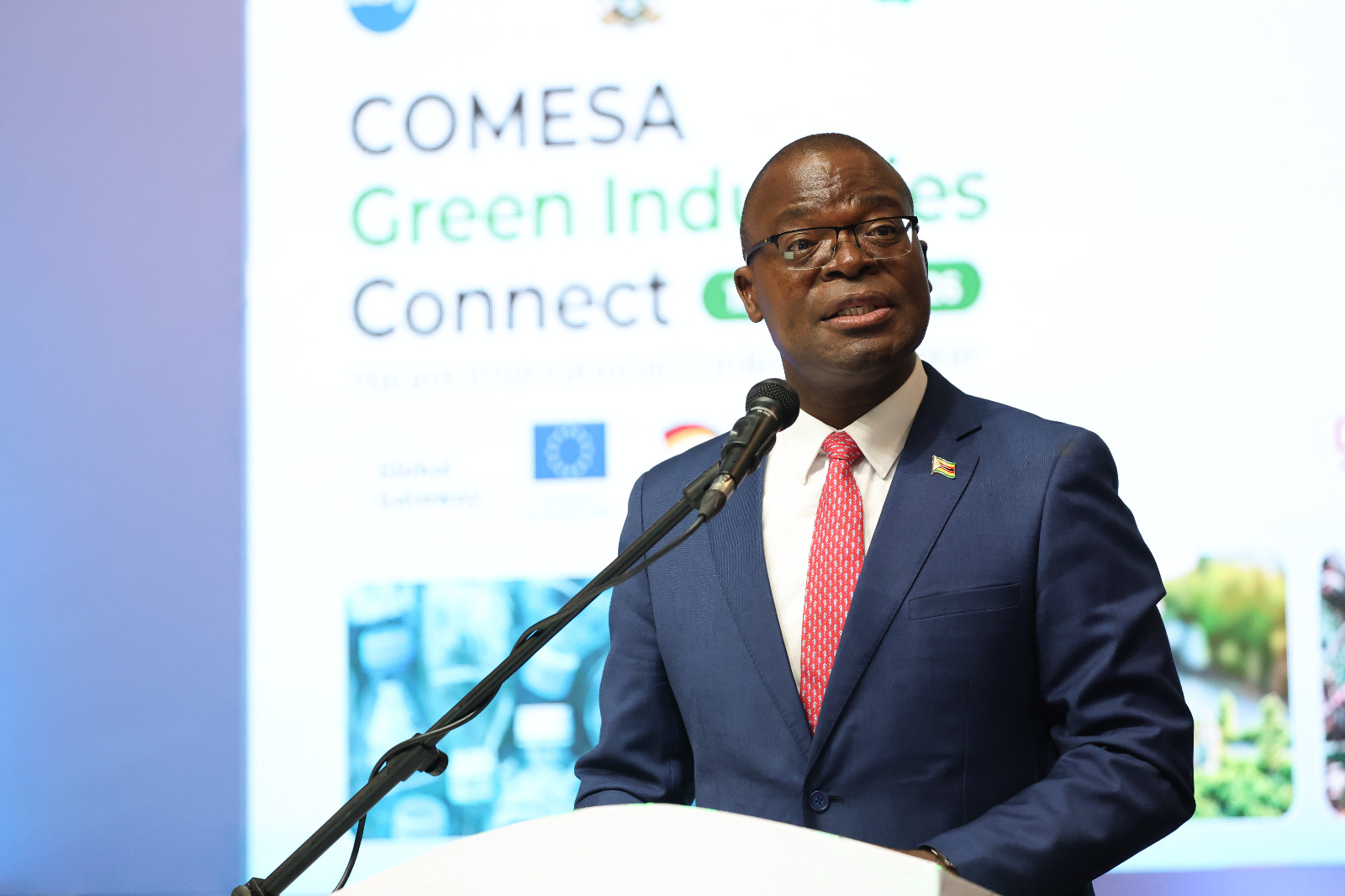
HARARE — Foreign Affairs and International Trade Minister Professor Amon Murwira has called on COMESA member states to harness indigenous knowledge and natural resources to drive industrialisation, create wealth and strengthen Africa’s economic sovereignty.
Speaking at the COMESA dinner in Harare, Professor Murwira said sustainable development required African countries to move beyond political independence by building productive economies that add value to local resources, create employment and reduce dependence on external markets.
He cited marula wine as an example of heritage-based industrialisation, explaining how fruit from an indigenous African tree could be transformed into an income-generating product through local knowledge and innovation.
“This is what we call heritage-based industrialisation,” he said, urging communities to invest in trees and sustainably exploit the economic potential of resources available in their surroundings.
He said Africa’s sovereignty depended on its ability to feed its people, process agricultural produce and critical minerals, and participate in global trade on equitable terms.
Against a backdrop of geopolitical fragmentation and mounting pressure on multilateral cooperation, Professor Murwira urged COMESA member states to translate their shared aspirations into practical programmes that deliver sustainable prosperity.
Culture as an instrument of diplomacy
Professor Murwira described the cultural dinner as more than a diplomatic or tourism event, saying it demonstrated how shared traditions and experiences could strengthen relationships among COMESA member states.
He argued that colonialism had alienated African communities from their spirituality, indigenous foods and languages, fostering perceptions that local customs and products were inferior.
Citing traditional foods such as makimbi and madora, he challenged these attitudes and called for renewed confidence in African identity.
The minister invoked the legacy of liberation leaders, including Gamal Abdel Nasser, Sékou Touré, Haile Selassie, Steve Biko, Agostinho Neto, Robert Mugabe, Patrice Lumumba, Kwame Nkrumah, Julius Nyerere, Kenneth Kaunda and Oliver Tambo, whose struggles helped shape the continent’s pursuit of dignity and self-determination.
He noted that Zimbabwe’s constitutional framework supports regional and Pan-African cooperation, citing Section 12 of the Constitution, which provides for a foreign policy promoting cultural, economic and political integration based on mutual respect and sovereign equality.
He also referenced Articles 3 and 143 of the COMESA Treaty, highlighting the importance of cultural and social cooperation in advancing sustainable development and regional solidarity.
“Trade follows human connection. Investment follows trust,” he said, emphasising that relationships built through shared experiences could foster confidence and open doors to commercial partnerships across borders.
Value addition key to regional prosperity
The minister urged delegates to ensure that deliberations on cross-border infrastructure, digital trade facilitation, industrialisation and investment promotion translate into tangible benefits for citizens and businesses.
He said a unified COMESA market should facilitate the movement of goods and services while supporting industries that use Africa’s own resources to produce competitive, higher-value goods.
For Zimbabwe, this approach presents opportunities to connect indigenous resources with entrepreneurship, tourism, manufacturing and rural development. Traditional foods and beverages, indigenous fruits, textiles and crafts can generate income and employment when supported by appropriate processing technologies, quality standards, branding and access to markets.
Professor Murwira called on member states to strengthen their productive capacity and ensure that regional agreements support businesses, expand market access and retain more economic value within African economies.
Zimbabwe reaffirms Pan-African solidarity
On behalf of President Emmerson Dambudzo Mnangagwa and the people of Zimbabwe, Professor Murwira welcomed the visiting delegations and invited them to experience the country’s vibrant culture.
He described Zimbabwe as a Pan-African nation committed to African unity, dignity and self-determination.
The dinner brought delegates together through traditional cuisine, music and cultural expression, reinforcing the role of cultural diplomacy in strengthening regional relations.
Professor Murwira’s message was that Africa’s natural resources and indigenous knowledge must be converted into productive economic assets. Through innovation, sustainable resource management and local value addition, COMESA member states can create jobs, expand enterprise and advance economic sovereignty.