By Caroline Washaya Moyo
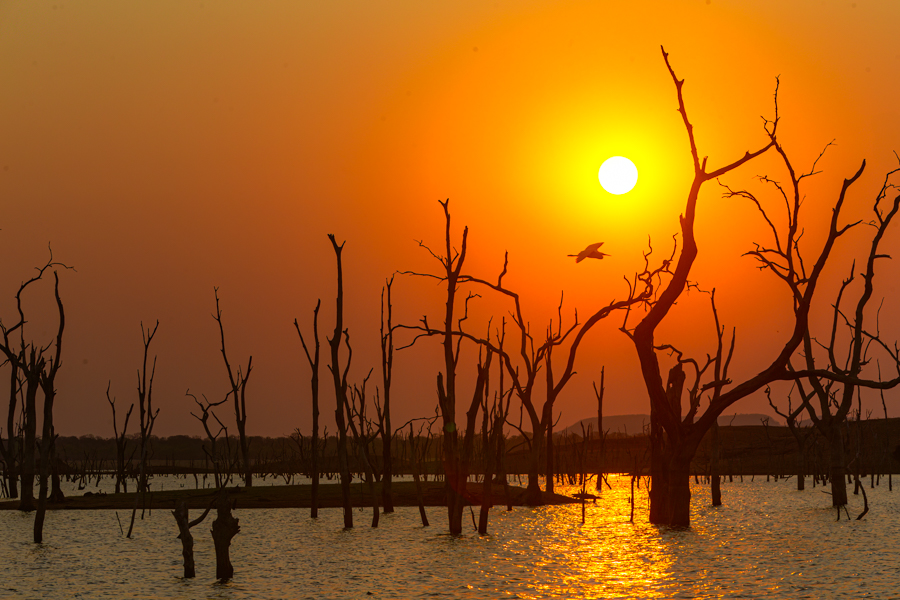
KARIBA — Traditional leaders in Kariba have declared Lake Kariba safe for navigation following a two-day cleansing ceremony held in the aftermath of the RIDA Mbuya Nehanda boat disaster, bringing indigenous knowledge and traditional healing to the centre of the community’s response to the tragedy.
The ceremony, which concluded on October 5, was led by Chief Mola and Chief Priest Lusinga, with traditional rites conducted at several significant locations on the lake, including Snake Island, DDF Kariba Island and the dam wall.
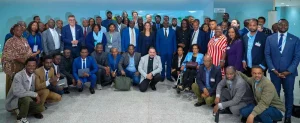
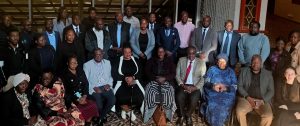
The proceedings were attended by Chief Msampakaruma and Chief Nebiri of Kariba District, two traditional leaders from Binga District, as well as ZANU PF Politburo member and Secretary for Gender and Culture Tendi Mukusha.
The cleansing followed a directive for ferry operators and other lake users to suspend navigation and fishing activities during the traditional rites, allowing the community to mourn the victims and undertake ceremonies intended to restore spiritual balance following the disaster.
“The lake is now clean, and boats and ferries are free to cross it,” Chief Mola said.
Indigenous knowledge as a pathway to healing
The declaration marks an important moment for a community still grappling with the effects of the August 14 tragedy, which claimed dozens of lives and deeply affected families, fishermen, boat operators and residents whose livelihoods are closely connected to Lake Kariba.
While investigations, maritime safety measures and emergency-response systems are critical in establishing the physical causes of such disasters, traditional leaders have used indigenous knowledge to address another dimension of the tragedy, the spiritual and emotional wellbeing of the affected community.
For generations, traditional communities have relied on ancestral observances, rituals and customary leadership to respond to death, disasters and events perceived to have disrupted the social and spiritual balance of a community.
In Kariba, the cleansing has consequently been about more than the physical waters.
It has provided families and residents with a culturally familiar avenue through which to mourn the dead, seek spiritual closure and reaffirm their relationship with the lake.
Lake Kariba is not only a major source of fishing, transportation and tourism. It is also part of the cultural landscape of communities that have lived alongside it for generations.
The ceremony therefore demonstrates how indigenous knowledge systems continue to play a role in contemporary Zimbabwe, particularly in helping communities navigate grief and collective trauma.
Rather than necessarily competing with modern systems, traditional practices can complement formal disaster-response mechanisms by providing cultural and emotional support, while scientific and institutional processes remain essential for establishing causes of accidents and strengthening future safety measures.
Chiefs raise concern over fishing operations
The cleansing ceremony, however, was accompanied by concerns over alleged non-compliance with the temporary suspension of fishing activities.
Chief Mola said some fishing-rig operators in Basin 5 allegedly continued operating despite instructions to suspend activities during the cleansing period.
“We saw lights from fishing rigs last night, yet boats were told to stop fishing and honour our cleansing ceremonies,” he said.
Chief Priest Lusinga also criticised operators who allegedly ignored the directive, saying their actions showed a lack of respect for both the victims and the traditional processes being undertaken.
“Boats from Binga managed to stop fishing, yet the disaster happened in Kariba. They disobeyed our DDC and our chiefs,” he said.
The concerns point to the wider question of how traditional authority, community expectations and economic activities interact in areas where livelihoods depend heavily on natural resources.
For the traditional leaders, the temporary suspension was not merely an operational measure. It was part of a collective act of mourning and a demonstration of respect for the dead.
Gova to keep memory of victims alive
The traditional leaders have also resolved to hold an annual Gova ceremony to appease the ancestors and preserve the cultural memory associated with the tragedy.
The annual observance could provide Kariba with a permanent cultural mechanism for remembering those who died while transmitting indigenous knowledge and customary practices to younger generations.
Such ceremonies can also serve as living repositories of oral history, traditional leadership, spiritual practices and community memory.
For Kariba, Gova could therefore develop beyond a traditional ceremony into an enduring memorial for the victims and a platform for teaching future generations about the relationship between the lake, the community and the responsibilities that come with using its waters.
A community seeks closure
The August 14 RIDA Mbuya Nehanda disaster remains one of the most painful recent tragedies to affect Kariba, a community whose economic and social life is deeply intertwined with Lake Kariba.
The subsequent cleansing reflects the community’s effort to confront that loss through its own cultural traditions, while the wider response to the disaster continues to require strong institutional attention to navigation safety and accident prevention.
The declaration that the lake is now “clean” can therefore be understood as more than a traditional pronouncement about the waters.
It represents a community seeking healing, spiritual closure and a way to move forward while preserving the memory of those who were lost.
The Kariba experience also demonstrates the continuing relevance of indigenous knowledge in Zimbabwe’s development landscape, where cultural traditions, community leadership and modern institutional systems can work alongside each other in responding to challenges affecting local communities.