By Tendai Guvamombe
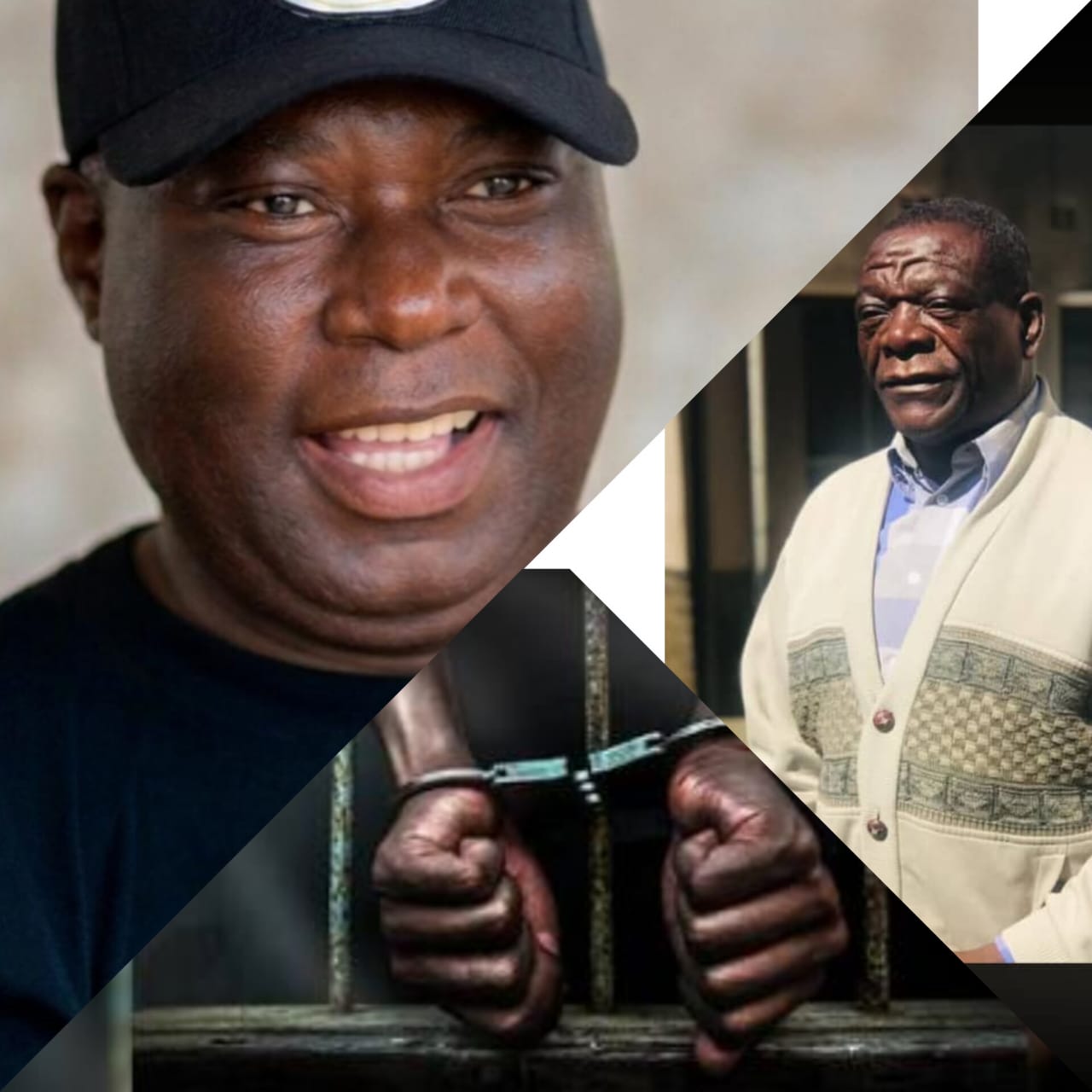
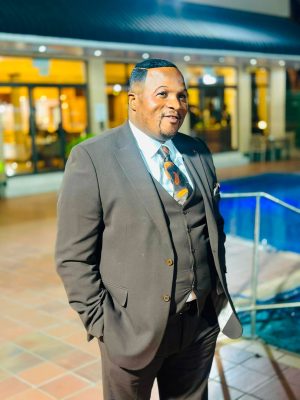
Destiny of Afrika Network (DANet) Founder and President Reverend Dr. Obedia Musindo has issued a strong call to action for Zimbabwe’s religious community, urging church leaders and congregants to abandon divisive rhetoric and unite behind a shared national vision.
Addressing the role of the church in national development, Rev. Dr. Musindo appealed directly to clergy across all denominations—including bishops, pastors, prophets, apostles, and Bible schools—to foster unity and positive speech across the nation.
”This is high time that we agree as a nation in spirit and in mind to be united as a nation by one common destiny as a people,” Rev. Dr. Musindo said. “As Zimbabweans, we need to repent, to shun, to abandon negative politics, and to ban the gospel of negativity, the gospel of condemnation.”
The cleric expressed deep concern over the influence of negative messaging on Zimbabwe’s youth, particularly on digital platforms. He warned that encouraging citizens to speak ill of their homeland erodes foundational cultural and moral values.
”All Christian leaders must understand that we are raising a very dangerous generation of young people on social media who are good at cursing their country and leaders, even their parents, against our morals,” he stated, describing such behavior as self-destructive to the very communities churches aim to uplift. “We call it sabotaging the works that are supposed to benefit your congregants. You want to rock the boat; hence, you’re inside that boat.”
Highlighting the contradiction between pessimistic rhetoric and the desire for economic prosperity, Rev. Dr. Musindo urged citizens, job seekers, and entrepreneurs to align their words with their aspirations for growth.
”Let’s stop cursing your country, but you’re expecting employment in that country, and you’re a businessman, but you’re expecting business growth and business to thrive in that country,” he emphasized.
Calling for a “collective shift” in national discourse, the clergyman encouraged Zimbabweans to speak constructively about their economy, security services, and political leadership, including the Head of State.
”We need to change our language as a country from being negative to positive—to speak positively about our President and his leaders, to our country as well, and to speak good things about our economy,” Rev. Dr. Musindo concluded. “If we continue to speak good things to our security leaders, political leaders, and our President, our country will go a long way.”